
Knowing how to reuse Binchotan charcoal is a fantastic way to give your old grill fuel or water filters an eco-friendly second life in the garden. Instead of throwing away your used charcoal, you can easily repurpose it to improve soil health, retain moisture, and help your plants thrive naturally.
Hidden Value Of Used Binchotan
Binchotan, traditionally crafted Japanese white charcoal, is celebrated worldwide for its extraordinary purity, high carbon content, and dense structural integrity. Thanks to the extremely high temperatures used during the Binchotan manufacturing process, these spent pieces retain their mineral-rich matrix and vast internal surface area long after their initial use. Understanding how to reuse Binchotan charcoal remnants prevents unnecessary household waste while unlocking a completely free, highly effective amendment for your home garden.
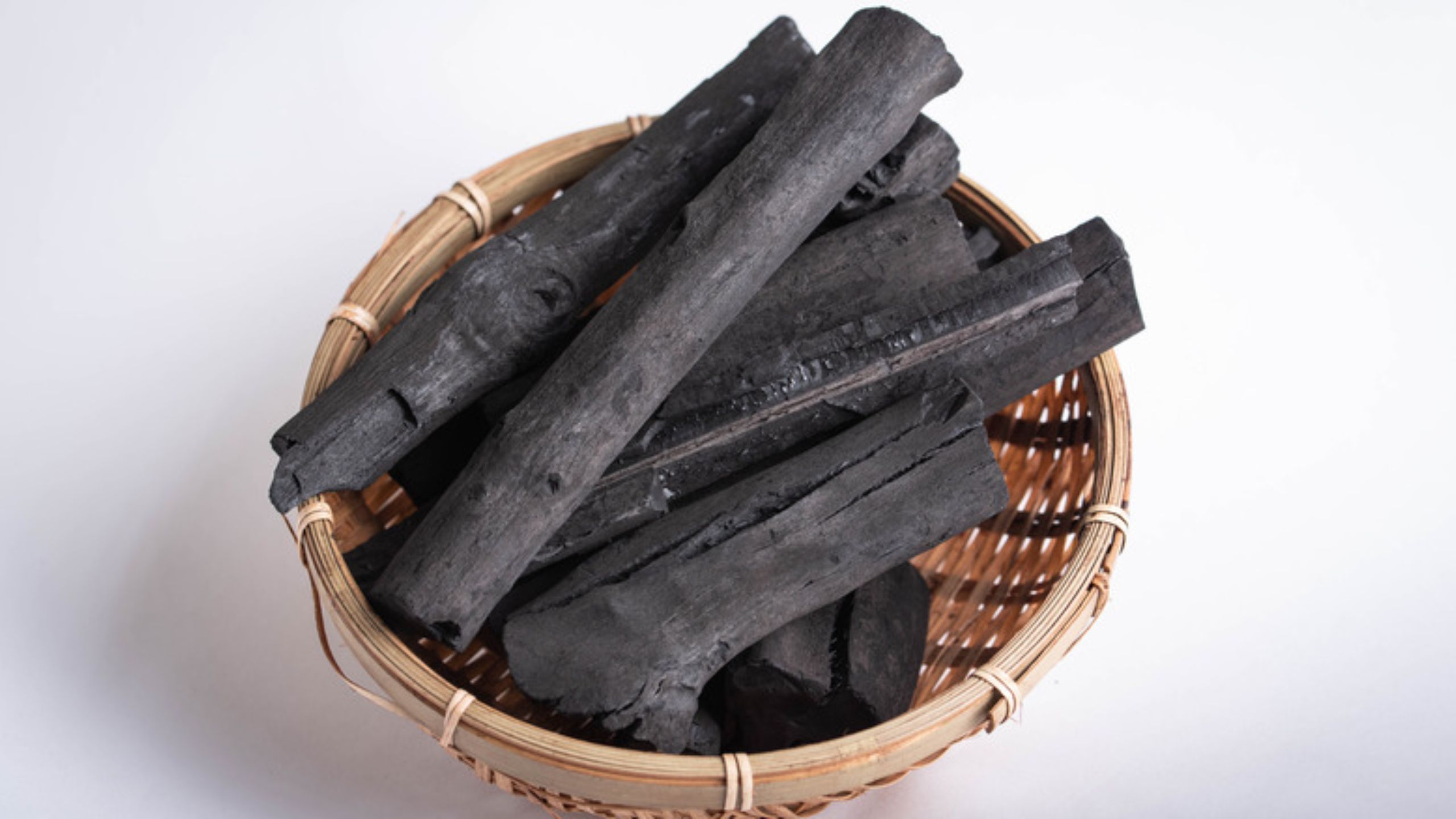
Benefits As A Binchotan Soil Conditioner
Repurposing spent pieces creates an exceptional Binchotan soil conditioner for your garden. Here are the main reasons this material improves soil health so effectively.
Holding Moisture And Reducing Watering
The microscopic cavities within white charcoal act like tiny natural sponges that capture rain or irrigation water and release it slowly back to plant roots during dry spells. This unique structure prevents rapid evaporation, keeps soil consistently moist without overwatering, and drastically reduces the overall watering frequency needed for thirsty houseplants and vegetables.
Balancing Soil Ph For Better Plant Growth
Naturally sweetening acidic potting mixes, the high calcium and potassium content in white charcoal helps neutralize overly sour garden soil over time. By elevating soil pH levels toward an optimal neutral range, it increases general nutrient availability so plant root systems can absorb essential minerals far more efficiently.
Trapping Key Plant Nutrients In Soil
The infinite internal surface area offers a safe haven for beneficial mycorrhizal fungi and nitrogen-fixing bacteria to colonize and flourish safely away from heavy rain washouts. Additionally, it binds positively charged plant nutrients like magnesium and ammonium, holding them securely in place until root hairs actively pull them in.
How To Reuse Binchotan Charcoal: Processing Old Sticks
Proper preparation ensures your garden reaps maximum benefits safely. Follow these quick steps on how to reuse Binchotan charcoal sticks effectively for your plants.
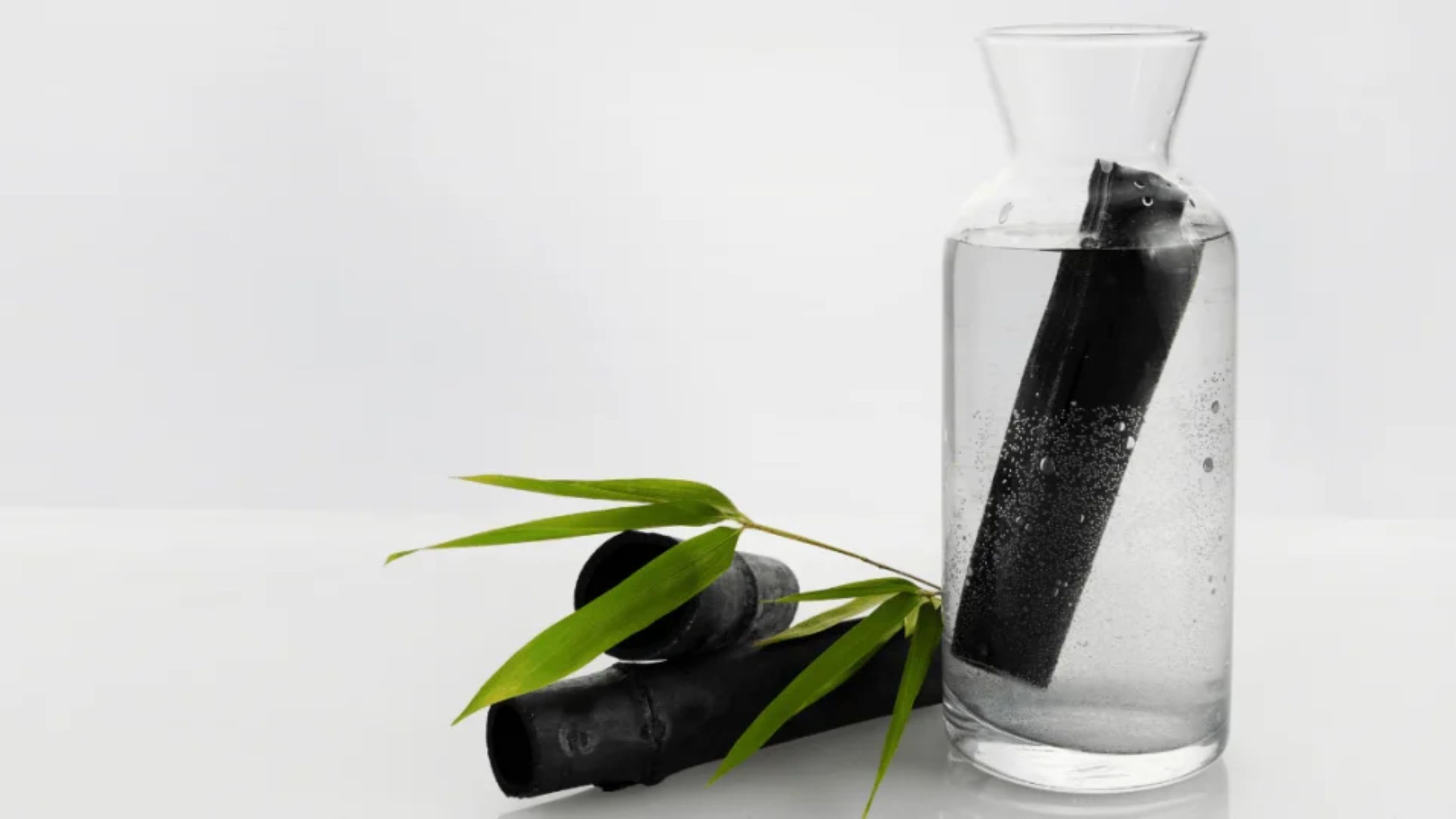
Cleaning Ash And Salt Residues
Always submerge spent sticks in a bucket of clear, fresh water for several hours to thoroughly dissolve residual cooking salts, food fats, or fine surface ash accumulated during grilling. Swirl the pieces around, scrub off sticky dirt with a soft brush, and dump the rinse water far away from delicate garden beds to keep sodium levels low.
Drying And Crushing To Proper Sizes
Leave the washed sticks under direct, hot sunlight for two full days until completely bone-dry throughout their inner cores. Place the dry sticks inside a thick burlap sack or canvas bag and pound them firmly with a hammer until you achieve coarse, pea-sized gravel chunks rather than fine powdery dust.
Safety Tips During Crushing
Always wear a tight-fitting dust mask and protective safety goggles whenever you break down hard, carbonized wood materials outdoors in a well-ventilated space. Fine airborne dust particles irritate lungs and eyes quickly, so crushing inside a sealed heavy-duty bag minimizes mess while keeping your breathing zone clear.
How To Apply Binchotan In Soil
Applying processed charcoal chunks to your soil setup is quick and straightforward once you know how to reuse Binchotan charcoal properly. Choose the right method below based on your specific plant care needs.
Step 1: Mixing With Potting Soil For Container Plants
Blend your crushed, pea-sized charcoal chunks directly into fresh potting soil at a strict ratio of roughly ten percent charcoal to ninety percent soil mix. This balanced ratio aerates heavy indoor potting soils, prevents soil compaction, and keeps container-grown foliage green and lush year-round.
Step 2: Top-Dressing Outdoor Garden Beds
Scatter a thin, uniform layer of crushed charcoal chunks across exposed garden soil around established vegetable crops or ornamental shrubs before gently raking it into the top two inches. This protective top-dressing suppresses weed growth, buffers soil temperature fluctuations, and prevents heavy rains from washing away valuable topsoil nutrients.
Step 3: Layering At The Bottom Of Plant Pots For Drainage
Place a one-inch base layer of whole or coarsely broken charcoal sticks at the bottom of drainage-hole-less decorative planters before adding soil mix. This drainage layer collects excess water pooling at the base, keeps stagnant water sweet and clean, and protects sensitive lower roots from destructive root rot.
Mistakes When Reusing Binchotan
While charcoal greatly improves plant growth, mistakes can easily shock delicate roots. Keep these crucial pitfalls in mind when discovering how to reuse Binchotan charcoal in your garden.
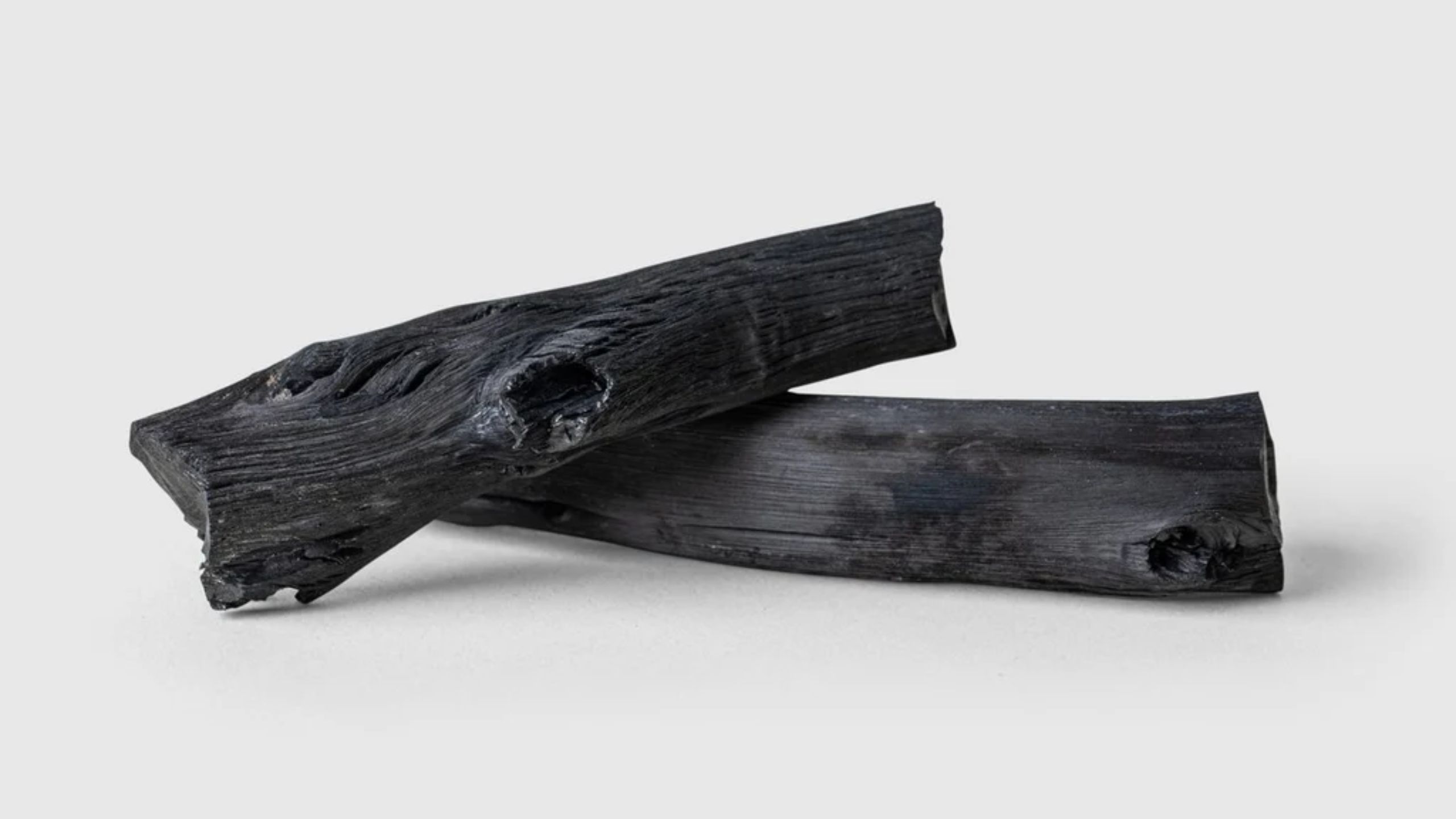
Using Unwashed Or Chemical-Treated Charcoal
Never introduce unwashed barbecue sticks covered in salty marinades, meat fats, or commercial lighter fluid accelerants into your garden soil. Chemical residues poison beneficial soil microbes, while oily food fats attract unwanted rodent pests and create foul odors right around your plant bases.
Over-Applying Charcoal In Acid-Loving Soil
Avoid adding heavy amounts of alkaline charcoal around acid-loving plant species like blueberries, azaleas, camellias, or hydrangeas that require low pH environments. Excessive charcoal applications lock up iron and manganese in acidic soils, turning tender green leaves yellow and stunt growing shoots.
Crushing Charcoal Into Fine Dust
Refrain from pulverizing your spent sticks into an ultra-fine, powdery soot consistency when preparing your soil amendments. Fine powder clogs natural soil pores, forms an impenetrable crust when wet, and suffocates beneficial root systems instead of promoting healthy aeration.
Indoor Uses Before Garden Application
Whole sticks can perform several useful household tasks indoors before being crushed for outdoor soil. Learning how to reuse Binchotan charcoal indoors first allows you to maximize its utility before moving it to the garden.
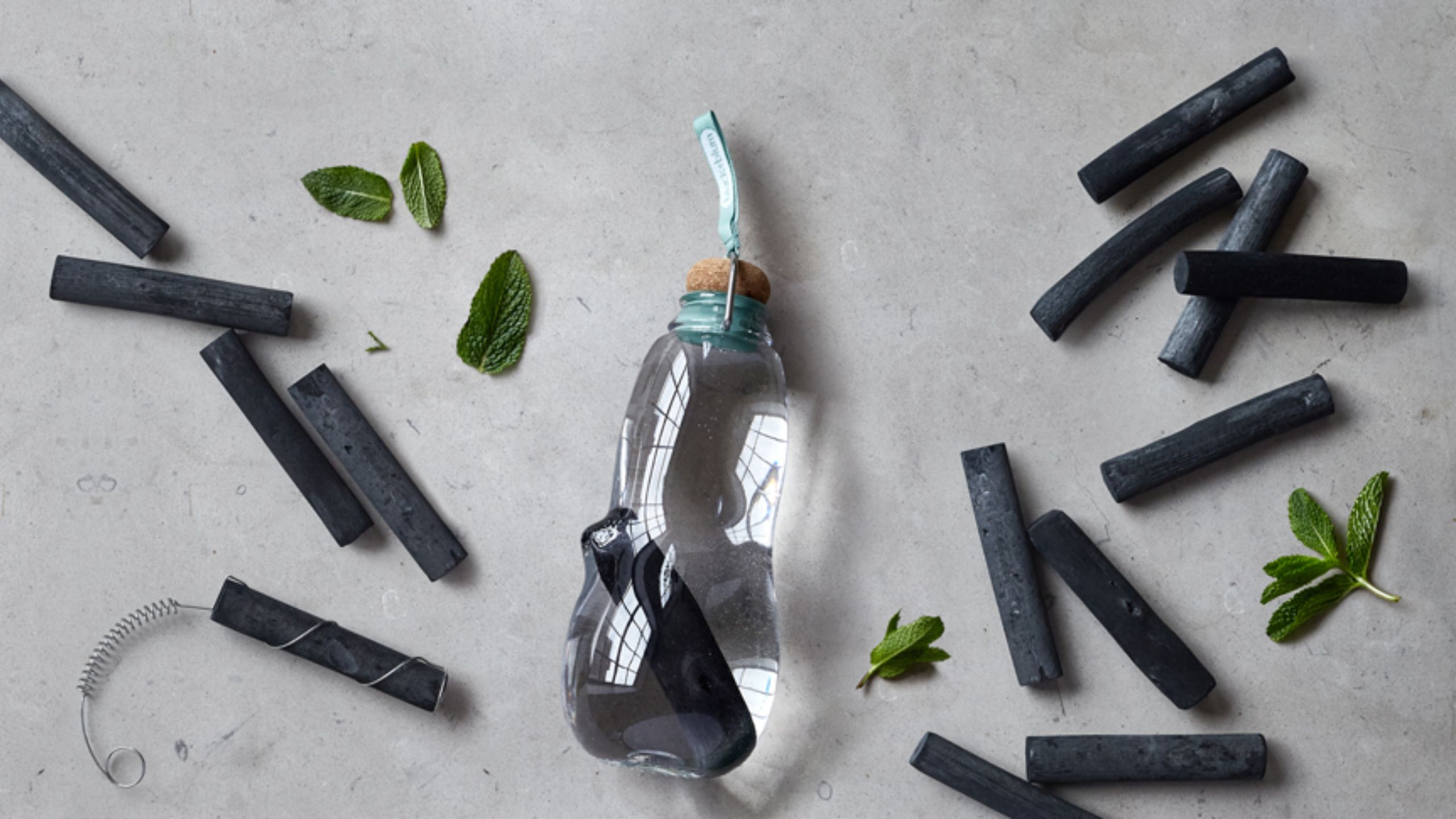
Freshening Indoor Air And Removing Odors
Place clean, completely dry whole sticks in open decorative wooden bowls inside stink-prone zones like kitchens, bathrooms, or near pet litter areas. The porous charcoal continuously traps volatile organic compounds and neutralizes unpleasant airborne odors completely naturally without artificial chemical sprays.
Absorbing Moisture In Shoes And Closets
Tuck dry sticks inside enclosed wardrobes, damp basements, or directly into smelly athletic shoes to pull excess ambient moisture out of humid air. By regulating humidity levels effectively, it prevents toxic mold, mildew, and lingering foul odors from ruining expensive leather goods and fabrics.
Conclusion
Mastering how to reuse Binchotan charcoal is a simple and sustainable way to reduce waste while improving soil health and supporting vibrant plant growth. Whether you are enriching household potting soil or managing garden beds, knowing how to reuse Binchotan charcoal ensures every stick delivers maximum long-term value.
Partner with Lamian Global for factory-direct FOB/CIF pricing and reliable bulk charcoal supply. Contact our B2B Export Team today to request your sample kit.
- Company: Lamian Global
- Headquarters: 47 Street 36, Van Phuc Residential Area, Hiep Binh Ward, Ho Chi Minh City, Vietnam, 700000
- Hotline / WhatsApp / Commercial Line: +84 812 036 789
- Email: contact.charcoal@lamianglobal.com
- Website: https://lamiancharcoal.com/