
Burning Charcoal Indoors: Dangers and Safety Precautions is an important topic for anyone using charcoal in enclosed spaces, as improper ventilation can lead to carbon monoxide buildup, respiratory hazards, and serious fire risks.
Understanding the dangers of burning charcoal indoors and strictly following carbon monoxide safety protocols are essential for protecting your home and family. This comprehensive safety guide details toxic gas formation, health symptoms, strict prevention rules, and emergency response protocols to avoid fatal incidents.
Understanding the Science Behind Indoor CO Accumulation
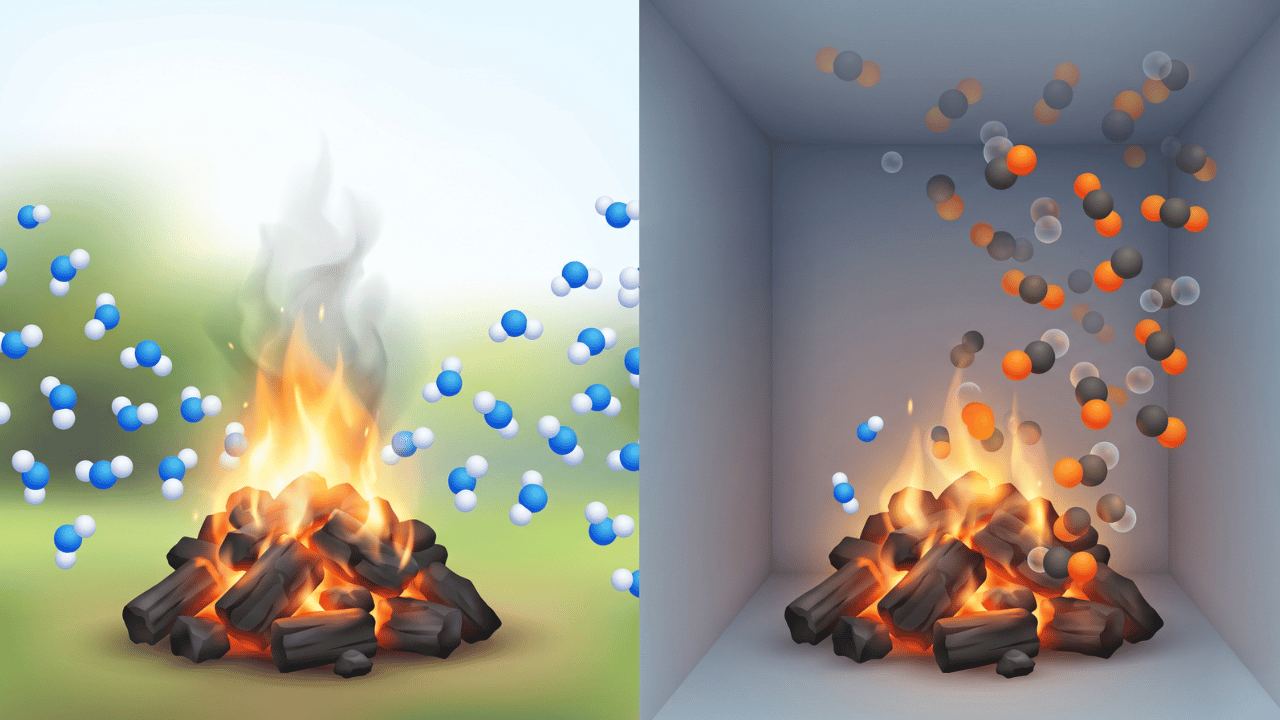
Burning charcoal indoors consumes substantial atmospheric oxygen to maintain heat generation and combustion. In outdoor environments, complete combustion yields mostly harmless carbon dioxide gas and water vapor. However, burning charcoal indoors in restricted spaces rapidly depletes ambient oxygen levels, leading directly to incomplete combustion. This process releases massive concentrations of lethal carbon monoxide gas into enclosed rooms, creating a toxic atmosphere within a very short timeframe.
The primary hazard associated with burning charcoal indoors stems from carbon monoxide’s stealthy physical properties. Unlike standard wood smoke, toxic carbon monoxide does not cause immediate coughing or throat burning to alert occupants. Relying on human senses to detect gas accumulation when burning charcoal indoors is completely impossible due to these distinct factors:
- Colorless: Entirely invisible appearance in the air.
- Odorless & Tasteless: Complete lack of smell or taste.
- Non-irritating: Absence of throat, eye, or nasal irritation.
The Ventilation Myth: Opening a window or using an electric fan while burning charcoal indoors does not create a safe breathing environment. Household fans merely circulate static ambient air without creating the powerful air exchange needed to flush out dense CO gas. Toxic fumes generated by burning charcoal indoors spread evenly and rapidly across living spaces, easily overcoming passive airflow and entering adjacent bedrooms.
Recognizing Symptoms of Carbon Monoxide Poisoning
Carbon monoxide poisoning resulting from burning charcoal indoors is difficult to detect early because initial symptoms closely resemble common viral infections or routine physical exhaustion. When inhaled, CO binds to hemoglobin in human blood over 200 times more strongly than oxygen, forming carboxyhemoglobin and blocking vital oxygen transport. Anyone exposed while burning charcoal indoors experiences rapid systemic oxygen starvation, affecting brain function and cardiac tissue. Prompt recognition of these warning indicators can prevent long-term neurological injury or death.
Because these symptoms develop without respiratory irritation, victims often mistake early exposure for tiredness:
- Early Warning Signs: Dull tension headaches, dizziness, unexplained nausea or stomach upset, general physical weakness, and cognitive confusion.
- Severe & Life-Threatening Effects: As tissue hypoxia deprives vital organs of oxygen, symptoms escalate into acute disorientation, loss of muscular coordination, and chest pain. Prolonged exposure quickly leads to loss of consciousness, seizures, permanent brain damage, and fatal asphyxiation.
- High-Risk Populations: Young children, infants, pregnant women, and elderly adults with existing heart or respiratory conditions face significantly elevated risks and absorb CO much more rapidly.
Essential Charcoal Carbon Monoxide Safety Rules
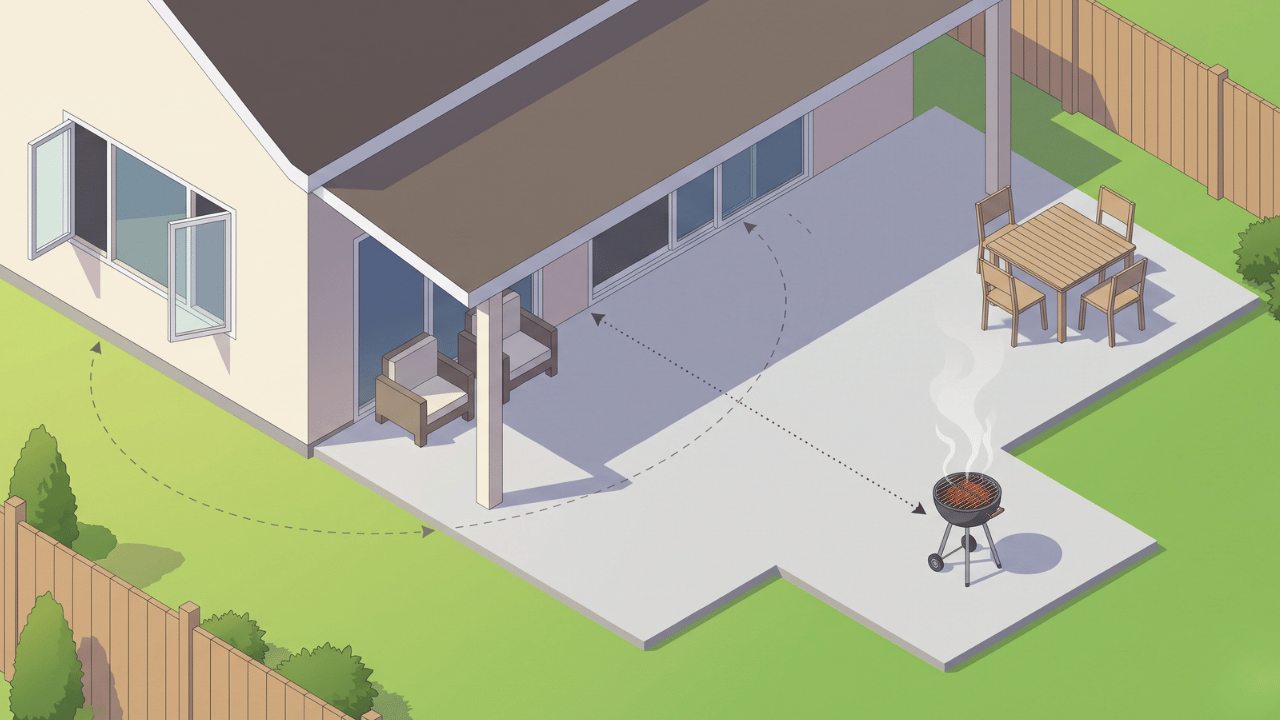
The baseline standard for charcoal usage is straightforward and strictly non-negotiable across all settings. Burning charcoal indoors, under covered patios, or inside any enclosed building structure must be completely prohibited at all times. Enclosed residential spaces trap toxic exhaust rapidly, creating high-risk environments within minutes. Understanding that burning charcoal indoors is unsafe under any circumstances protects households from preventable disasters.
To ensure safety, charcoal grilling and heating must take place entirely outdoors in open locations with unobstructed natural airflow. This applies to all Black Charcoal varieties used for outdoor grilling and heating. Follow these operating guidelines:
- Safe Placement: Position grills at least 10 feet away from exterior wooden decks, building walls, open windows, and roof overhangs.
- Proper Base: Always operate grilling equipment on non-combustible surfaces like concrete or brick.
- Wind Direction: Ensure prevailing winds blow smoke safely away from living areas. When using products such as Mangrove Charcoal for BBQ, always follow outdoor combustion and ventilation guidelines.
- Proper Disposal: Smoldering embers continue producing dangerous CO gas for hours. Extinguish coals completely with water and store the cooled ash outdoors in sealed metal containers. Never store warm charcoal ash or used grilling equipment inside an enclosed space.
Protective Measures & Emergency Actions
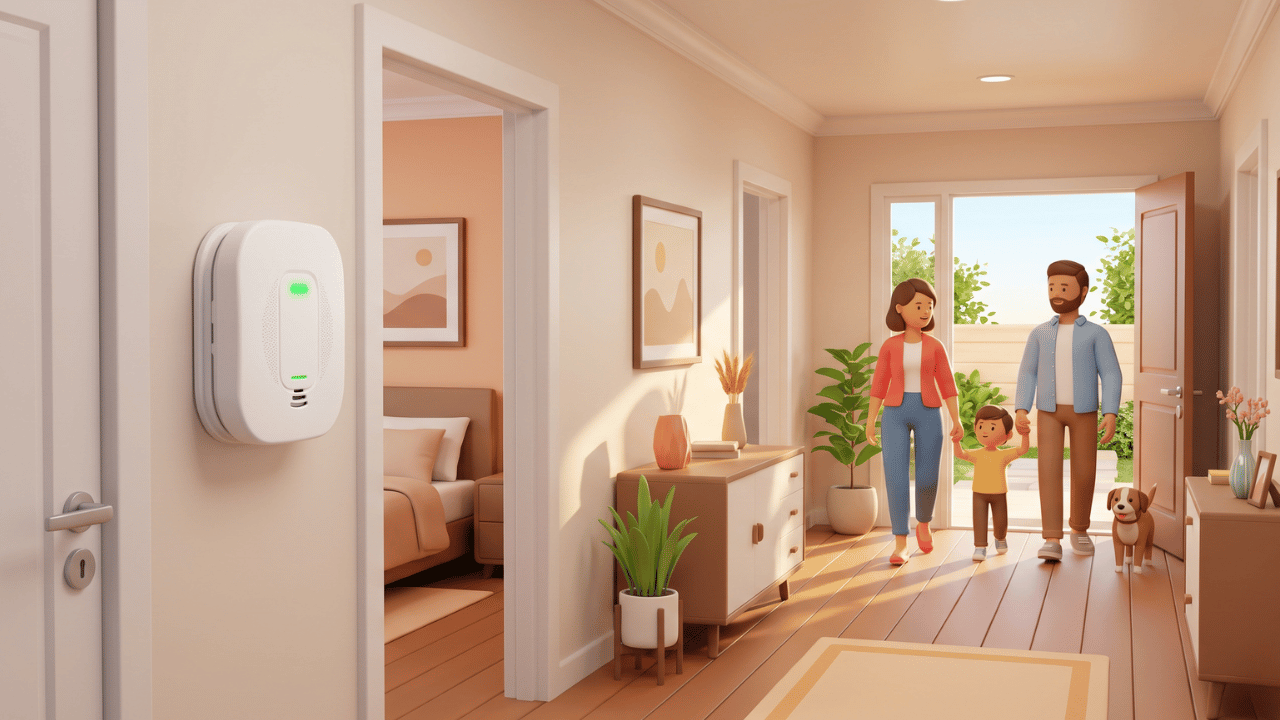
Installing certified carbon monoxide detectors provides an essential line of defense against gas accumulation caused by burning charcoal indoors or equipment failures. CO detectors should be installed on every level of a dwelling, particularly outside sleeping areas and near attached garage entry points. Maintaining these devices through regular testing and battery replacement ensures continuous protection for all residents.
For outdoor grilling applications, explore White Charcoal while following the same essential precautions against carbon monoxide exposure. Combining detector installation with a complete ban on burning charcoal indoors guarantees maximum safety.
- Blackout & Winter Storm Safety: Power outages during freezing weather frequently lead to hazardous incidents of burning charcoal indoors for heating or cooking. Using charcoal appliances inside home spaces during electrical blackouts creates immediate health hazards. Households must prepare for winter storms using certified indoor heaters, thermal garments, and heavy bedding instead of burning charcoal indoors.
- Emergency Evacuation Protocol: If a carbon monoxide alarm sounds or occupants suspect gas buildup from burning charcoal indoors, immediately evacuate all occupants and pets into fresh outdoor air. Contact emergency medical personnel once outside and remain outdoors until first responders confirm the property is completely safe.
Conclusion
Burning charcoal indoors is an extremely hazardous practice that leads to severe carbon monoxide poisoning through incomplete combustion. Because CO gas is invisible and odorless, open windows or household fans cannot prevent toxic gas accumulation. Protecting your home requires strictly avoiding burning charcoal indoors, using grilling equipment exclusively in open outdoor spaces, maintaining operational CO alarms, and evacuating immediately if exposure is suspected.
Looking for quality charcoal for outdoor BBQ and commercial grilling? Explore our Eucalyptus White Charcoal products or contact Lamian Global with your required charcoal size, application, packaging needs, and estimated volume.
- Lamian Global
- Address: 47 Street 36, Van Phuc Residential Area, Hiep Binh Ward, Ho Chi Minh City, Vietnam, 700000
- Hotline / WhatsApp: +84 812 036 789
- Email: contact.charcoal@lamianglobal.com
- Website: lamiancharcoal.com