
BLACK CHARCOAL
BLACK CHARCOAL
BLACK CHARCOAL
BLACK CHARCOAL
BLACK CHARCOAL
BLACK CHARCOAL
BLACK CHARCOAL
BLACK CHARCOAL
BLACK CHARCOAL
BLACK CHARCOAL
BLACK CHARCOAL
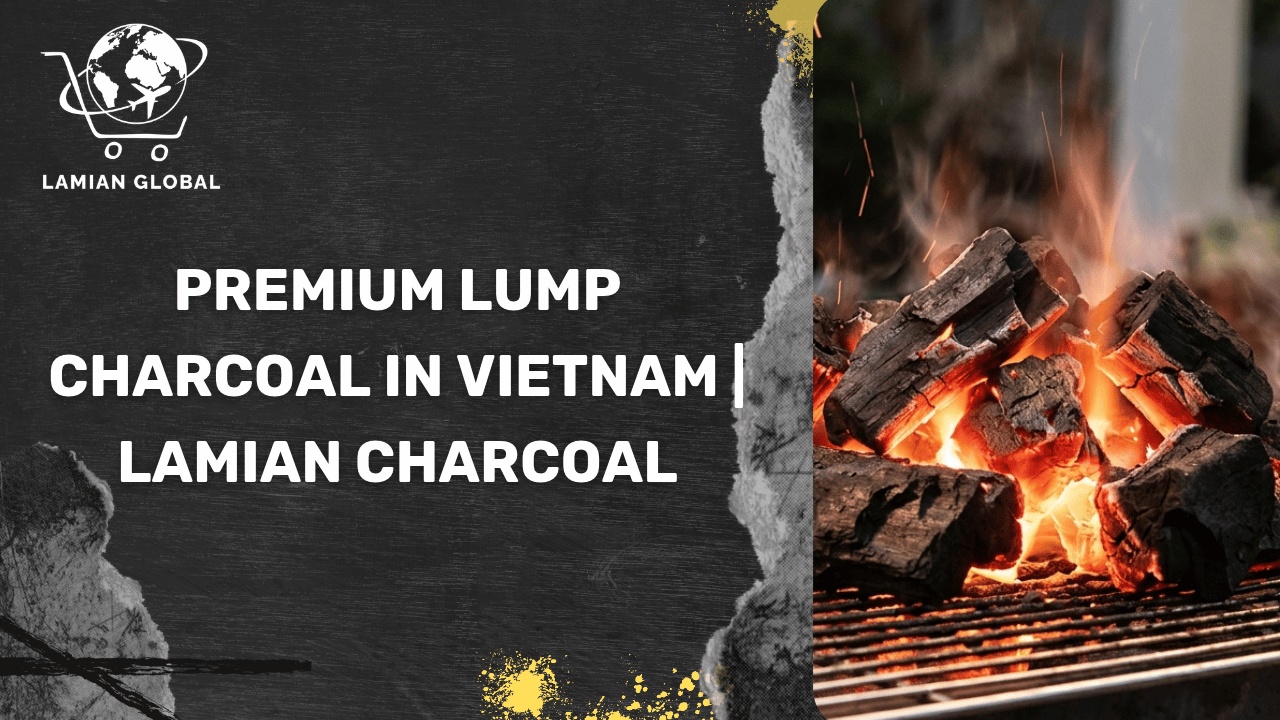
Premium Lump Charcoal In Vietnam | Lamian Global
Lump charcoal is the benchmark format for wholesale buyers who want pure wood fuel with nothing added, nothing pressed, and nothing hidden. This page explains what lump charcoal is, how it is made, what makes a premium grade, and how to source it wholesale from Vietnam.
Lamian Global supplies 100% natural hardwood lump charcoal (lumpwood charcoal) from vertically integrated production in Vietnam, to restaurants, distributors, and retail brands worldwide. The sections below are written as a working reference for B2B buyers evaluating format, species, and specification.
What Is Lump Charcoal? (Lumpwood Charcoal Defined)
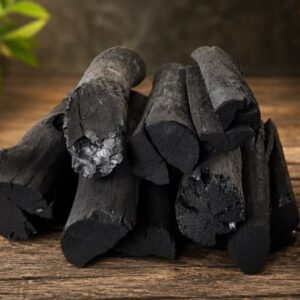
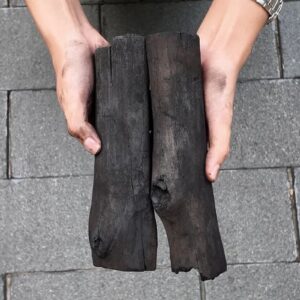
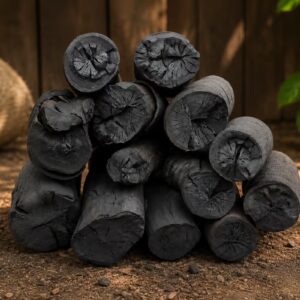
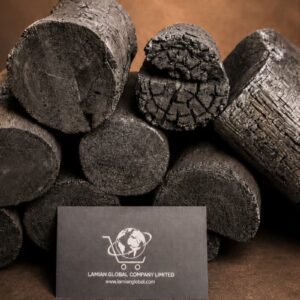
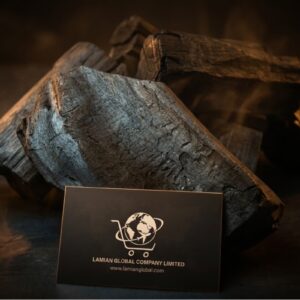
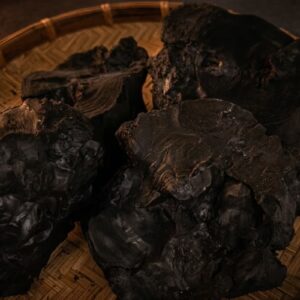
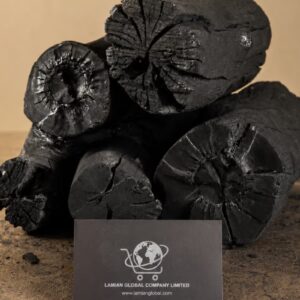
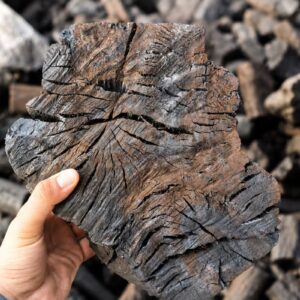
Lump charcoal is carbonised wood burned directly from branches, logs, or split pieces, with no grinding, no extrusion, and no binder. The result is a bag of irregular natural chunks, each one a piece of the original wood that has been pyrolysed in a low-oxygen kiln.
The terms “lump charcoal” and “lumpwood charcoal” refer to the same product and are used interchangeably across markets. “Lumpwood” is common in UK and European trade, while “lump charcoal” is the standard term in the US and most global BBQ supply chains. Importers should treat the two as synonyms when comparing offers, because the distinction is linguistic rather than technical.
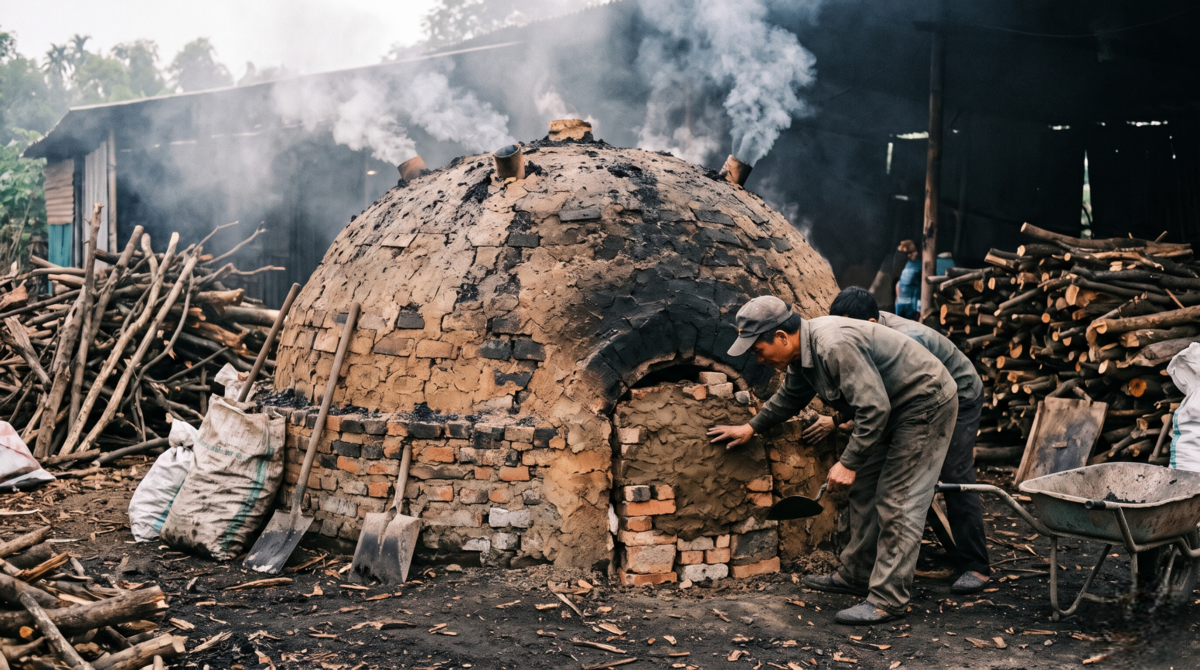
How Lump Charcoal Is Made
Lump charcoal production is a straightforward process in principle and a demanding one in practice. Wood is selected and dried, stacked carefully in a kiln to control airflow, and carbonised over a period of days, then cooled slowly to prevent the pieces from cracking or re-igniting.
The quality difference between good and poor lump charcoal is decided in three places: the wood input, the kiln temperature curve, and the cooling method. Wet or mixed scrap wood produces high ash and erratic burn. Uneven kiln temperature leaves volatile compounds that create acrid smoke. Fast cooling shatters pieces into fines. Our guide to how charcoal is made covers the process in more detail.
Key Characteristics of Premium Lump Charcoal
A premium lump product can be recognised before it ever reaches a grill. The traits below separate a properly made natural hardwood lump from a low-grade or blended alternative, and they hold across species.
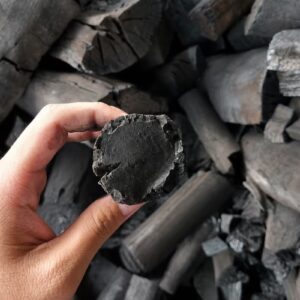
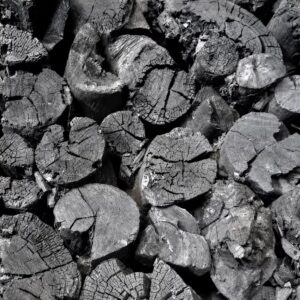
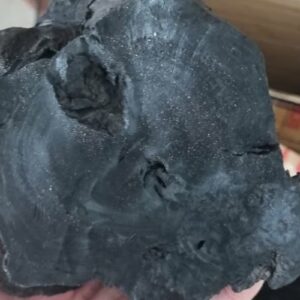
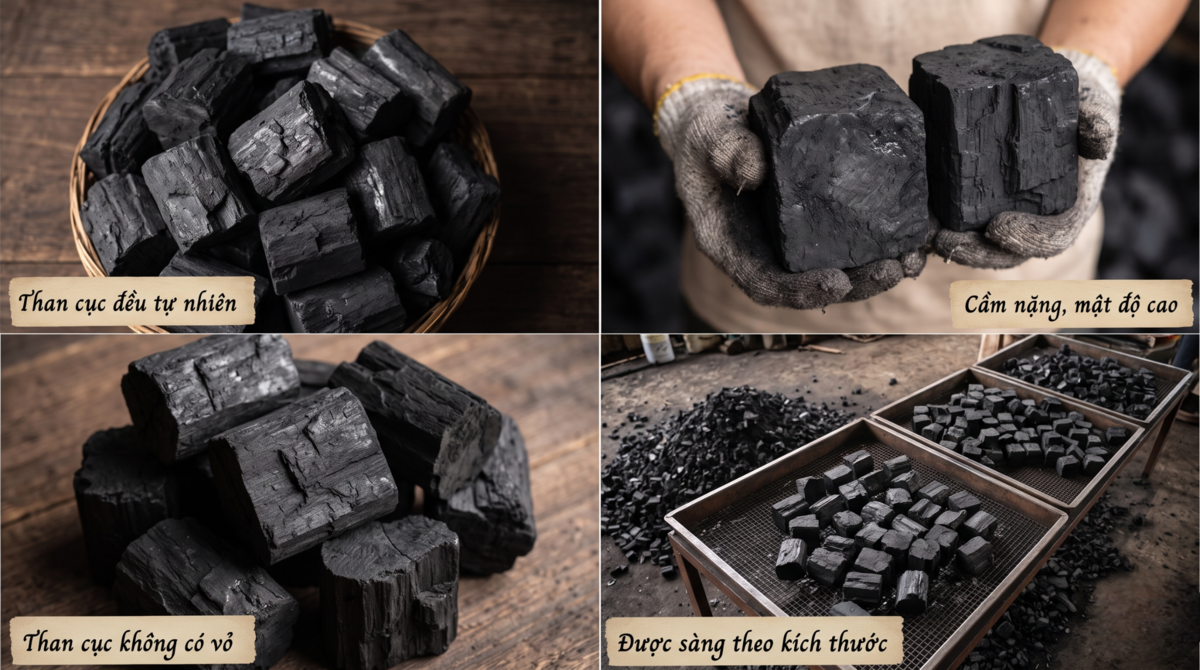
Irregular, natural pieces. Real lump charcoal varies in size and shape because it comes from real wood. Perfectly uniform chunks are a warning sign of reconstituted or blended products.
High density and long burn time. Dense hardwood carbonises into hard, heavy pieces that hold heat for hours. Low-density feedstock burns fast and leaves more ash per kilogram.
Pure wood, zero additives. No starch, no sodium nitrate, no chemical accelerants. This matters for food safety and for the clean smoke profile that chefs rely on.
Controlled bark content. Bark is the main source of sparks and flying embers. Premium grades screen bark out to keep flare-up manageable on open grills, a subject covered in our sparks and bark content guide.
Consistent screen size. Restaurant grade and retail grade are different size bands, and mixing them creates problems at both ends of the supply chain. Details are in our lump charcoal screen sizing guide.
Common Wood Species for Lump Charcoal in Vietnam
Species choice drives density, aroma, and burn behaviour, and Vietnam offers unusual breadth in a single origin. Wholesale buyers can source single-species lots or blended programmes from the same supplier.
Acacia is the cost-effective volume option for supermarkets and BBQ programmes. Longan delivers clean-scented density for rotisserie and direct grilling. Eucalyptus offers fast ignition and a high flame for budget grilling. Khaya provides a heavy hardwood character and long burn.
Coffee wood brings a distinctive aroma story for Middle East and EU buyers. Mangrove sets the benchmark for dense long-burning hardwood, and melaleuca delivers high fixed carbon with low volatile content. A full comparative overview is in our Vietnam hardwood charcoal species guide.
Lump Charcoal vs. Briquette Charcoal
Lump and briquette are both legitimate formats, and the right choice depends on cooking style, system design, and flavour priorities. Neither is universally better, but they behave very differently in service.
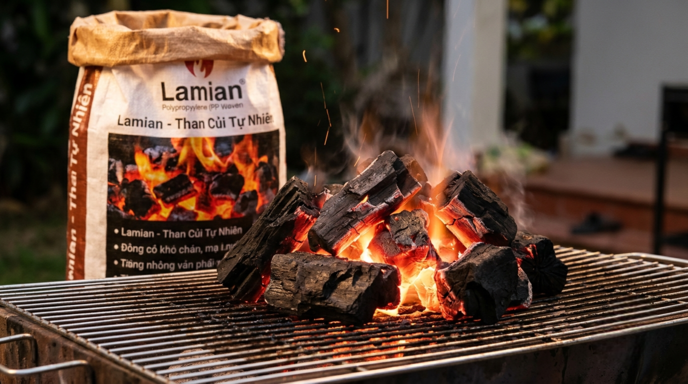
Lump charcoal ignites faster, burns hotter at peak, and delivers a clean species-specific aroma. Briquettes burn longer and more uniformly, and suit fixed-geometry grill systems such as Korean and Japanese table grills. A detailed comparison is available in Lumpwood Charcoal vs. Wood Briquettes, alongside our B2B guides on sawdust versus mangrove charcoal and sawdust versus coconut shell charcoal.
Lump Charcoal Sizing and Grades
Lump charcoal is sold in defined size bands, and matching the band to the application is a specification requirement rather than a preference. The wrong size creates airflow problems on one end and great fall-through on the other.
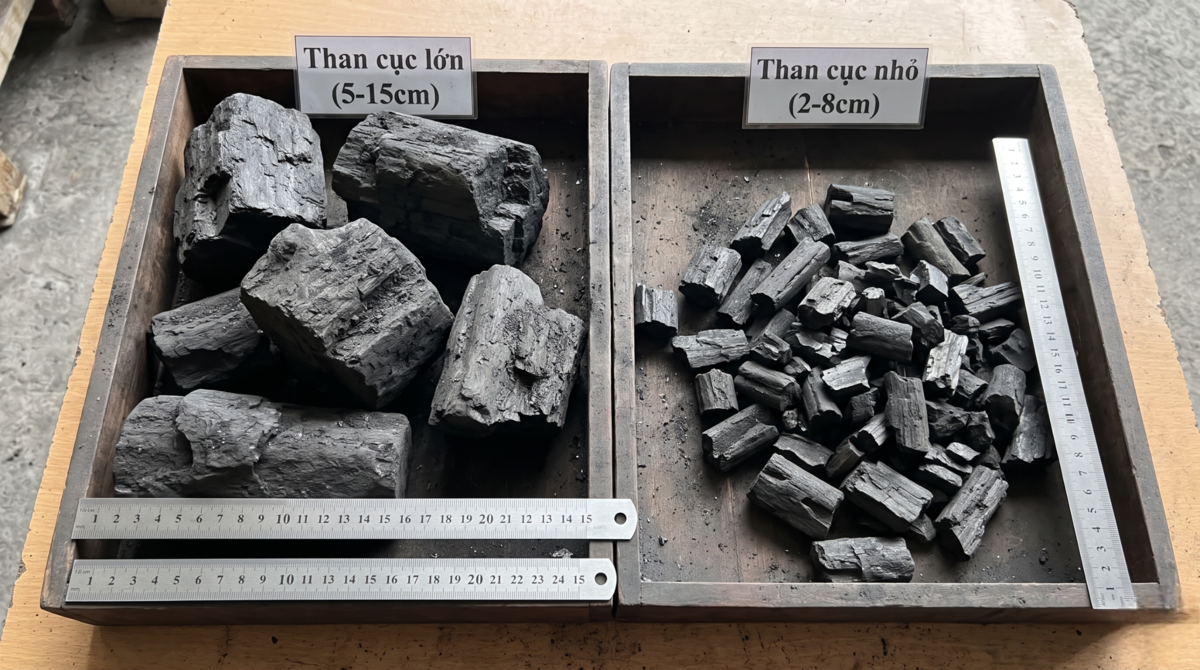
Restaurant grade typically runs 5 to 15 cm, sized for professional grills, kamado cookers, and offset smokers where sustained heat and airflow control matter. Retail pack grade runs 2 to 8 cm, sized for consumer bags and smaller grills where fast ignition and easy handling are priorities. Both grades should be screened for fines and oversized chunks before packing, and the full sizing logic is explained in our screen sizing guide.
Applications: Where Lump Charcoal Performs Best
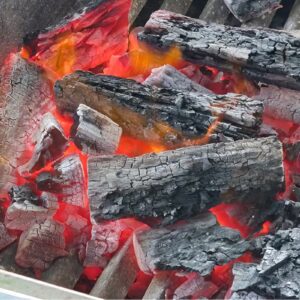
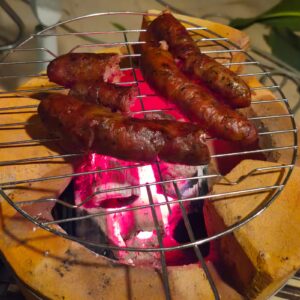
Lump charcoal is the default fuel for high-heat direct grilling, kamado cooking, and low-and-slow smoking, where natural draft and clean aroma matter more than fuel uniformity. It is also the preferred format for restaurant steakhouses and barbecue operations running open grills.
Kamado and ceramic cookers such as Big Green Egg and Kamado Joe are designed around lump in a specific size band, where airflow paths are narrow and piece size directly affects temperature control, as covered in our kamado and ceramic grill guide. Texas-style low-and-slow smoking relies on a steady coal bed and is addressed in Wood Charcoal vs. Firewood. Retail packing for supermarket programmes requires the smaller grade, screened and bagged to consumer expectations.
Quality Testing and Specifications
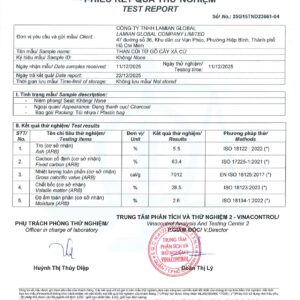
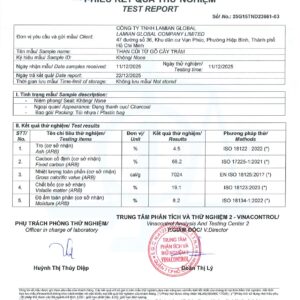
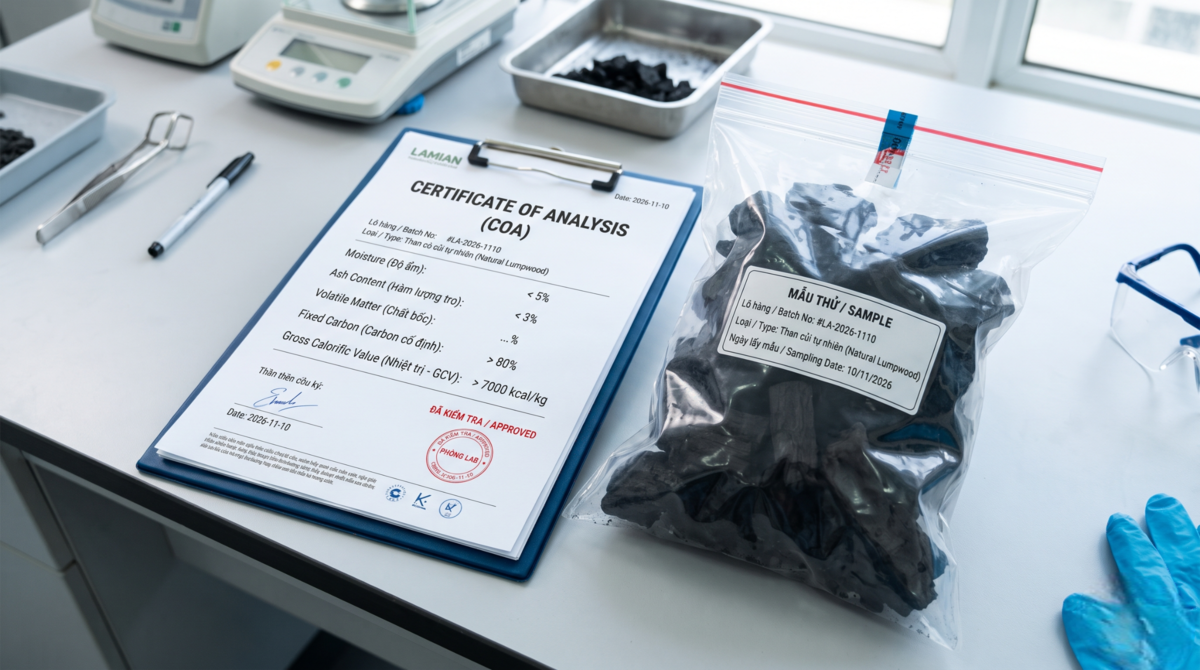
Every lump charcoal programme should be verified against a written specification and a lot-specific Certificate of Analysis. The key parameters are moisture, ash, fixed carbon, volatile matter, and gross calorific value, all tested under a stated method.
Good lump charcoal typically shows fixed carbon above 75%, moisture below 8%, and ash below 8%, with heating values above 27 to 29 MJ/kg achievable in well-made products. Procurement teams should also request a Self-Heating Test certificate, because charcoal is regulated as UN 1361, Class 4.2 for sea freight, and a valid SHT is a condition of loading for major carriers. How to read the lab figures is covered in our wood charcoal lab test report guide, and the shipping requirements are in our SHT and IMDG Code 4.2 guide.
Wholesale and Export from Vietnam
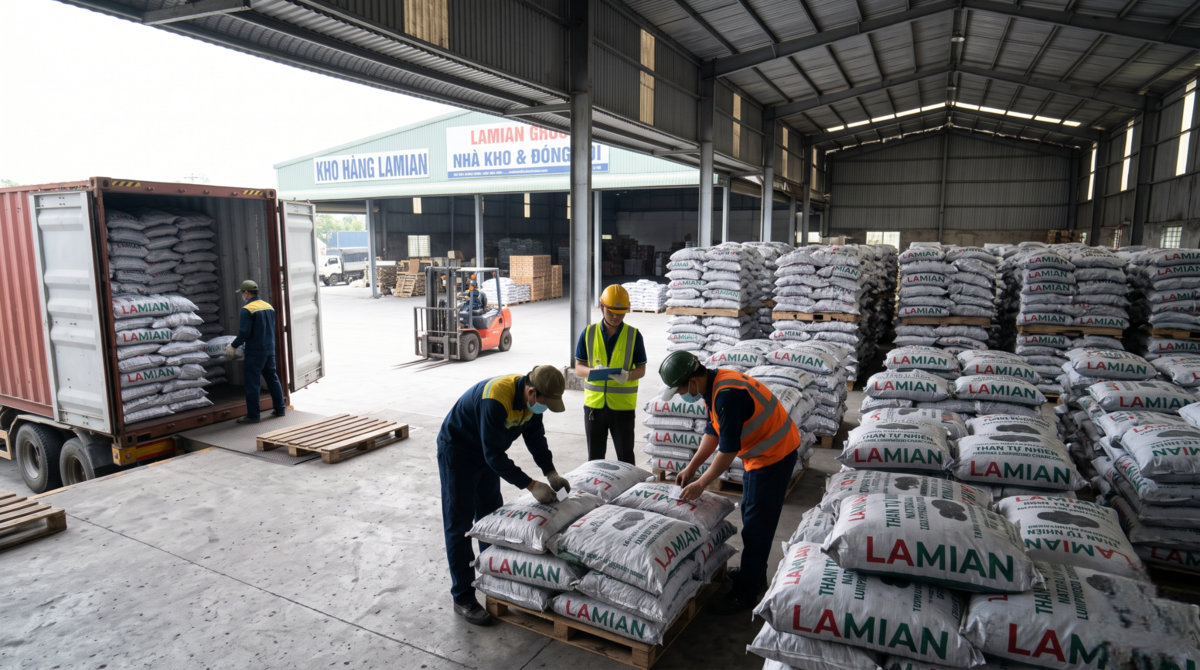
Lamian supplies lump charcoal to importers, restaurant groups, and retail brands, with sourcing, specification control, packaging, and shipping handled under one roof. Every order is produced against an agreed specification sheet and verified by lot-level COA before dispatch.
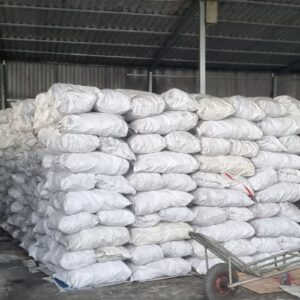
OEM and private label packaging is available across PP woven bags, kraft bags, and master cartons, covered in our packaging solutions guide. Container loading can be configured as bulk loose or palletised depending on destination handling, as explained in our container stuffing guide. The end-to-end export process is set out in sourcing wood charcoal from Vietnam.
Why Choose Lamian Lump Charcoal
Lamian combines Vietnamese species breadth with the specification discipline that commercial buyers need. Every lot is traceable to species and origin, verified by COA, and shipped with full export documentation including SHT certification and phytosanitary papers.
We supply single-species and blended programmes, both restaurant and retail grades, and full OEM packaging under buyer brands. Export compliance is built into the process rather than added later, so shipments clear customs and carrier checks without surprises.
Request a Wholesale Quotation
Send us your target species, grade, packaging preference, estimated volume, and destination port. Our export team will respond with a firm quotation and a lot-specific specification sheet.
Lamian Global Company Limited
- Hotline/Whatsapp: +84 812 036 789
- Email: contact.charcoal@lamianglobal.com
Read more: Specialty Charcoal Products Vietnam | Sawdust, Coconut Shell, Bamboo & Shisha Charcoal Manufacturer