Binchotan (white charcoal) consistently ranks among the most expensive charcoal types on the market. While regular black charcoal is far more affordable, professional kitchens and serious grillers continue to choose Binchotan for its superior performance.
This guide breaks down the real factors behind the Binchotan charcoal price – from raw materials and complex production to measurable performance advantages – and helps buyers understand when the premium is justified.
Current Market Price Comparison
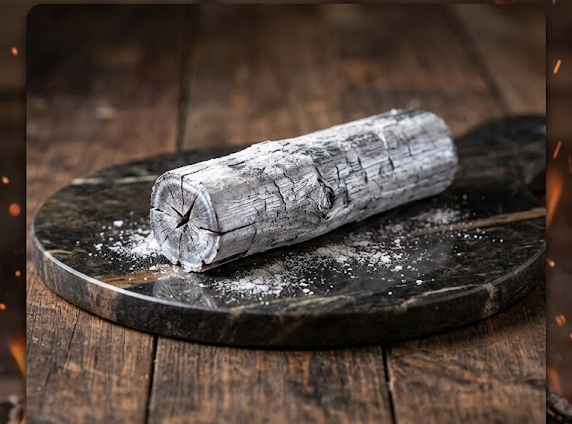
Understanding current market prices is the first step to evaluating whether the higher cost of Binchotan is justified. The figures below reflect typical wholesale and retail ranges and highlight the clear price gap between regular black charcoal and premium white charcoal.
| Charcoal Type | Typical Price Range | Notes |
|
Regular black charcoal (lump)
|
USD 650–850 per ton FOB | Standard grades |
|
High-quality Binchotan-style white charcoal
|
USD 1,350–1,650 per ton FOB |
Dense hardwood, good consistency
|
|
Authentic Japanese Kishu Binchotan
|
USD 15–40+ per kg |
Premium grade, limited supply
|
The price gap is substantial, but it reflects measurable differences in material, process and performance rather than simple branding.
Reason 1 – Dense Hardwood Raw Material
Authentic high-performance Binchotan starts with dense hardwood. Traditional Japanese production relies on slow-growing Ubamegashi oak (Quercus phillyraeoides), a species with exceptionally high density that takes decades to mature.
This limited natural supply, combined with strict sustainable harvesting practices, directly increases raw material cost. Even high-quality alternatives made from carefully selected dense hardwoods (such as certain eucalyptus or acacia species) still require denser, more expensive timber than the softer woods commonly used for regular black charcoal.
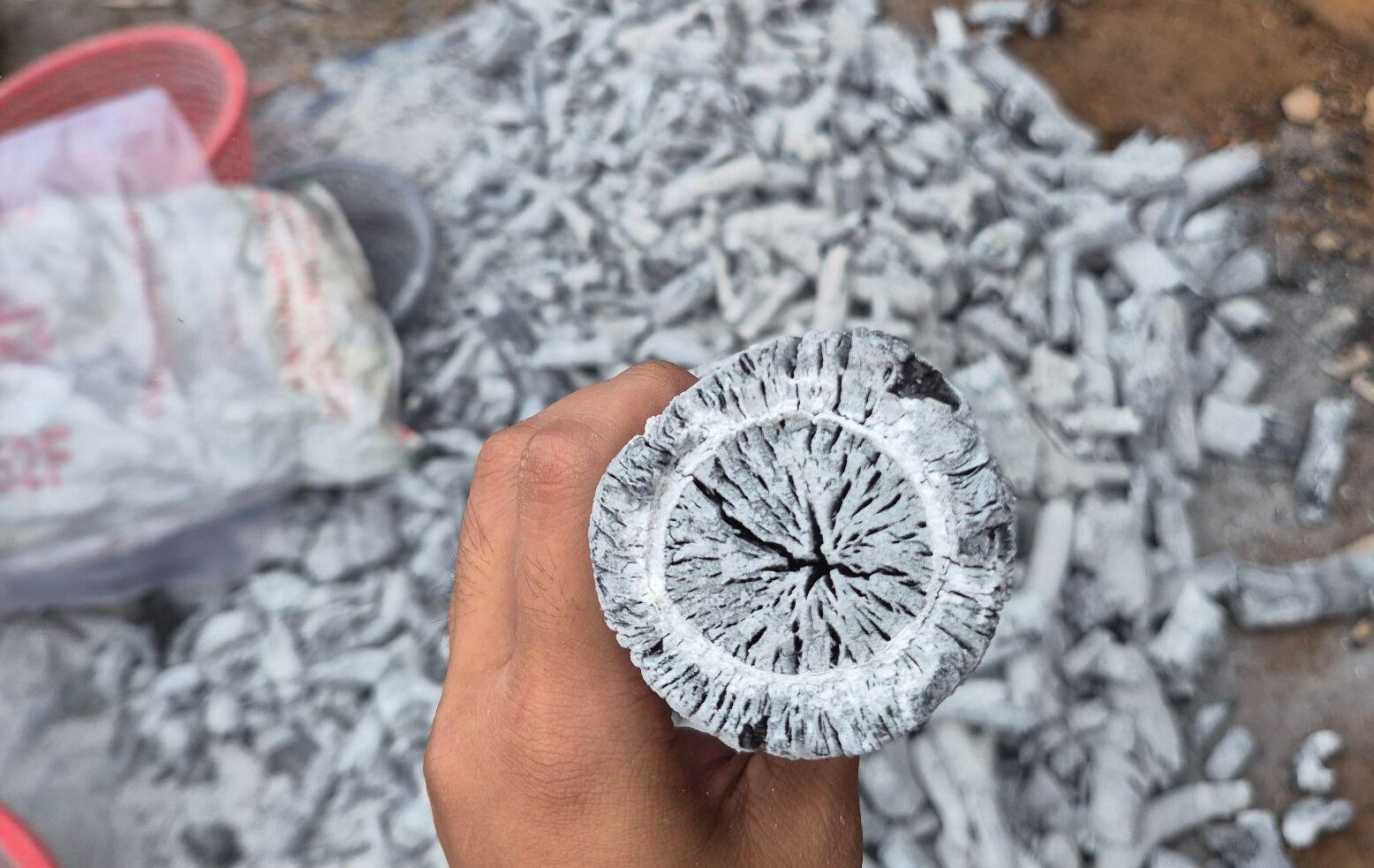
Higher wood density contributes to higher fixed carbon content, greater hardness and longer burn times in the final product.
Reason 2 – Complex High-Temperature Production Process
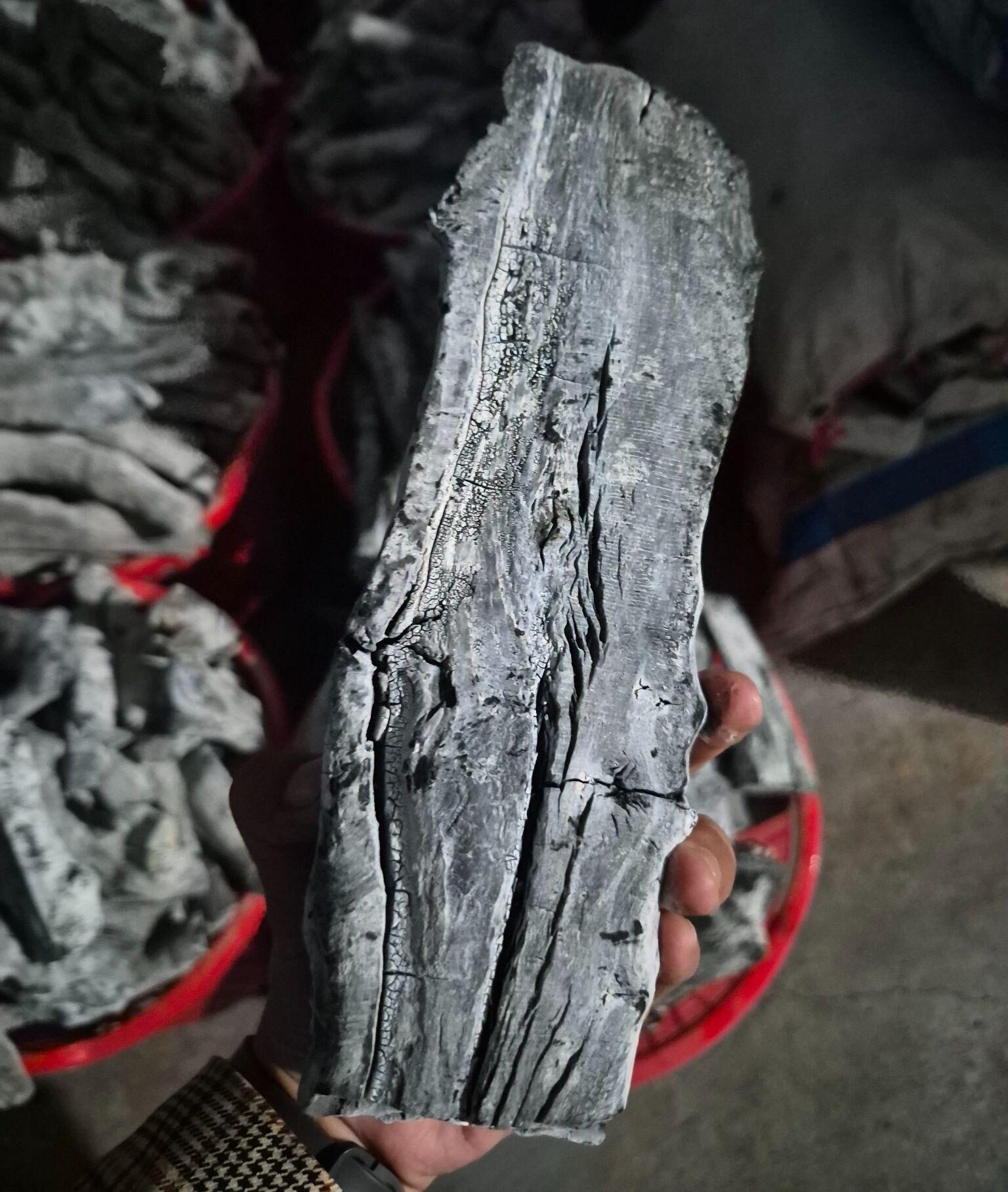
The production of high fixed-carbon Binchotan is far more demanding than ordinary charcoal making. Longer cycles, extreme temperatures and precise craftsmanship directly increase cost while creating the dense structure and clean performance that define premium white charcoal.
- Long carbonization cycle: Producing true high fixed-carbon white charcoal typically requires 10–20 days. Regular black charcoal is often completed in a much shorter time at lower temperatures.
- Peak temperatures of 1,000–1,300°C (sometimes higher in traditional Japanese kilns): The refining stage pushes the kiln to extreme heat to drive off remaining volatiles and create a dense carbon structure. This stage demands precise control and experienced operators.
- Rapid cooling method and skilled labor: After high-temperature treatment, the charcoal is removed while red-hot and rapidly cooled in a mixture of ash, sand and soil. This step creates the characteristic hardness and surface properties. The entire process has lower yield than conventional charcoal production and relies heavily on skilled craftsmanship.
These factors – longer time, higher energy input, lower recovery rate and specialized labor – significantly raise production cost.
Reason 3 – Superior Performance Characteristics
The higher price of Binchotan is also supported by measurable performance advantages:
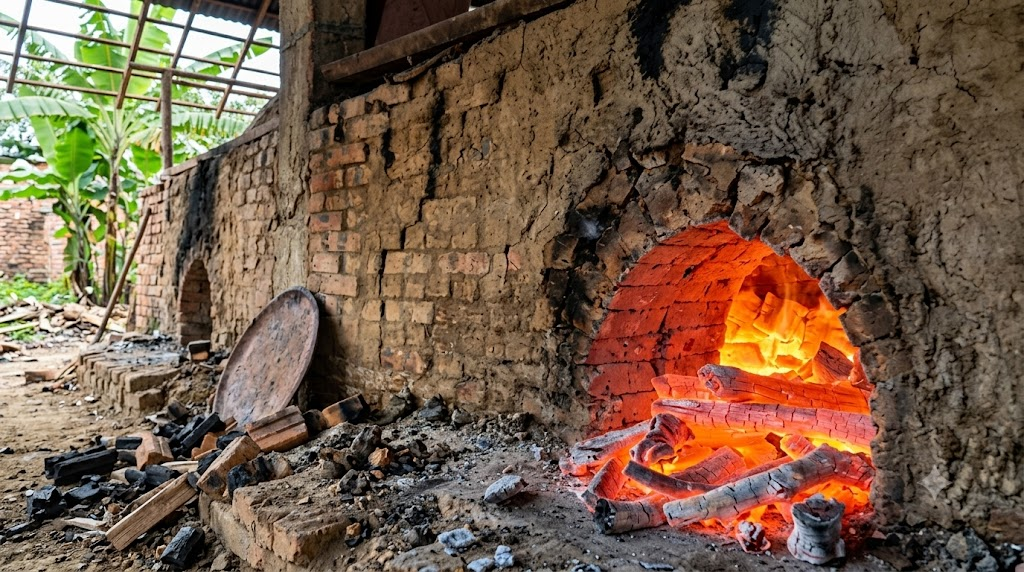
- Fixed carbon content commonly reaches 90% or higher (often 91–96% in premium grades).
- Burn time is typically 4–6 hours or longer under proper conditions, significantly exceeding most regular black charcoal.
- Extremely low smoke and low ash production preserve the pure flavor of food.
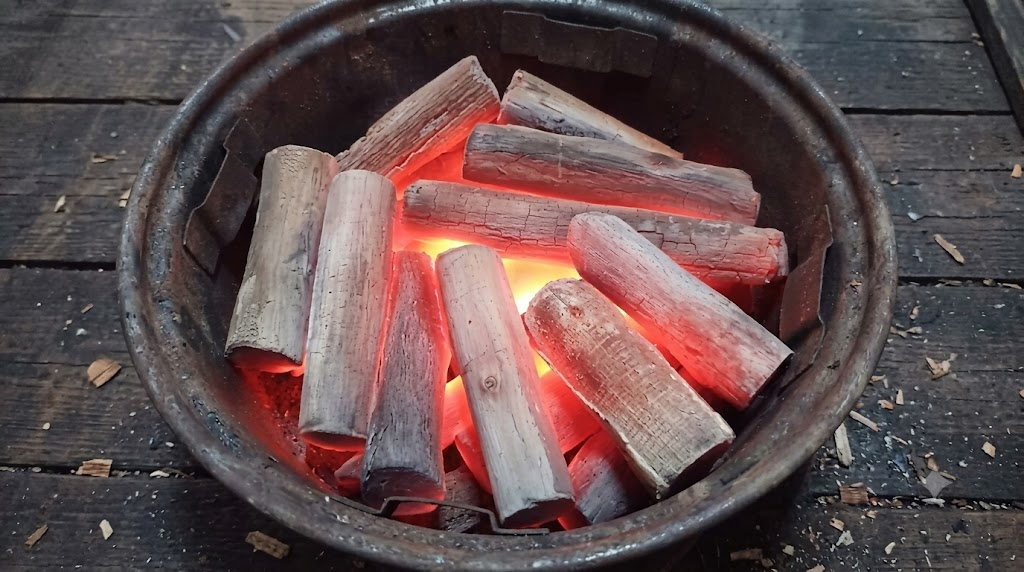
- Dense structure produces stable radiant heat and a characteristic metallic ring when struck.
These traits translate into more consistent cooking results, better heat control and reduced waste in professional settings.
Is Binchotan Worth the Higher Price?
When evaluated on a cost-per-hour-of-usable-heat basis, high-quality white charcoal often narrows the gap with regular charcoal. Longer burn time, greater stability and lower waste can offset the higher upfront price, especially in restaurants running continuous service.
Binchotan delivers clear value when:
- Precise temperature control and clean flavor are critical (yakitori, robata, premium proteins).
- Long service hours require stable heat with minimal intervention.
- Low smoke and pure taste are non-negotiable.
Regular black charcoal remains practical when:
- High volume and lower cost per session are the priority.
- Cooking styles are less sensitive to minor flavor or heat fluctuations.
How to Get the Best Value When Buying Binchotan
Focus on measurable quality indicators rather than origin alone:
- Fixed carbon content (target 90%+)
- Density, hardness and metallic ring
- Consistent burn time and low ash
- Transparent production information and batch reliability
Wholesale purchases of well-made dense-hardwood white charcoal often offer significantly better value than ultra-premium single-origin retail grades while still delivering the core performance advantages that justify the category’s higher price.
Conclusion: Binchotan Charcoal Price
Binchotan is significantly more expensive than regular charcoal because of denser raw materials, a long and skill-intensive high-temperature production process, lower yield and superior performance characteristics. The higher price reflects real differences in fixed carbon content, burn stability, cleanliness and reusability.
For professional kitchens that require consistent radiant heat and pure flavor, the premium is often justified by better results and lower overall waste. Understanding these cost drivers helps buyers choose the right grade of high fixed-carbon white charcoal for their needs and budget.
Ready to source high-value Binchotan at competitive wholesale prices?
Contact Lamian Charcoal for product specifications, samples and wholesale quotations of premium Binchotan.
- Email: contact.charcoal@lamianglobal.com
- WhatsApp / Hotline: +84 812 036 789
- Website: https://lamiancharcoal.com/