Understanding Binchotan export standards is essential for commercial suppliers and buyers looking to successfully import high-grade white charcoal into Japan and South Korea. These demanding East Asian markets enforce strict quality controls on physical performance and chemical purity to ensure consistent heat output, minimal smoke, and culinary excellence. In this comprehensive guide, we walk you through the precise Binchotan technical specifications, testing protocols, and export packaging requirements needed to ensure smooth customs clearance and strong market reputation.
Binchotan Demand In East Asia
East Asian markets, particularly upscale yakitori establishments in Japan and high-end BBQ restaurants in South Korea, generate massive demand for premium Binchotan due to its smokeless, odorless, and high-heat burning characteristics. Restaurant owners prioritize white charcoal because it releases far-infrared heat that locks in food flavors without imparting acrid chemical odors. However, because both countries maintain rigorous health, safety, and import regulations, suppliers must meet uncompromising Binchotan export standards to secure long-term commercial contracts.
Key Binchotan Technical Specifications
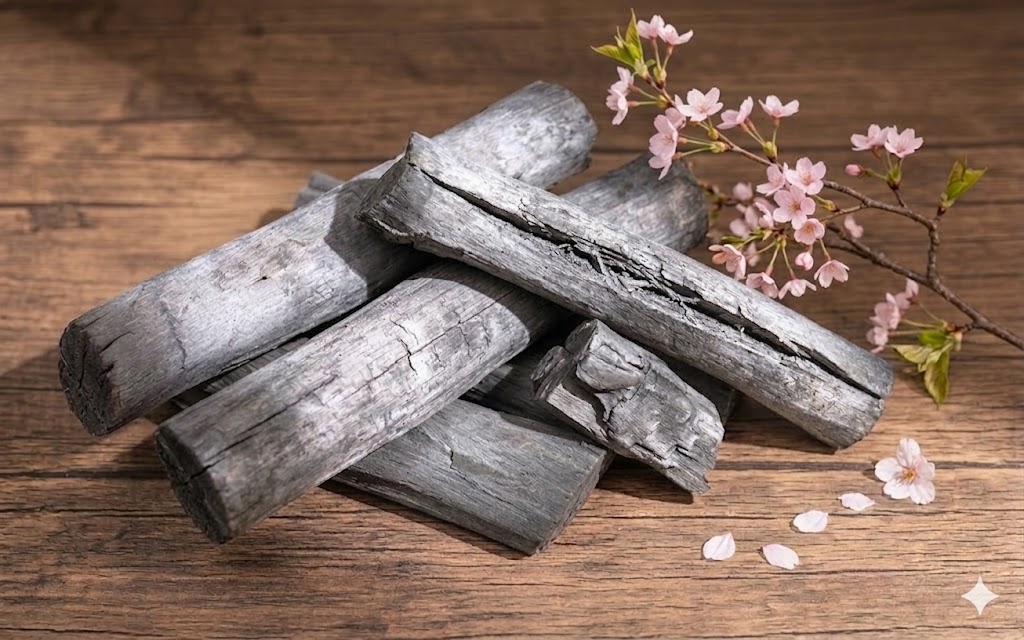
Strict technical criteria ensure charcoal burns efficiently and safely in professional kitchens. Below are the key chemical and physical standards required for commercial export.
Fixed Carbon Content Requirements (Exceeding 90%)
High-grade Binchotan must maintain a fixed carbon content exceeding 90% to guarantee maximum density, intense thermal output, and prolonged burning times. Meeting these Binchotan export standards for carbon purity minimizes unpleasant odors and ensures the charcoal burns evenly without generating disruptive sparks during service.
Moisture Levels And Prevention Of Internal Cracking
Moisture content must strictly remain below 4% to 5% to prevent dangerous internal steam pressure from causing the charcoal to crack or pop violently when lit. Suppliers achieve this by utilizing sealed, dry storage environments and moisture-proof packaging immediately following kiln discharge.
Ash Content And Volatile Matter Thresholds
Commercial buyers require ash content to stay under 2% to 2.5%, preventing fine white powder from blowing onto food or smothering the firebed during long dining sessions. Volatile matter must similarly be kept under 5% to eliminate volatile organic compounds that create unwanted smoke and harsh smells.
Calorific Value And Extended Burning Hours
Superior Binchotan delivers a high calorific value of over 8,000 kcal/kg, enabling it to burn steadily for 4 to 6 hours depending on piece size and ventilation settings. This exceptional energy density allows commercial kitchens to reduce total charcoal consumption while maintaining precise grilling temperatures.
Binchotan Export Standards: Japan & Korea Requirements
Exporting to Japan and South Korea requires full alignment with local trade regulations and safety standards. Meeting these regional policies guarantees smooth customs clearance and market access.
Japan Import Regulations And Commercial Expectations
Japanese customs authorities and commercial buyers require comprehensive documentation, including detailed Certificate of Origin forms and clear material classification declarations. Adhering to official Binchotan export standards ensures that restaurants receive strict consistency in charcoal length, diameter, and burning behavior to preserve traditional culinary standards.
South Korean Safety Standards And Testing Protocols
South Korea enforces rigorous safety testing under K-REACH regulations, requiring mandatory safety certification from recognized testing institutes prior to market entry. Importers must verify that every imported batch complies fully with Binchotan export standards for indoor air emissions and toxic byproducts.
Heavy Metal And Chemical Residue Inspections
Both countries conduct stringent laboratory screenings to detect harmful trace heavy metals like cadmium, lead, arsenic, and chromium. Binchotan produced without synthetic binders or toxic chemical additives easily passes these environmental safety audits.
Raw Material Sourcing & Carbonization
Premium white charcoal relies on high-density wood species and expert kiln management. Controlled carbonization and cooling methods define the final product’s quality.
Suitable Hardwood Species For Premium Binchotan
Authentic Binchotan requires dense timber like Japanese Holm Oak (Ubamegashi), Lychee wood, or tropical hardwoods with dense cellular structures. Choosing natural timber is critical, as understanding the structural differences between Hardwood Binchotan vs sawdust Binchotan helps buyers select the right charcoal density, heat retention, and durability for commercial grilling. Harder timber species yield high structural integrity, exceptional weight, and prolonged heat generation after carbonization.
High-Temperature Carbonization And Rapid Cooling
The manufacturing process involves slow carbonization at moderate temperatures followed by an intense finishing phase exceeding 1,000°C to burn away all impurities. Workers then quickly smother the red-hot charcoal in a damp mixture of ash, soil, and sand, giving white charcoal its characteristic metallic sheen and extreme hardness.
Charcoal Grading: Maitani & Komaru
Exporters categorize Binchotan into precise trade grades based on wood thickness, shape, and cut dimensions such as Maitani (thicker branches) or Komaru (medium-sized round logs). Standardized grading enables restaurant chains to order consistent piece sizes that fit their specific grill setups.
Quality Control & Ocean Logistics
Proper packaging and quality testing safeguard cargo during international ocean transport. Reliable shipping logistics prevent moisture damage and maintain product structure.
Laboratory Testing And Physical Hardness Evaluation
Exporters conduct proximate analysis tests in certified laboratories to measure fixed carbon, ash, and moisture percentages accurately before shipment. Physical drop tests and structural ringing evaluations verify that the pieces will not break into unusable fragments during transport.
Moisture-Resistant Packaging And Dangerous Goods Compliance
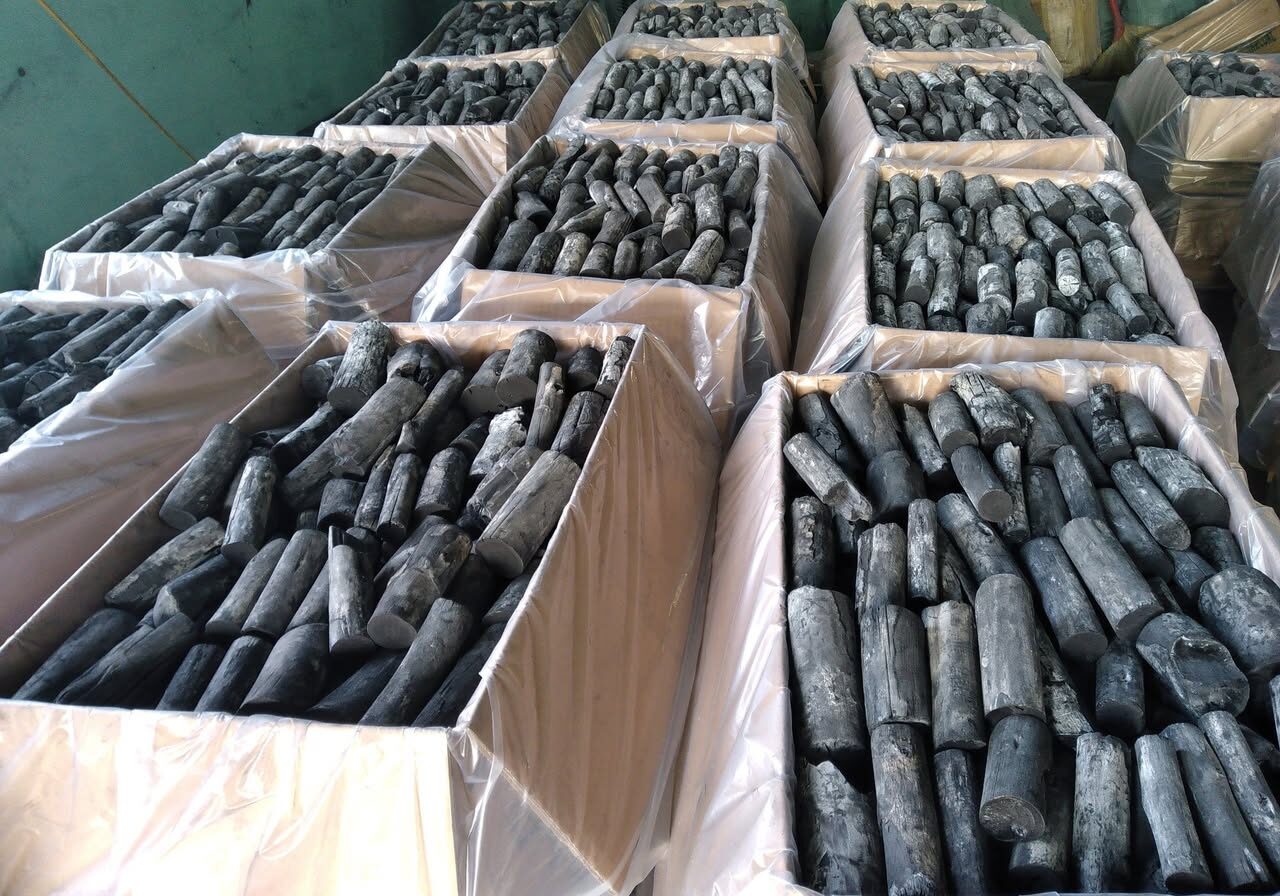
Charcoal is packed into inner plastic bags sealed inside heavy-duty corrugated cartons to block ocean humidity and external moisture during sea freight. Cargo must carry accurate Dangerous Goods (DG) declarations and pass UN self-heating tests to comply with international maritime safety codes and international Binchotan export standards.
Container Loading Density And Transport Safety
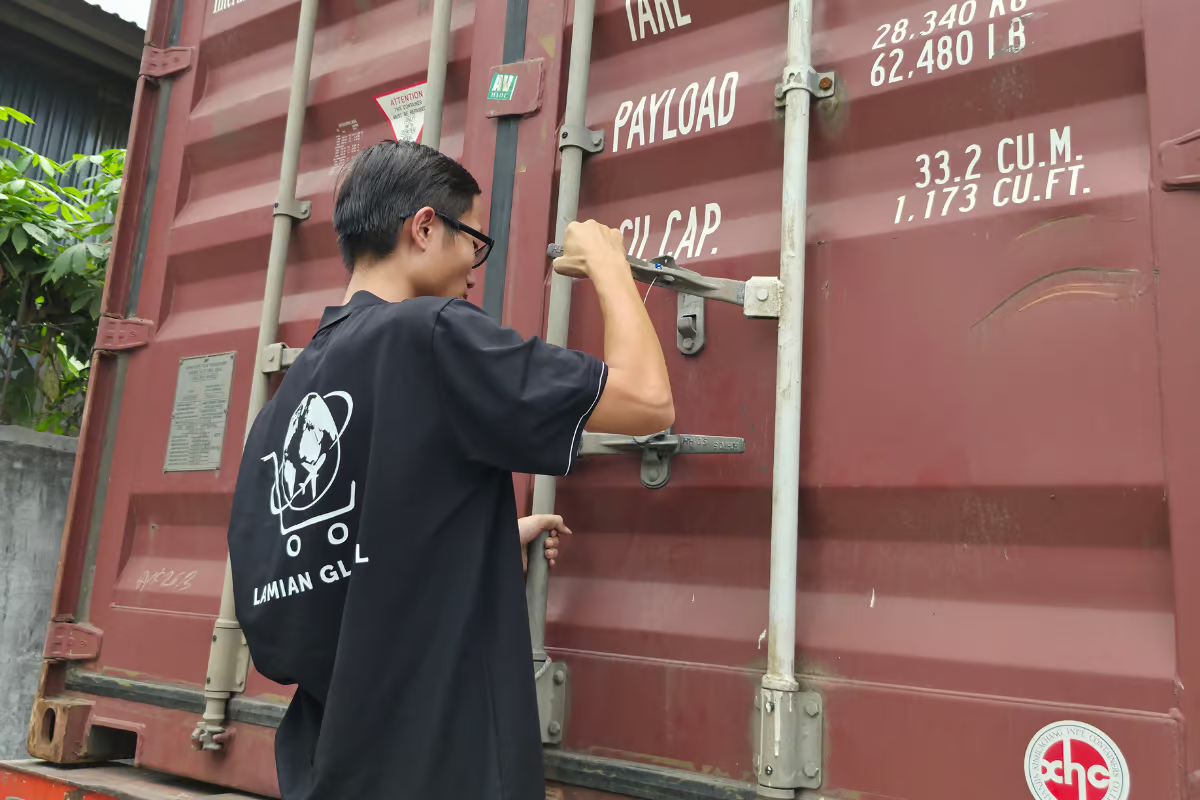
Cartons must be tightly stacked and strapped onto export-grade pallets inside dry shipping containers to maximize volumetric density and prevent cargo shifting. Proper weight distribution and moisture absorbers placed within the container preserve charcoal quality over long sea voyages.
Pre-Shipment Factory Audit Protocols For Importers
B2B buyers routinely perform third-party pre-shipment inspections and facility audits to review raw material stocks, kiln operations, and batch quality control records. Establishing clear factory audit protocols guarantees consistent product quality and full adherence to Binchotan export standards across every shipped container.
Conclusion
Meeting strict Binchotan export standards—over 90% fixed carbon, low moisture, low ash, and maritime safety compliance—is essential for success in Japan and South Korea. Partnering with a reliable supplier ensures top-grade white charcoal and smooth customs clearance. Partner with Lamian Global to stabilize fuel costs, elevate food presentation, and streamline container procurement. Contact our B2B Export Team today for factory-direct FOB/CIF pricing, a virtual facility audit, or a free sample kit.
- Company: Lamian Global
- Headquarters: 47 Street 36, Van Phuc Residential Area, Hiep Binh Ward, Ho Chi Minh City, Vietnam, 700000
- Hotline / WhatsApp / Commercial Line: +84 812 036 789
- Email: contact.charcoal@lamianglobal.com
- Website: https://lamiancharcoal.com/