While they share a similar name and originate from carbon-rich materials, black charcoal and activated charcoal serve completely different industrial purposes. For B2B buyers sourcing materials for restaurants, commercial kitchens, or industrial filtration, understanding the technical differences between combustion and adsorption is critical to making the right purchasing decision.
Production Process: How They Are Made
Understanding how these materials are manufactured is the first step in recognizing their distinct industrial uses. While both start as raw biomass, their journey through the processing facility dictates their final physical properties.
Black Charcoal: Low-Oxygen Carbonization
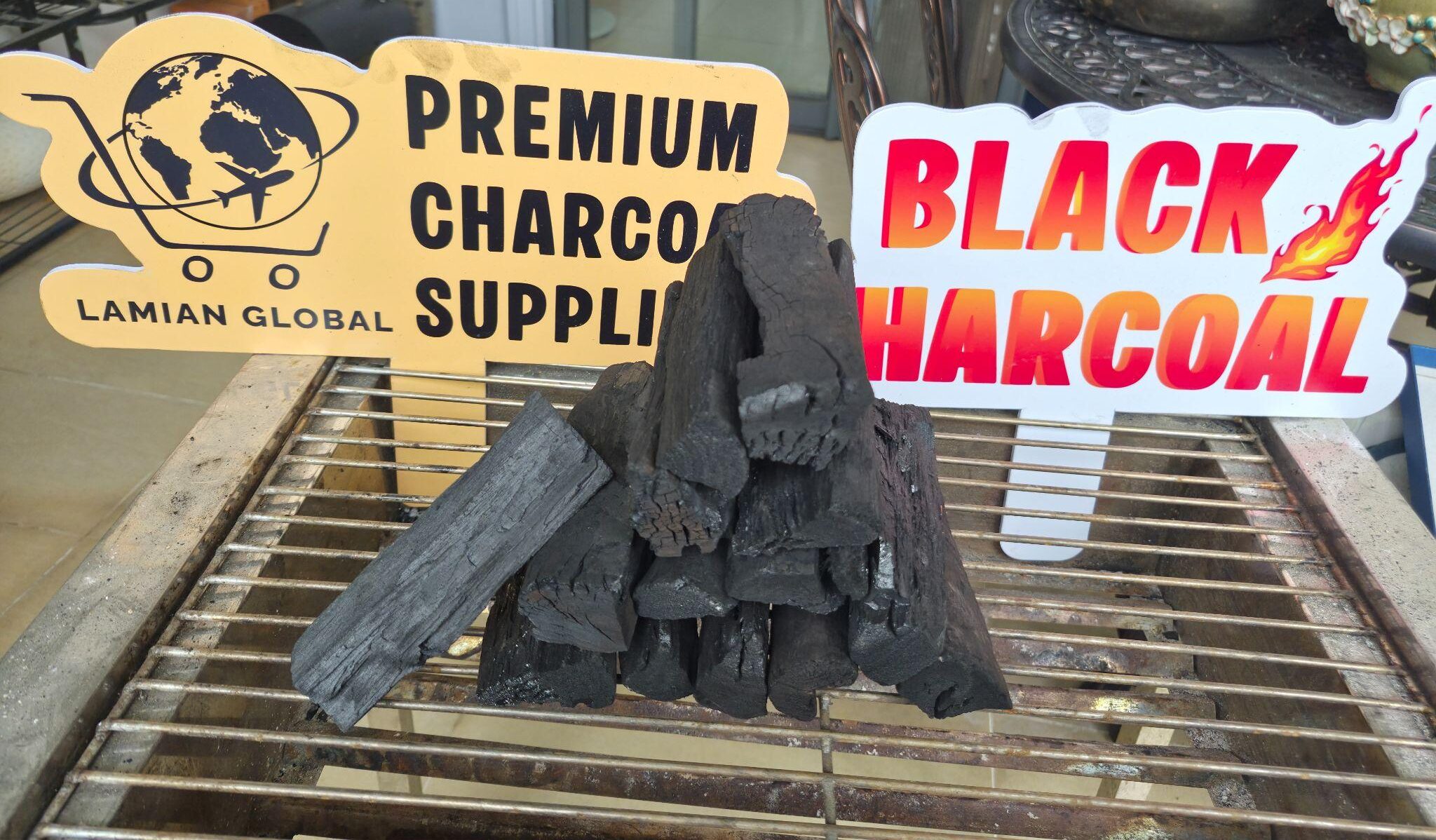
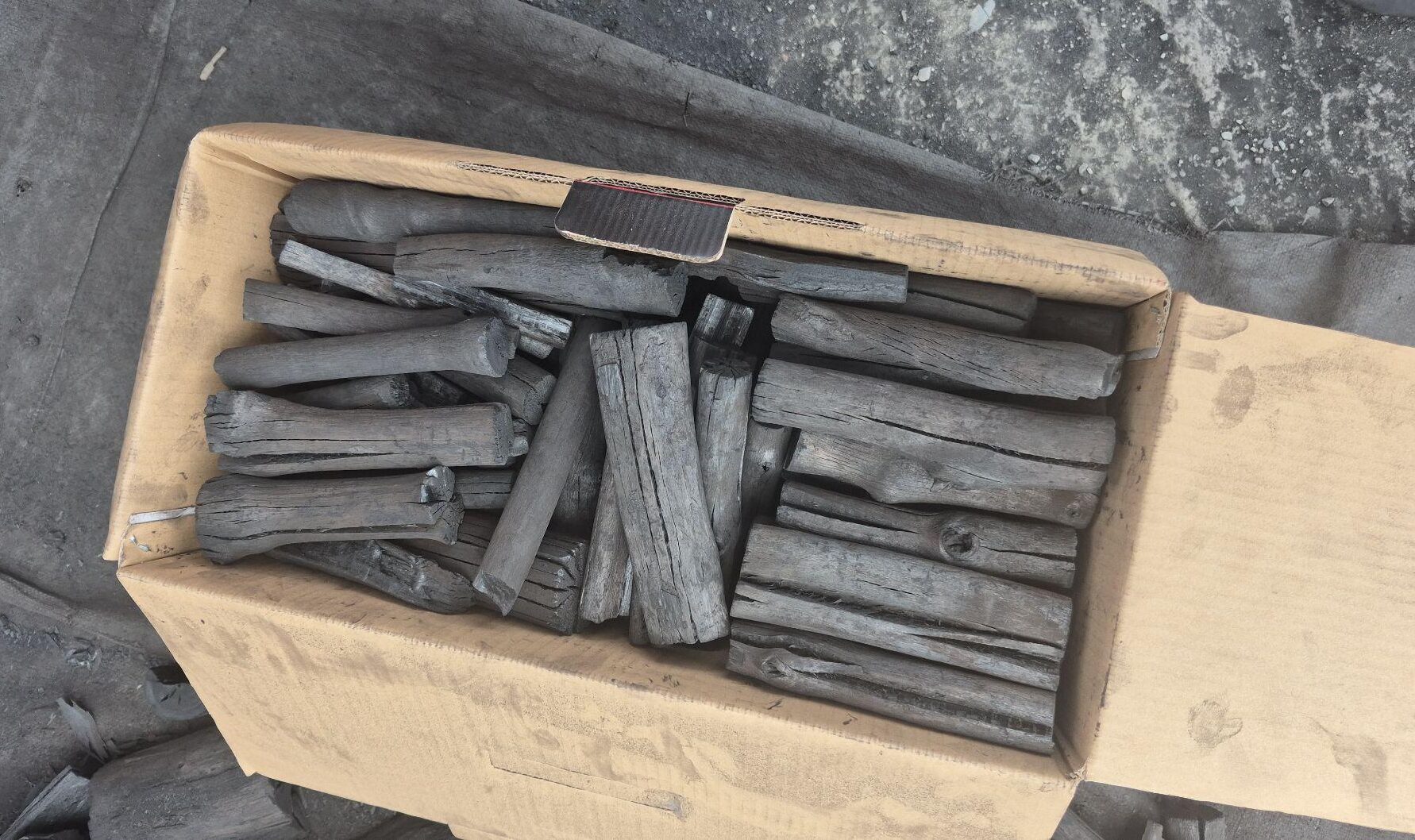
Black charcoal is produced through carbonization (pyrolysis), where wood is heated in a low-oxygen environment. This process effectively removes moisture and volatile compounds, leaving behind a dense, carbon-rich solid fuel.
Hardwoods such as Mangrove, Longan, Acacia, and Eucalyptus are frequently used to produce premium grades. The entire manufacturing process is optimized to create a fuel source that burns efficiently, ignites predictably, and provides stable, long-lasting heat for culinary use.
Activated Charcoal: The Additional Activation Step
Activated charcoal, frequently referred to as activated carbon, undergoes an entirely separate, secondary process after initial carbonization. This activation can be physical (using high-temperature steam or carbon dioxide) or chemical (using specific activating agents).
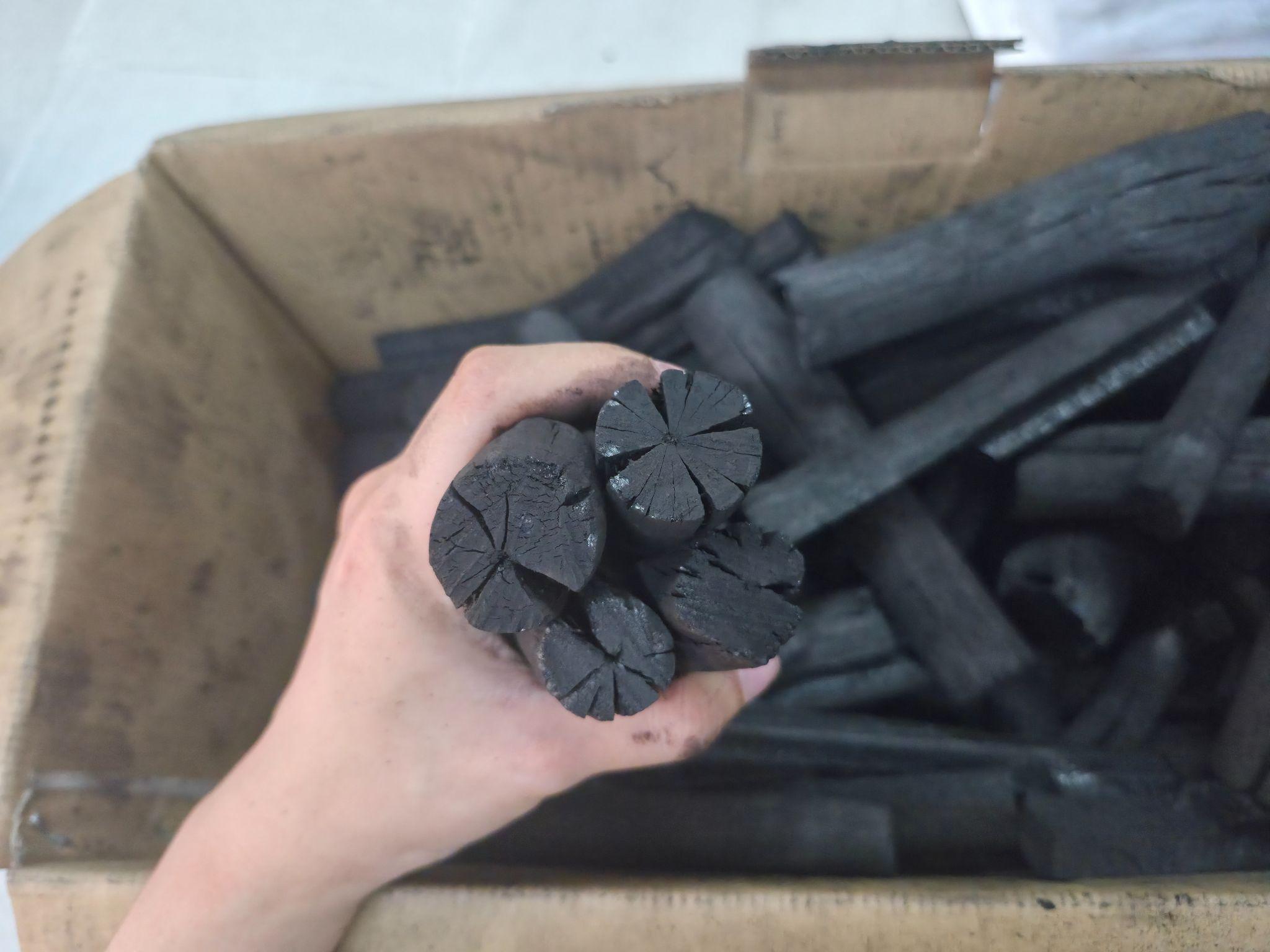
This intense secondary processing is designed to erode the internal structure of the carbon, developing a massive, microscopic network of pores. The end result is not a fuel, but a highly porous material engineered specifically for adsorption.
Structural Differences: Pores and Surface Area
The physical architecture of the carbon dictates its primary function. The core contrast between black charcoal vs activated charcoal lies in their internal porosity and total microscopic surface area.
While ordinary black charcoal naturally contains small pores created as water and volatiles escape during carbonization, this structure is not optimized to capture other molecules. Its structure is built to sustain a fire.
In contrast, activated charcoal is processed to maximize internal void space. Depending on the raw material and activation method, activated carbon can reach a specific surface area ranging from hundreds to over 1,000 m²/g. A single gram of high-quality activated charcoal can have a surface area larger than a tennis court.
This massive internal area is classified by pore size:
- Micropores: Below 2 nm (ideal for capturing gas molecules and small organic compounds).
- Mesopores: 2–50 nm (effective for medium-sized molecules and liquid filtration).
- Macropores: Above 50 nm (acts as a transport channel for molecules to reach the smaller pores).
A higher internal surface area provides millions of microscopic sites where contaminants and molecules can be trapped (adsorbed), explaining why activated carbon is the global standard for filtration.
Core Comparison: Black Charcoal vs Activated Charcoal
To streamline the sourcing process, this table highlights the primary technical distinctions between the two materials.
| Aspect | Black Charcoal |
Activated Charcoal
|
| Production | Carbonization only |
Carbonization + Activation
|
| Main Function | Combustion (generating heat) |
Adsorption (capturing molecules)
|
| Pore Structure | Naturally developed, limited pores |
Highly developed, engineered pore network
|
| Surface Area | Generally low and variable |
Exceptionally high (often >500 m²/g)
|
|
Key Specifications
|
Burn time, ash, moisture, fixed carbon |
Surface area, pore volume, iodine number
|
| Primary Uses | BBQ, catering, commercial cooking, heating |
Water filtration, air purification, decolorization
|
Practical Applications for B2B Buyers
Because their physical properties are drastically different, these two materials serve completely separate industries. Choosing the right product requires matching its structural strengths to your specific operational goals.
Black Charcoal: Engineered for Heat and Cooking
Black charcoal is strictly a fuel product. It is heavily utilized in industries where controlled, sustained, and high-temperature heat is a daily requirement. Common applications include commercial BBQ restaurants, Yakiniku, traditional grilling, outdoor catering, and general household cooking.
For wholesale buyers in this space, the most critical specifications to check on a Certificate of Analysis (COA) are wood species, charcoal size, moisture content, ash percentage, and guaranteed burning time.
Activated Charcoal: Engineered for Adsorption
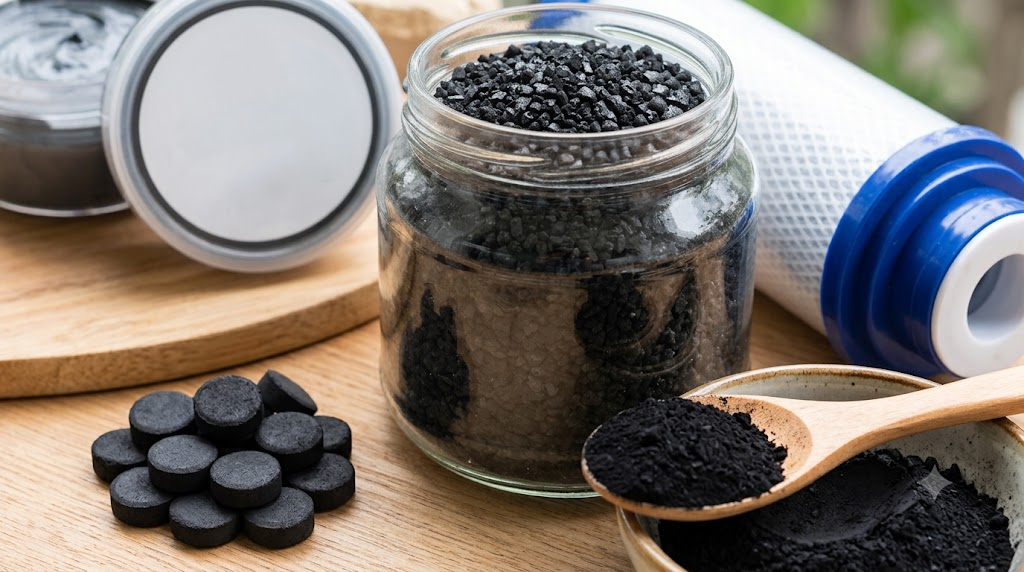
Activated charcoal is the foundation of purification systems. Its porous structure is utilized wherever unwanted substances, toxins, or odors need to be captured and removed. This includes municipal water filtration, industrial wastewater treatment, air and gas purification, chemical processing, and pharmaceutical applications.
Buyers in this sector must specify the target contaminant to ensure they purchase the correct grade of activated carbon (tailored by micropore or mesopore dominance).
Common Misconceptions in Sourcing
Buyers frequently confuse these two materials due to their visual similarities and shared nomenclature. Here are the most common questions clarified for commercial sourcing.
Is black charcoal the same as activated charcoal?
No. They share a base material (carbon), but black charcoal is a fuel designed to burn, whereas activated charcoal is a highly processed filter media designed to trap molecules.
Can regular black charcoal be used for water or air filtration?
While ordinary BBQ charcoal has minor porous properties, it should never be used as a substitute for activated carbon in professional filtration systems. Its pore structure and adsorption capacity are vastly inferior and will not meet the safety or performance requirements of water or air purification.
Can activated charcoal be used for grilling?
Using activated charcoal for BBQ is highly inefficient and cost-prohibitive. It is engineered to capture molecules, not to provide the stable, long-lasting radiant heat required for cooking food.
Conclusion
Whether your business requires premium black charcoal for a high-volume restaurant chain or specialized activated charcoal for industrial filtration, sourcing the exact technical specification is crucial. Lamian Global supplies a diverse range of charcoal products tailored to specific commercial needs. Contact our team with your required charcoal type, technical specifications, intended application, and estimated monthly volume to discuss bulk supply options and receive a tailored quote.
- Company: Lamian Global
- Headquarters: 47 Street 36, Van Phuc Residential Area, Hiep Binh Ward, Ho Chi Minh City, Vietnam, 700000
- Hotline / WhatsApp: +84 812 036 789
- Email: contact.charcoal@lamianglobal.com
- Website: https://lamiancharcoal.com/