Black charcoal has transitioned from a traditional fuel source to a highly sought-after active ingredient in the global skincare industry. Valued for its distinct physical structure, it is a staple in formulations designed for oily skin, deep-cleansing routines, and wash-off masks. In this Black Charcoal In Cosmetics: Oil Control & Deep Cleansing guide, we break down the exact science behind charcoal, essential knowledge for cosmetic manufacturers and formulators developing effective, safe, and marketable skincare products.
The Science of Black Charcoal in Cosmetics: How It Works
The human skin constantly produces sebum (natural oils), which mixes with sweat, environmental pollutants, dead skin cells, and makeup residue. This daily buildup leads to a greasy appearance and congested pores. Charcoal is introduced into cosmetic formulas to combat this buildup through a physical process called adsorption (not to be confused with absorption).
Unlike a sponge that absorbs liquids into its mass, charcoal features a microscopic, highly porous carbon structure. When applied to the skin, these pores provide a massive surface area where excess sebum, dirt, and target molecules naturally attach and bind to the carbon. When the cleanser or mask is rinsed off, the trapped impurities are washed away with the charcoal.
Note: While regular black charcoal offers baseline adsorption, activated carbon derived from Coconut Shell Charcoal is often preferred in premium cosmetics because its intense secondary processing creates an exponentially larger internal pore network, maximizing its oil-binding capacity.
Core Skincare Benefits: Beyond the Black Color
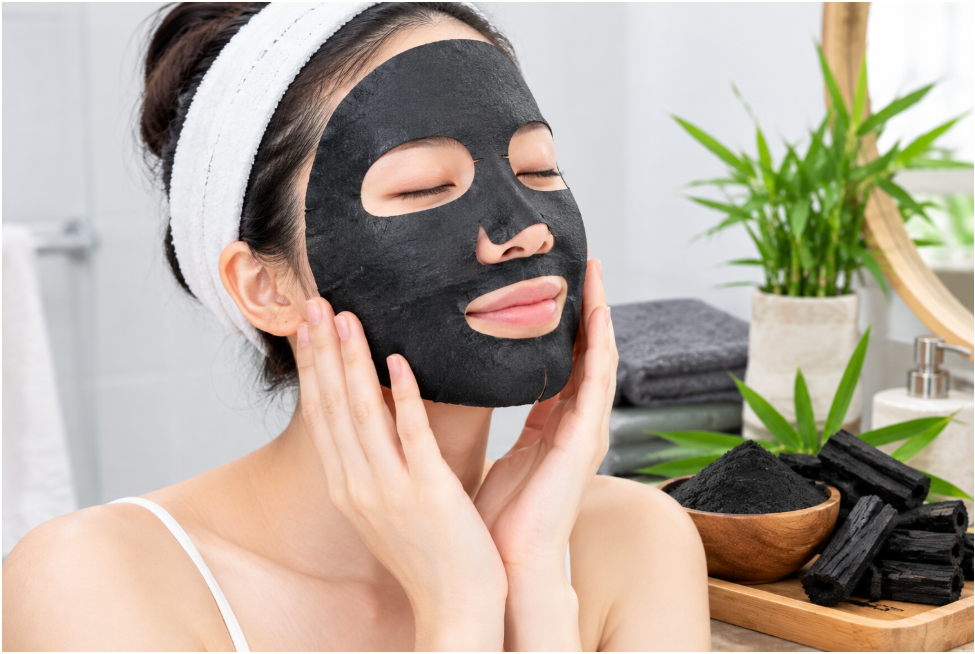
When correctly formulated alongside surfactants and hydrating agents, cosmetic-grade charcoal provides two primary functional benefits.
Sebum Regulation and Oil Control
Charcoal excels at interacting with excess surface lipids. By binding to the overproduced sebum on the skin’s outermost layer (the stratum corneum), it provides an immediate, temporary mattifying effect. This leaves the skin feeling clean and visibly reduces unwanted shine, making Black Charcoal in Cosmetics an ideal core ingredient for oily and combination skincare lines. However, a successful formulation must balance this oil removal with hydrating ingredients (like glycerin or hyaluronic acid) to prevent stripping the skin and causing tightness.
Surface Cleansing and Exfoliation Support
Charcoal does not literally “reach deep into the pores and pull out dirt” like a magnet. Instead, it acts as a highly effective surface sweeper. When combined with cleansing surfactants, it helps loosen and trap accumulated environmental particulate matter. In physical scrubs, the fine charcoal powder also acts as a gentle exfoliant, buffing away dead skin cells to reveal a smoother texture and make pores appear less noticeable.
Managing Consumer Expectations: The “Detox” Marketing Myth
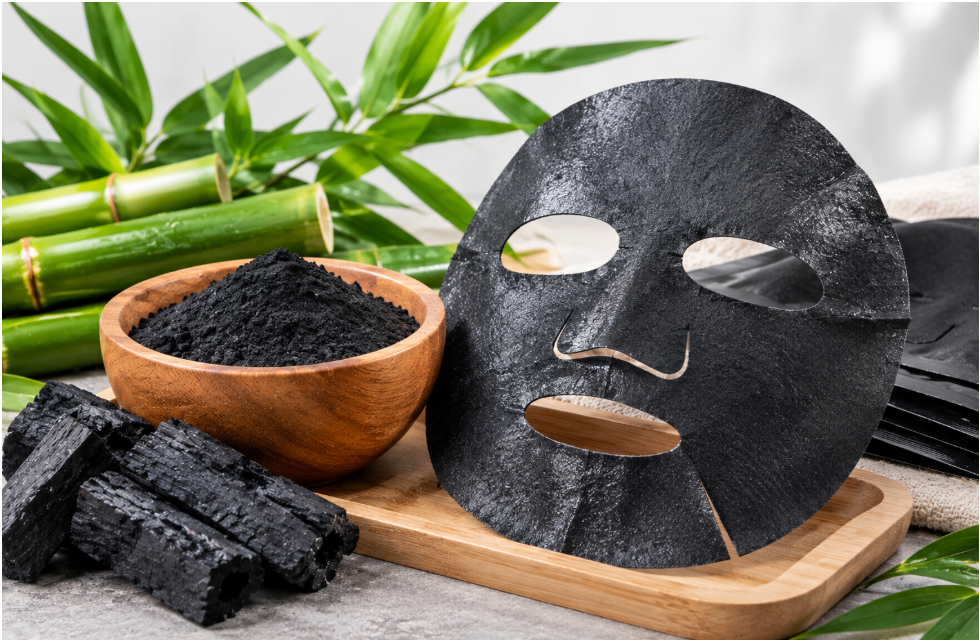
“Detox” is one of the most popular marketing claims for charcoal skincare, but formulators and brands must use it responsibly to maintain consumer trust.
Charcoal interacts exclusively with substances on the skin’s surface. A charcoal face mask does not remove biological toxins from the bloodstream, nor does it detoxify the liver or internal organs. In the context of Black Charcoal in Cosmetics, “detox” should be clearly defined and marketed as the removal of surface buildup and environmental pollutants, rather than a medical systemic treatment.
Common Cosmetic Formulations
Black charcoal is versatile and can be dispersed into several distinct product categories based on the desired contact time and cleansing intensity.
| Product Type | Charcoal’s Primary Role | Usage & Formulation Note |
| Wash-Off Clay/Mud Masks | Intensive oil adsorption. | High contact time (10-15 mins). Often paired with Kaolin or Bentonite clay for maximum sebum control. |
| Daily Gel/Foam Cleansers | Gentle daily surface sweeping. | Short contact time. Relies heavily on surfactants to lift dirt while charcoal traps it. |
| Physical Face Scrubs | Gentle physical exfoliation. | Charcoal particles provide a micro-abrasive texture to buff away dead skin cells. |
Sourcing Guide for Cosmetic Manufacturers
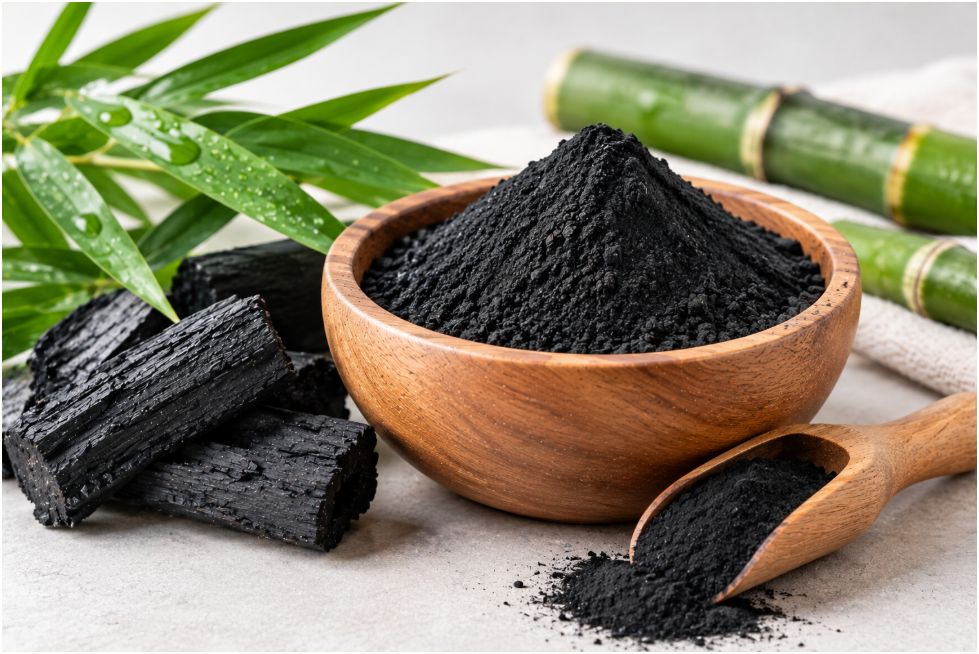
For R&D teams and ingredient buyers, sourcing charcoal is a highly technical process. Cosmetic-grade charcoal is fundamentally different from BBQ or industrial fuel charcoal. Using the wrong grade can lead to product instability, skin irritation, or heavy metal contamination.
When sourcing bulk charcoal for cosmetic manufacturing, evaluate the following metrics:
- Purity and Safety: The charcoal must be strictly cosmetic-grade, thoroughly processed to remove all heavy metals, un-carbonized wood resins, and toxic ash.
- Particle Size (Mesh Size): Crucial for skin feel. A micronized, ultra-fine powder, such as finely milled Bamboo Charcoal, ensures smooth dispersion in creams and masks, while slightly larger particles may be requested for exfoliating scrubs.
- Dispersibility: The powder must mix smoothly into water or oil phases without clumping, ensuring visual consistency in the final retail batch.
- Microbiological Cleanliness: Because charcoal can harbor moisture if not stored correctly, the bulk supply must pass strict microbiological testing before entering the cosmetic lab.
Choosing the right charcoal ingredient ensures that your final formulation delivers the cleansing performance consumers expect without compromising on safety or texture.
Looking to source premium, cosmetic-grade black charcoal or activated carbon for your manufacturing facility? Lamian Global supplies high-purity carbon ingredients tailored for the skincare and cosmetics industry, alongside a diverse range of Other Products engineered for specialized commercial and industrial applications. Contact our team with your required specifications, particle size (mesh), intended formulation, and estimated monthly volume to discuss bulk supply options.
- Company: Lamian Global
- Headquarters: 47 Street 36, Van Phuc Residential Area, Hiep Binh Ward, Ho Chi Minh City, Vietnam, 700000
- Hotline / WhatsApp: +84 812 036 789
- Email: contact.charcoal@lamianglobal.com
- Website: https://lamiancharcoal.com/