When sourcing sawdust charcoal briquettes, the type of wood used as raw material significantly affects performance. Hardwood Sawdust vs Softwood Sawdust Charcoal produce charcoal with clear differences in density, fixed carbon content, burn time, smoke level and heat consistency. For restaurants, importers and professional BBQ operators, understanding these differences helps select the right product for reliable results and lower long-term costs.
This guide breaks down the key technical differences, ideal applications and what to look for when choosing high-quality sawdust charcoal.
What Is Hardwood Sawdust Charcoal?
Hardwood sawdust charcoal is produced from the fine sawdust of dense, slow-growing hardwood species such as eucalyptus, acacia, longan, mangrove, cassia and similar tropical hardwoods. These woods have a compact cellular structure, higher lignin content and lower resin levels.
After high-pressure briquetting and controlled carbonization, quality hardwood sawdust charcoal typically reaches:
- Fixed carbon ≥ 80%
- Calorific value ≥ 7,500 kcal/kg
- Ash content ≤ 3%
- Moisture ≤ 5%
The result is a dense, long-burning, nearly smokeless charcoal with stable heat output well-suited for professional BBQ and commercial kitchens.
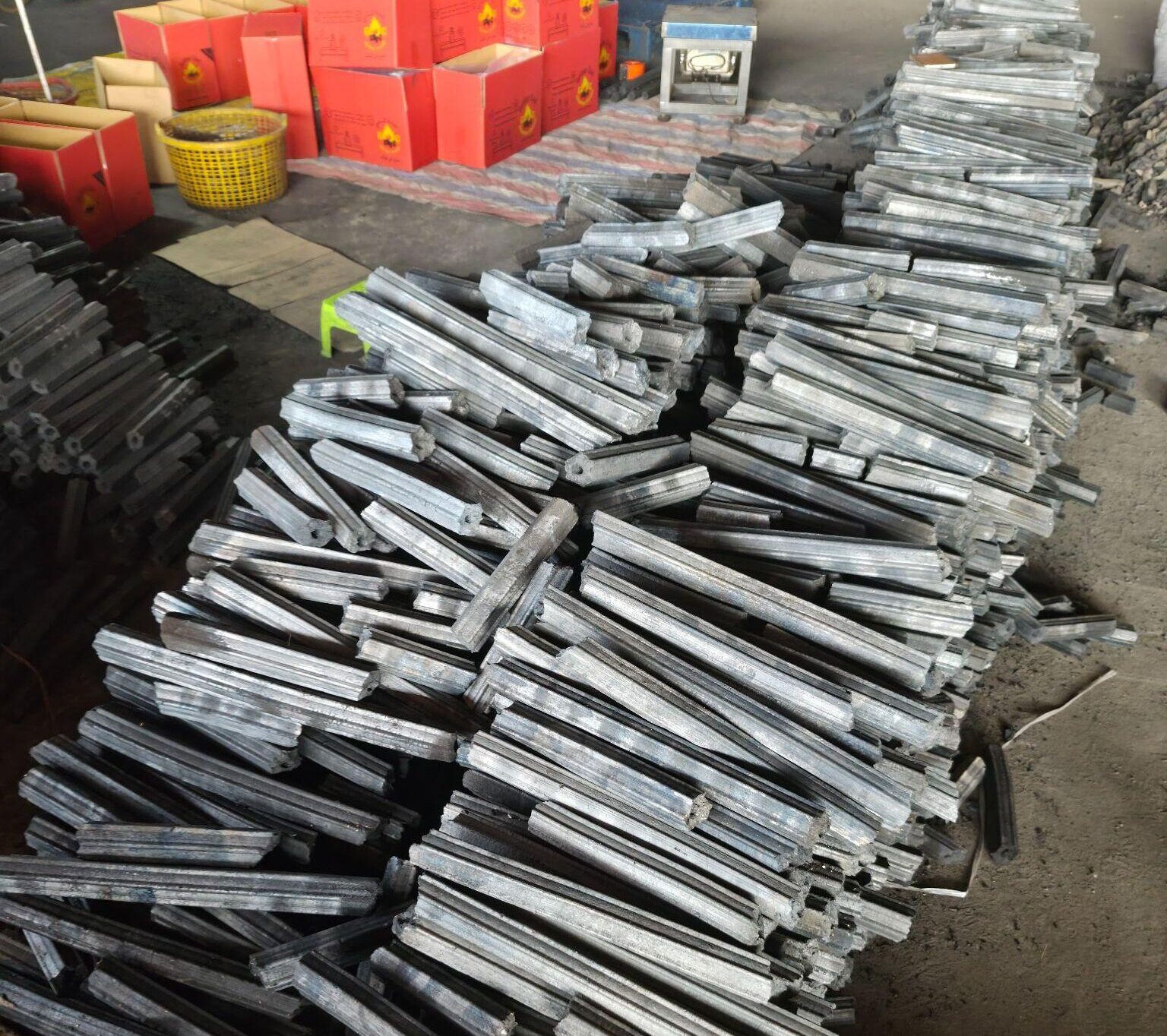
What Is Softwood Sawdust Charcoal?
Softwood sawdust charcoal comes from the sawdust of fast-growing coniferous trees such as pine, spruce, fir and cedar. Softwoods are lighter, more porous and contain higher levels of resin.
Even after briquetting and carbonization, softwood-based charcoal generally shows lower fixed carbon, shorter burn time, greater risk of smoke or odor, and slightly higher ash content. It is often selected for cost-sensitive or short-duration applications rather than high-volume professional use.
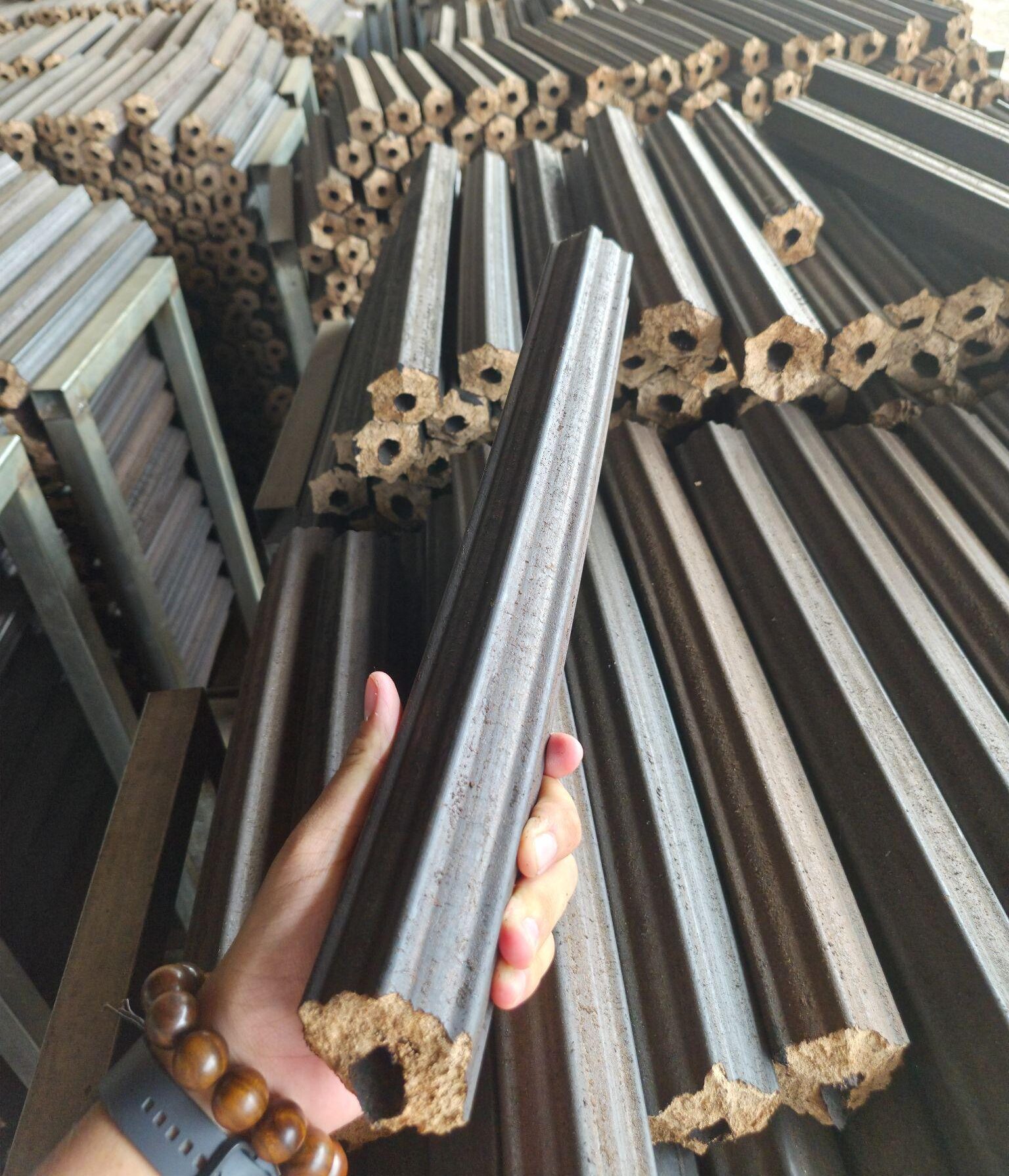
Key Differences – Hardwood Sawdust vs Softwood Sawdust Charcoal
The performance gap between hardwood and softwood sawdust charcoal becomes clear when comparing core technical parameters side by side. Density, fixed carbon, heat output, burn time and combustion cleanliness all differ noticeably, directly affecting fuel efficiency and cooking results in professional settings. The table below summarizes these key differences for quick reference.
| Parameter | Hardwood Sawdust Charcoal | Softwood Sawdust Charcoal |
| Fixed Carbon | ≥ 80% | Usually 65–75% |
| Calorific Value | ≥ 7,500 kcal/kg | Lower (typically 6,000–7,000) |
| Ash Content | ≤ 3% | Higher (often 4–6%+) |
| Moisture | ≤ 5% | ≤ 5–8% |
| Burn Time | 3–5+ hours | Shorter (commonly 1.5–3 hours) |
| Smoke & Odor | Almost none | Higher risk due to resin |
| Density | High | Medium |
| Best For | Professional BBQ, restaurants, export | Budget or short-duration use |
Density and Fixed Carbon
Hardwood sawdust starts with higher natural density. After compression and carbonization, it consistently reaches fixed carbon levels of 80% or above. Softwood sawdust, being lighter and more resinous, typically produces lower fixed carbon under the same process.
Heat Output and Stability
Premium hardwood sawdust charcoal delivers strong, stable heat with calorific values of 7,500 kcal/kg or higher. Softwood versions generally produce less intense and less consistent heat.
Burn Time
Hardwood sawdust briquettes commonly burn 3–5 hours or longer with minimal temperature fluctuation. Softwood briquettes burn faster and require more frequent refueling.
Smoke, Odor and Clean Burning
Low resin content in hardwood results in nearly smokeless, odorless combustion and low ash. Higher resin in softwood increases the chance of smoke, slight chemical odor, and higher residual ash, an important consideration for food-grade and indoor BBQ use.
Cost and Practical Advantages of Softwood
Softwood sawdust charcoal is usually more affordable and can be easier to light. It works adequately for casual outdoor grilling or situations where maximum burn time and consistency are not critical.
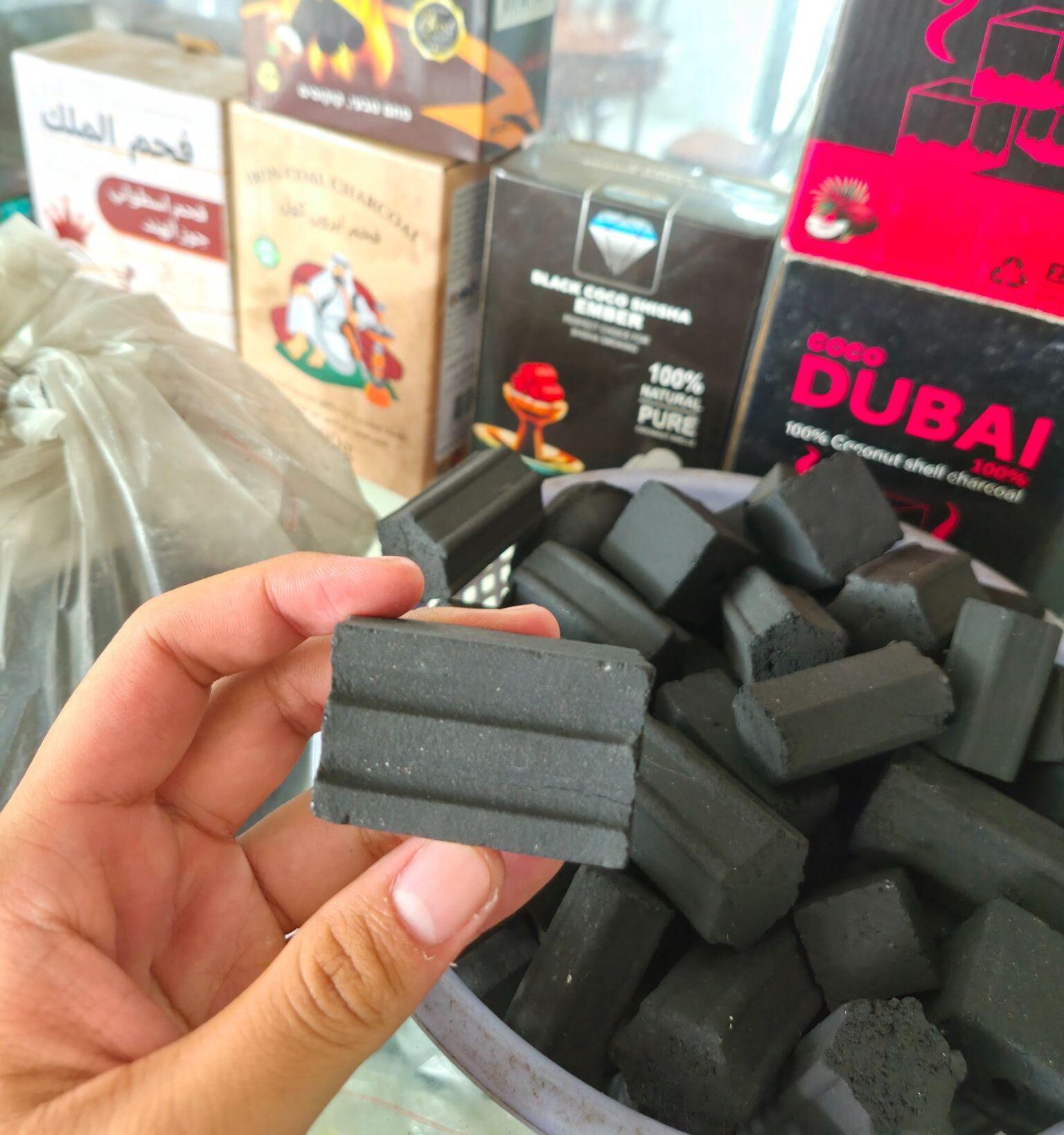
Which Is Better for BBQ and Commercial Use?
For restaurants, high-volume BBQ operations, indoor grilling and export markets that require consistency, hardwood sawdust charcoal is the stronger choice. It offers longer burn time, stable heat, minimal ash and clean combustion, which helps reduce fuel consumption and maintain food quality.
Softwood sawdust charcoal can work for casual outdoor grilling or price-sensitive applications where maximum performance is not essential. Most professional buyers and restaurant chains, however, prefer hardwood-based products for reliability and better long-term cost efficiency.
Best Wood Species for Premium Sawdust Charcoal Briquettes
In Vietnam, the most reliable hardwood species for high-performance sawdust charcoal include:
- Eucalyptus
- Acacia
- Longan
- Mangrove
- Cassia (Cinnamon)
These species combine high density, low resin and strong carbonization results, allowing manufacturers to consistently achieve fixed carbon ≥ 80% and ash ≤ 3%.
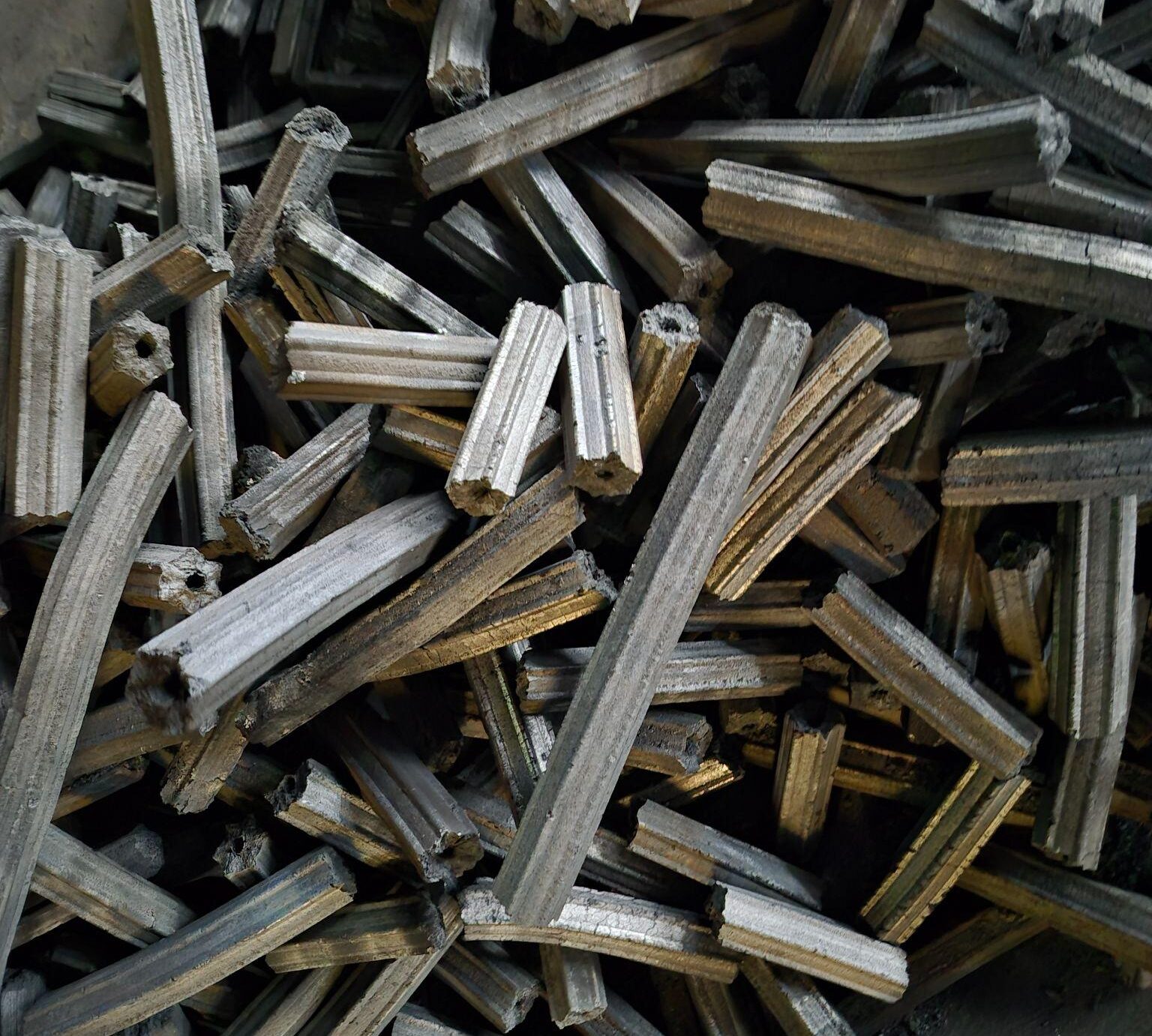
How Quality Exporters Control Raw Material and Production
Reliable exporters apply strict source control, accepting only clean hardwood sawdust from selected species. The material is dried, high-pressure briquetted into dense blanks, carbonized under controlled conditions for 12–15 days, then rested for 1–2 weeks before packaging. Each stage is monitored to maintain consistent fixed carbon, low ash, low moisture and reliable burn performance.
Frequently Asked Questions
Below are the most common questions buyers ask when comparing hardwood sawdust vs softwood sawdust charcoal.
Is hardwood sawdust charcoal better than softwood for restaurants?
Yes. Hardwood sawdust charcoal typically offers higher fixed carbon, longer burn time, lower ash and cleaner combustion, making it more suitable for professional and high-volume use.
Does softwood sawdust charcoal produce more smoke?
It carries a higher risk of smoke and odor due to greater resin content, especially if carbonization is not carefully controlled.
What fixed carbon level should I look for in sawdust charcoal briquettes?
For professional BBQ and commercial kitchens, fixed carbon of 80% or higher is recommended for better heat stability and longer burn time.
Can softwood charcoal be used for indoor grilling?
It is possible, but hardwood is generally preferred because of its cleaner burn and lower risk of unwanted odor or smoke.
Conclusion
Hardwood sawdust charcoal delivers higher fixed carbon, longer burn time, lower ash, and cleaner combustion compared with softwood alternatives. These advantages make it the preferred choice for professional BBQ, restaurants, and export markets that demand consistency. Softwood can suit budget or short-duration needs, but reliable high performance comes from carefully selected hardwood sawdust and controlled production processes.
For consistent, high-quality hexagonal sawdust charcoal made from premium hardwood sources, partner with a manufacturer that maintains strict standards from raw material to finished product.
Ready to choose the right sawdust charcoal for your business?
Contact Lamian Charcoal for product specifications, samples and wholesale quotations.
- Email: contact.charcoal@lamianglobal.com
- WhatsApp / Hotline: +84 812 036 789
- Website: https://lamiancharcoal.com/