
Learning how to light mangrove charcoal quickly is the secret to achieving consistent heat and superior smoky flavor for every grilling session. Because natural mangrove hardwood is dense and long-burning, starting the fire properly requires the right tools and step-by-step techniques. In this guide, you will explore effortless ways to ignite your coals fast, maintain stable cooking temperatures, and avoid common lighting mistakes.
Overview of Mangrove Charcoal Performance and Benefits
Mangrove charcoal is renowned among professional chefs and pitmasters for its exceptional density, long burn duration, and high calorific output. Sourced responsibly through sustainable mangrove charcoal production practices and structured reforestation models, this natural fuel generates clean, intense heat with minimal smoke and spark output. Understanding how to light mangrove charcoal properly allows culinary teams to harness its steady thermal performance while promoting eco-friendly sourcing across high-volume commercial kitchens.
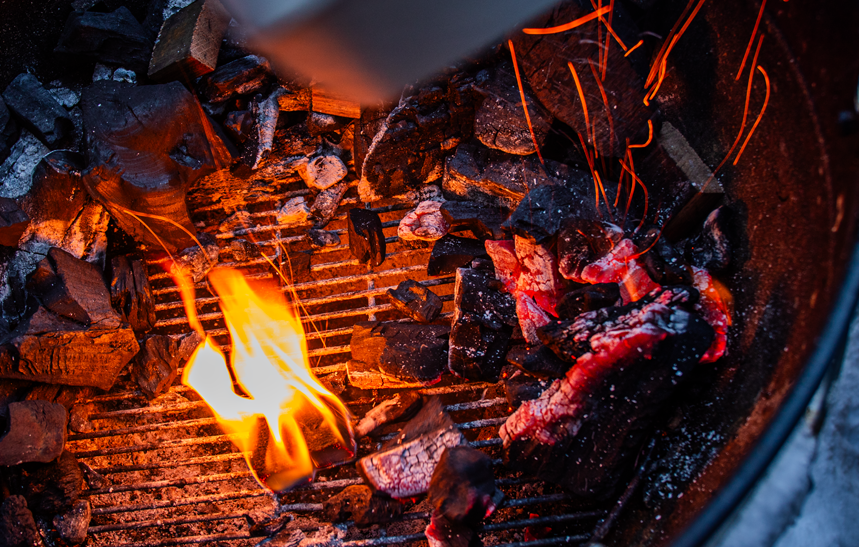
Essential Tools Required to Light Mangrove Charcoal Fast
Having the right equipment on hand simplifies ignition and is central to how to light mangrove charcoal quickly, without frustrating delays. Equipping your station with these essential tools guarantees a smooth and efficient fire-starting procedure every time.
Charcoal Chimney Starters for Quick Ignition
A heavy-duty chimney starter utilizes natural updraft airflow to funnel intense heat directly through packed hardwood lump pieces, drastically cutting down total lighting time. Simply fill the top cylinder with dense mangrove pieces and ignite your starter material underneath to produce glowing coals within minutes.
Natural Firelink Starters and Chemical-Free Options
Using natural wood wool cubes, odorless firelighters, or paraffin blocks provides sustained heat output without relying on liquid fuels. These eco-friendly starters generate a stable flame that burns long enough to overcome the high ignition threshold of dense tropical hardwoods.
Long Safety Matches and Blowtorches for Easy Lighting
Extended safety matches and portable propane blowtorches provide immediate, localized heat that safely ignites your fire starters while keeping hands at a comfortable distance. A brief application of direct flame ensures rapid ignition even in breezy outdoor environments.
Step-by-Step Guide on How to Start Mangrove Charcoal
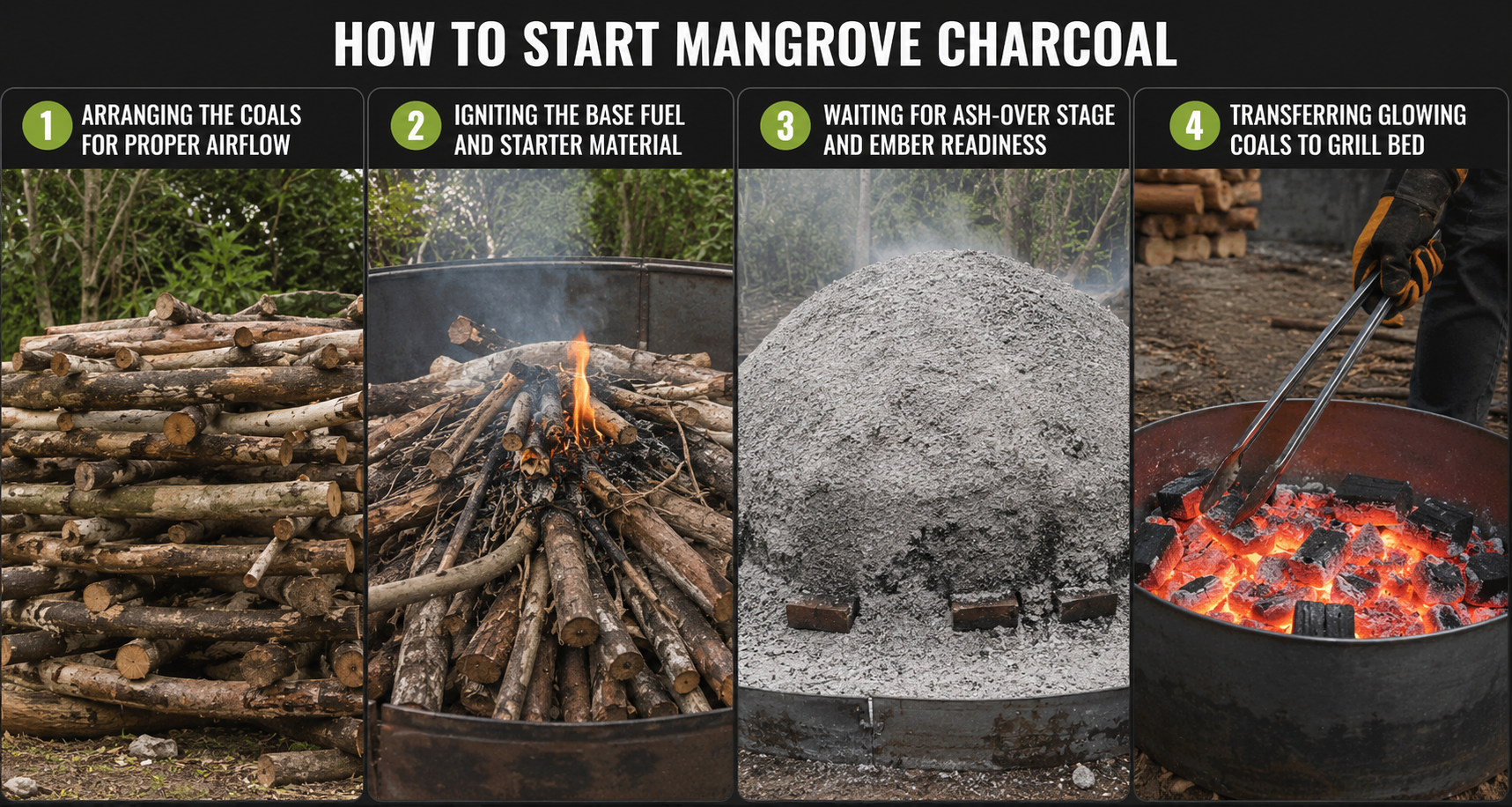
Following a precise sequence ensures your heavy hardwood pieces catch fire quickly and burn evenly. Mastering how to light mangrove charcoal using these four straightforward steps eliminates guesswork when preparing your grill station.
- Step 1 – Arranging the Coals for Proper Airflow: Base your initial stack on larger mangrove chunks at the bottom, layering smaller pieces loosely on top. This foundational arrangement establishes clear vertical pathways for heat and air to travel naturally through the stack.
- Step 2 – Igniting the Base Fuel and Starter Material: Place your chosen natural fire starters at the bottom grate or under the chimney starter and light them using a long torch or safety match. Maintain open bottom vents to supply a continuous stream of oxygen to the burning base.
- Step 3 – Waiting for Ash-Over Stage and Ember Readiness: Allow the flames to work upward through the dense hardwood until a uniform layer of fine white ash coats the exterior of the coals. This ash-over visual cue indicates that the volatile gases have burned off and the fuel has reached peak heat stability.
- Step 4 – Transferring Glowing Coals to Grill Bed: Carefully dump or spread the fully ignited red-hot coals into your main grill bed using heat-resistant protective gloves and long metal tongs. Arrange the burning embers into your desired formation to prepare the surface for immediate cooking.
Proven Techniques for Mangrove Charcoal Temperature Control
Mastering mangrove charcoal temperature control ensures you can seamlessly switch between searing high heat and low-and-slow roasting. Utilizing these practical airflow and layout strategies gives you complete command over your grill bed heat output.
Adjusting Top and Bottom Grill Vents for Airflow
Controlling airflow through top exhaust dampers and bottom intake vents directly regulates the burn rate and internal temperature of your grill. Opening intake vents feeds fresh oxygen to boost thermal output, while dampening vents reduces combustion speed for lower heat.
Creating Two-Zone Direct and Indirect Heating Area
Pushing lit mangrove coals to one side of the grill bed creates an intense direct searing zone over the embers and a cooler indirect zone on the opposite side. This dual-zone layout allows chefs to sear meats quickly over high heat before moving them over to finish cooking gently without burning.
Adding Fresh Mangrove Charcoal Without Heat Loss
When managing extended cooking shifts, place unlit mangrove chunks around the margins of your existing hot embers so they gradually catch fire without causing sudden temperature drops. Pre-warming fuel pieces nearby reduces ignition delays and keeps cooking surfaces consistently hot.
Common Pitfalls When Lighting Mangrove Charcoal
Even experienced cooks encounter ignition issues when dealing with dense tropical hardwoods like mangrove. Knowing how to light mangrove charcoal safely means avoiding these widespread mistakes to keep your fire clean, steady, and free from unpleasant off-flavors.
Using Liquid Lighter Fluids That Ruin Food Flavor
Petroleum-based lighter fluids soak deep into porous wood fibers, creating dangerous flare-ups and altering the natural taste of your menu items. Relying strictly on physical heat sources preserves food purity and prevents unexpected fire hazards in the kitchen.
Preventing Grill Chamber Overcrowding and Oxygen Starvation
Tightly packing fuel chunks eliminates internal air gaps, causing smoldering fires that release thick, acrid smoke instead of clean heat. Keeping fuel beds moderately filled allows combustion gases to escape smoothly while maintaining active flames.
Cooking Before the Charcoal Reaches Optimal Ember Heat
Placing raw ingredients on the grate while unlit black charcoal is actively off-gassing leaves bitter soot residues on food surfaces. Waiting for complete ember maturation guarantees a clean thermal bed that seals in juices without spoiling appearance or taste.
Pro Tips for Commercial Charcoal Efficiency and Management
Implementing smart kitchen management techniques minimizes overall fuel consumption while maximizing heat longevity. Mastering how to light mangrove charcoal efficiently with these professional tips keeps high-volume commercial kitchens running smoothly during peak operational hours.
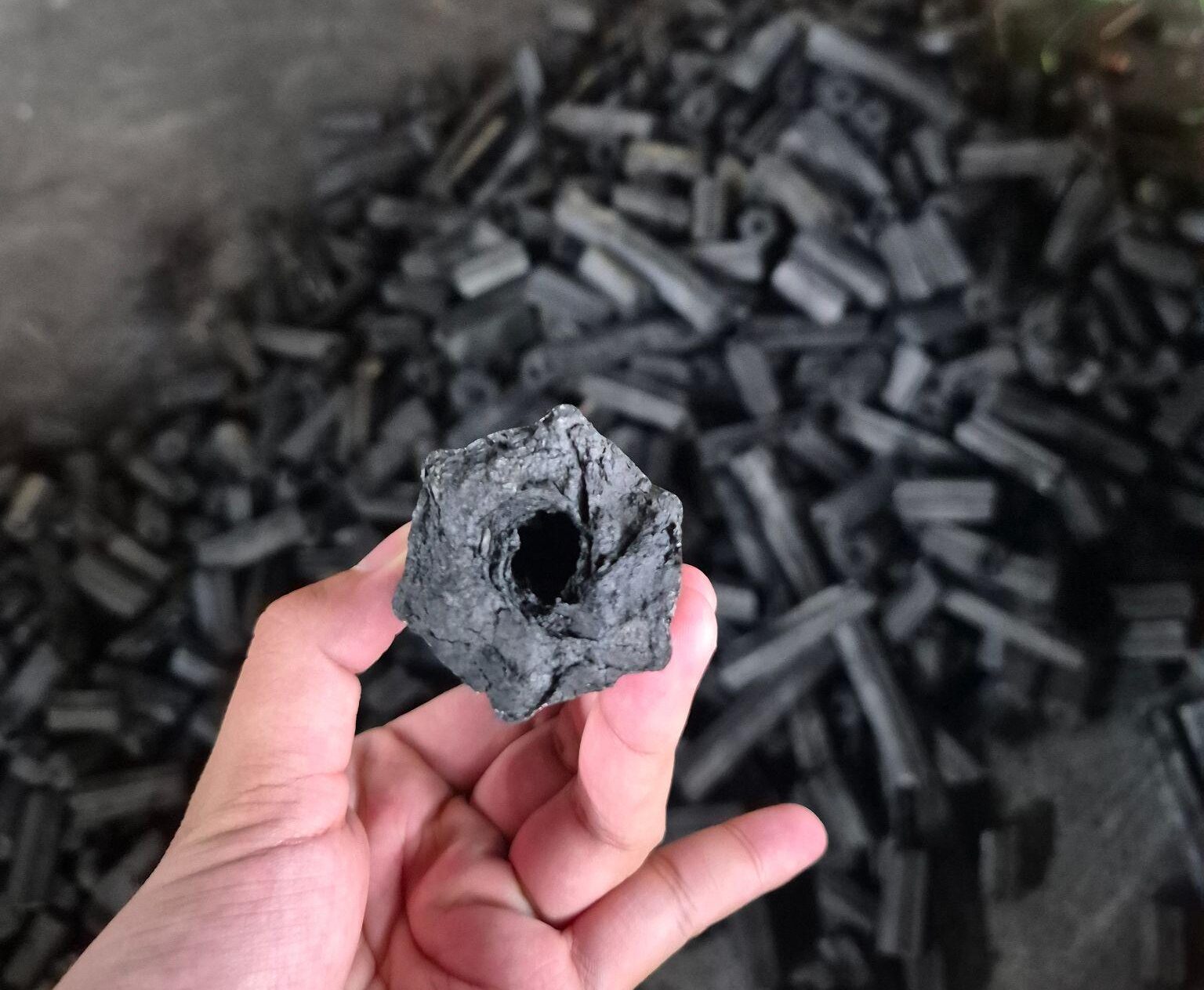
Optimizing Coal Stacking for Smooth Oxygen Circulation
Forming your working charcoal beds into structured pyramid piles concentrates radiant heat inwards, reducing fuel burn-off rates during slow service windows. Understanding how to light mangrove charcoal and stack it correctly preserves thermal core temperatures while cutting total hourly fuel expenditure.
Monitoring Visual Ember Cues for Perfect Cooking Timing
Train kitchen staff to read heat levels by coal coloration, intense orange cores indicate high-heat searing readiness, whereas muted grey surfaces signal medium indirect heat suitable for delicate roasting. Tracking these thermal shifts visually streamlines kitchen pacing without constant thermometer checks.
Conclusion
Knowing how to light mangrove charcoal the right way — with proper ignition and steady airflow control — is the key to unlocking its exceptional heat output and clean, smoke-free burn. Equip your kitchen with natural starters, set up an efficient two-zone heat layout, and avoid common draft mistakes so your culinary team can hold rock-steady cooking temperatures and deliver unbeatable grilled flavor on every plate.
Contact Lamian Charcoal for product specifications, samples, and wholesale quotations of premium mangrove charcoal.
- Email: contact.charcoal@lamianglobal.com
- WhatsApp / Hotline: +84 812 036 789
- Website: https://lamiancharcoal.com/