Navigating FSC mangrove charcoal export regulations is critical for global buyers and traders seeking compliant supply chains. As environmental governance tightens, understanding legal documentation, FSC certification, and customs clearance ensures smooth international shipments. Here is everything you need to know to streamline your commercial trade.
Global Standards for Mangrove Charcoal Trade
Global markets enforce strict import standards to protect coastal ecosystems and combat illegal logging across international borders. Understanding international market requirements helps B2B buyers navigate timber legality frameworks, avoid severe customs penalties, and ensure seamless commercial distribution across key destinations like Europe, North America, and East Asia.
Key Legal Procedures for Mangrove Charcoal Export
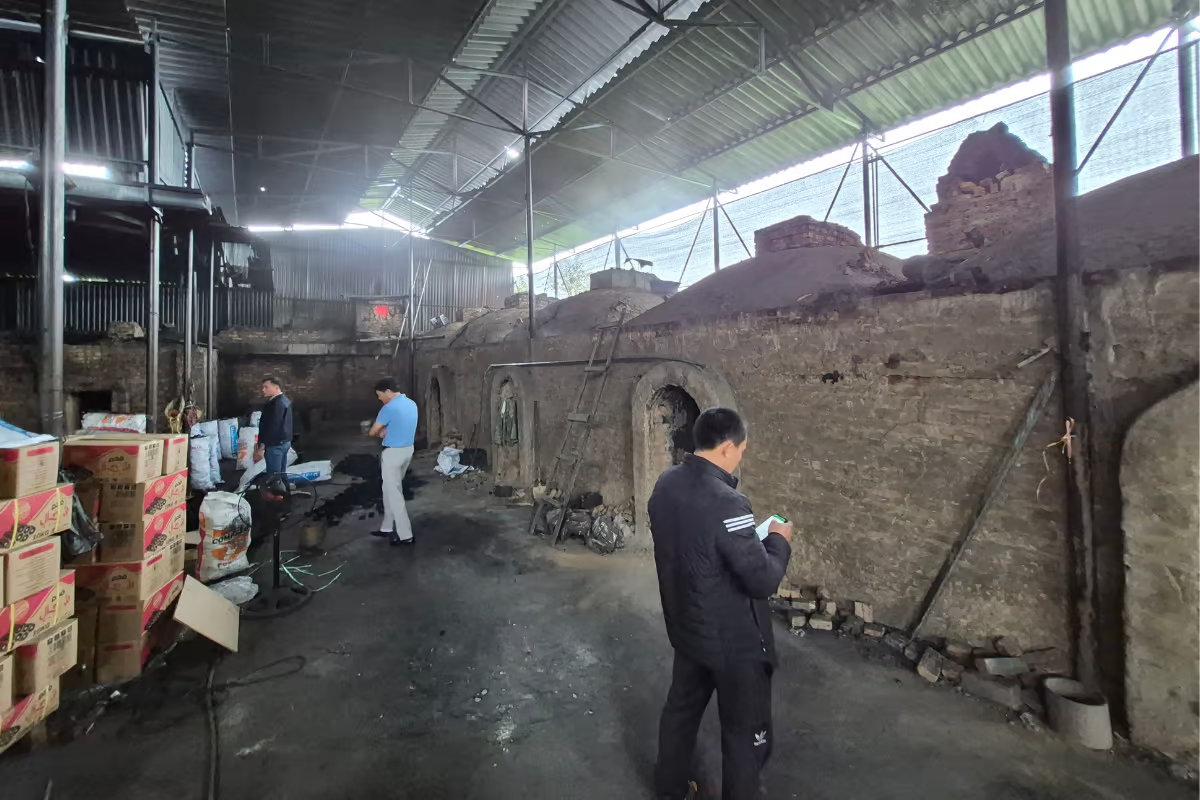
Meeting international trade compliance requires completing specific legal procedures before shipping goods overseas. The following core steps guarantee full regulatory compliance across domestic and international customs checkpoints.
Timber Legality and Origin Verification
Exporting legal mangrove charcoal demands complete trace-back documentation verifying that wood harvest strictly complies with national forestry laws. Exporters must produce official harvesting permits, land-use certificates, and transport licenses to prove the raw wood comes exclusively from legal commercial plantations rather than protected natural reserves. For any FSC mangrove charcoal export shipment, this documentation trail also underpins the FSC Chain of Custody claim, so buyers can independently verify the material’s legal origin at any point in the supply chain.
Customs Documentation and Clearance Requirements
Smooth customs clearance relies on meticulous paperwork including commercial invoices, packing lists, bills of lading, and certificates of origin. Ensuring complete forestry clearance upfront prevents unexpected cargo holds, port demurrage fees, or total cargo confiscation at border checkpoints. Exporters handling FSC mangrove charcoal export shipments should also keep digital copies of every certificate on file, since customs authorities in different countries may request supplementary verification during random inspections.
CITES Regulations and Environmental Compliance
Because certain mangrove tree species fall under CITES protection lists, exporters must verify whether their product requires specific species permits. Securing valid CITES export permits or official non-CITES exemption certificates prevents international trade violations and protects your shipment from severe border seizures. This step is especially critical for FSC mangrove charcoal export operations, since combining FSC accreditation with proper CITES clearance gives overseas buyers confidence that the product meets both sustainability and legal trade standards.
MSDS and Dangerous Goods Declarations
Charcoal is classified under international shipping rules as potential self-heating hazardous cargo, requiring comprehensive safety documentation before loading. Ocean carriers require a valid Material Safety Data Sheet (MSDS) alongside a certified Weathering Certificate and Vanning Inspection Certificate to verify cargo safety. Overlooking any of these documents can delay an otherwise fully compliant FSC mangrove charcoal export shipment, so exporters should coordinate closely with their freight forwarder to confirm all safety paperwork is complete before the vessel departs.
FSC Certification Framework for Mangrove Charcoal Exports
Securing FSC certification verifies that your FSC mangrove charcoal export originates from responsibly managed forests and traceable processing facilities. Understanding this framework allows commercial partners to maintain total transparency throughout every stage of production.
FSC Chain of Custody (CoC) vs. Forest Management
FSC Forest Management certification validates that raw timber is harvested sustainably, while FSC Chain of Custody (CoC) tracks wood material through processing, packaging, and export. Overseas buyers sourcing FSC mangrove charcoal export shipments must ensure their suppliers hold a valid FSC CoC code to legally claim FSC status on commercial invoices and retail packaging.
Step-by-Step FSC Export Certification Process
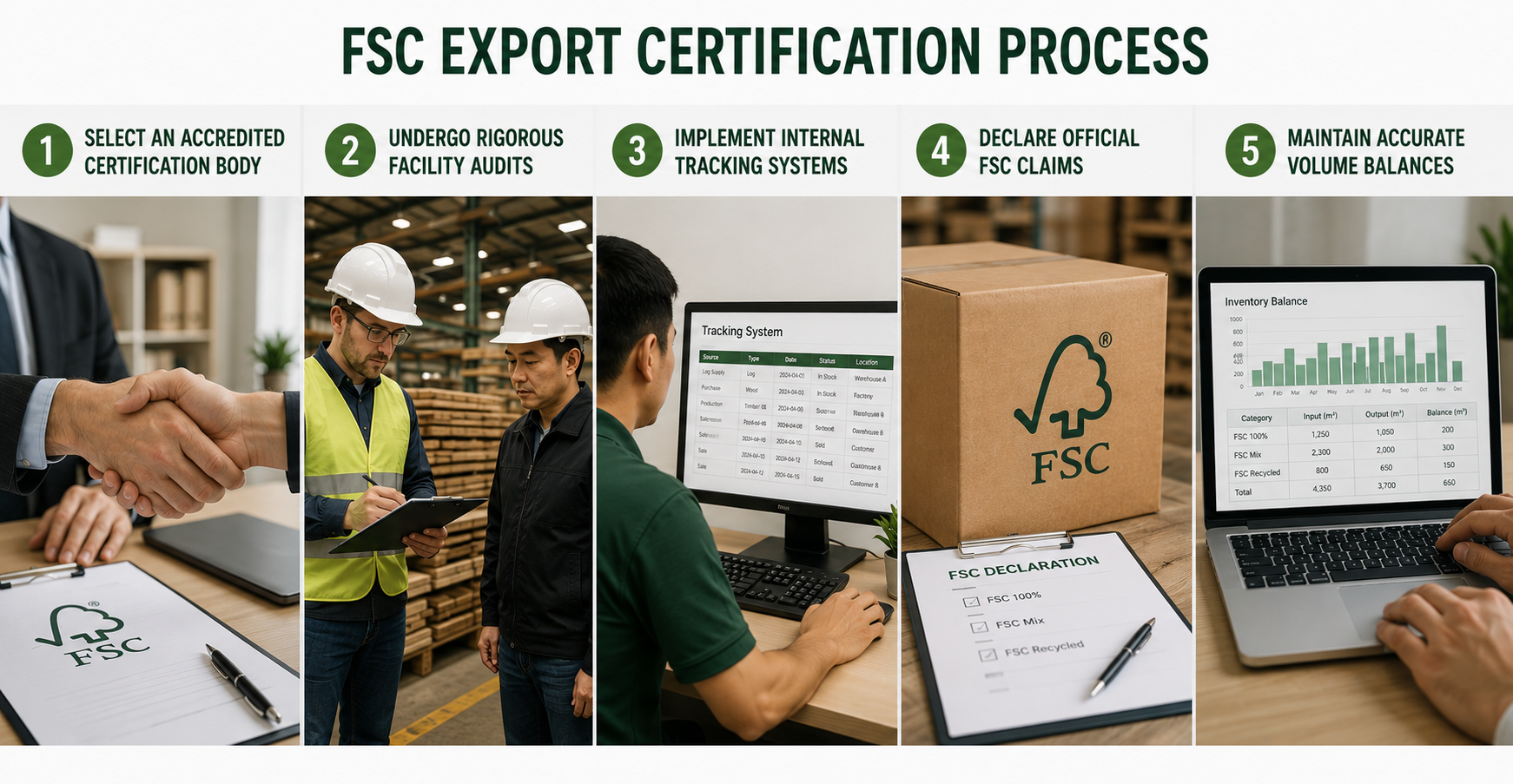
Obtaining and maintaining FSC certification for export follows a structured, multi-step process:
- Step 1 – Select an Accredited Certification Body: Choose an independent FSC-accredited auditing agency to initiate the formal certification application.
- Step 2 – Undergo Rigorous Facility Audits: Pass comprehensive on-site inspections evaluating factory operations, chain of custody procedures, and labor standards.
- Step 3 – Implement Internal Tracking Systems: Establish robust physical and digital monitoring to separate certified timber from non-certified raw materials throughout processing.
- Step 4 – Declare Official FSC Claims: Include valid FSC certificate codes and proper claim declarations on all commercial invoices, packing lists, and bills of lading.
- Step 5 – Maintain Accurate Volume Balances: Keep precise input/output inventory logs to ensure raw material volume matches final export outputs.
Maintaining Supply Chain Audit Compliance
FSC certification requires annual surveillance audits to ensure ongoing operational compliance across all processing sites. Maintaining clear digital records, batch tracking codes, and verified subcontractor documentation guarantees your export operations pass annual reviews without administrative disruptions.
Managing Supply Chain Risks in International Charcoal Logistics
Maritime logistics for solid fuels require active risk management to prevent physical damage and legal issues during transport. Implementing proper safety protocols protects your financial investment and keeps delivery timelines on schedule.
Preventing Shipment Seizures and Port Delays
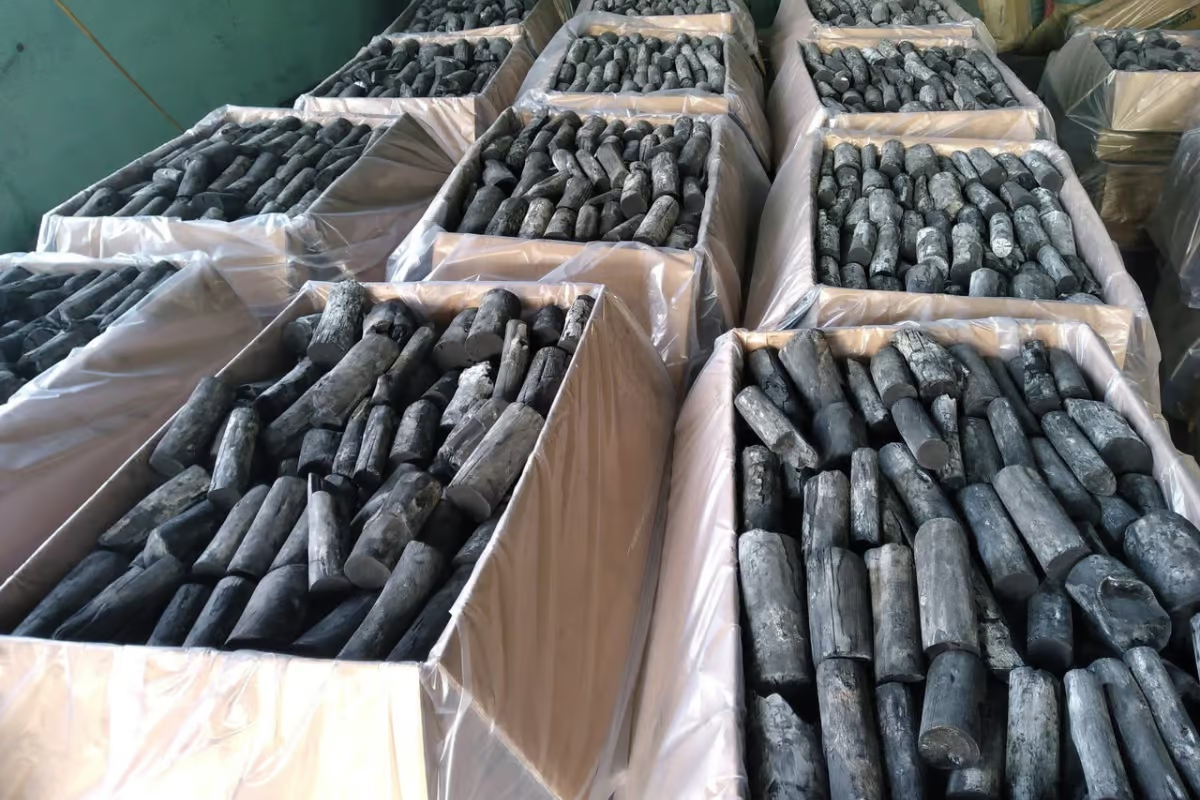
Port delays in FSC mangrove charcoal export shipments typically occur due to conflicting wood species declarations or missing origin documents between export and import filings. Partnering with experienced export logistics specialists who pre-audit all paperwork eliminates documentation gaps and keeps container shipments moving efficiently through customs.
Self-Heating Cargo and Container Safety Rules
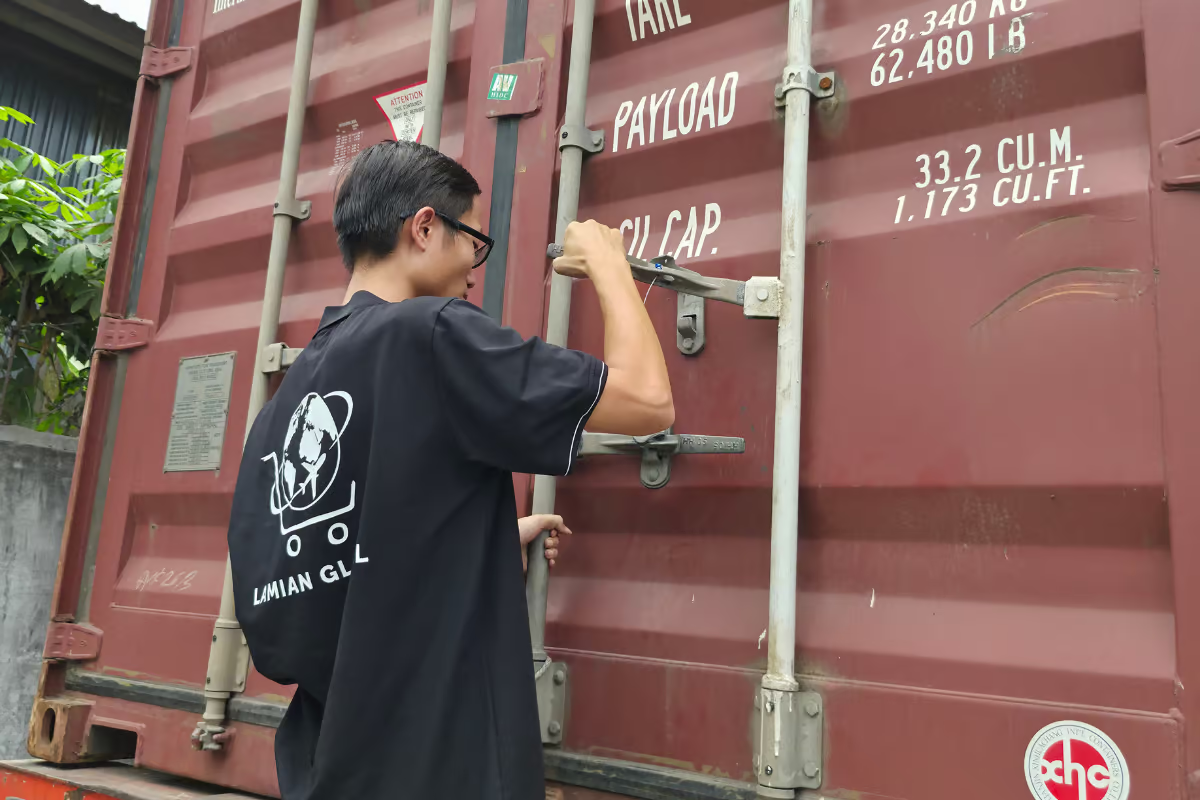
Charcoal must undergo proper cooling and weathering processes at the factory before container loading to mitigate self-heating risks. Shipping lines require strict adherence to IMDG Code packing rules, including temperature monitoring checks and proper air circulation space inside sealed containers.
Navigating Tariffs and Regional Trade Policies
International tariffs and import duties on wood charcoal vary significantly based on trade agreements and country of origin. Leveraging applicable free trade agreements and ensuring correct Harmonized System (HS) code classification optimizes tariff rates and lowers total landed costs for commercial buyers.
Protecting Brand Equity via Sustainable Sourcing
Sustainable procurement safeguards enterprise brands from legal liabilities and strengthens customer trust in highly competitive markets. Adopting responsible supply chain practices builds long-term commercial value and market credibility.
Meeting ESG Commitments for Enterprise Buyers
Global restaurant chains and commercial distributors increasingly enforce strict Environmental, Social, and Governance (ESG) standards across their procurement operations. Sourcing fully certified mangrove charcoal directly supports corporate sustainability targets, reduces supply chain carbon footprints, and satisfies growing consumer demand for eco-conscious products.
Building Long-Term Verified Supplier Partnerships
Establishing direct relationships with verified manufacturers ensures consistent product quality, stable pricing structures, and guaranteed legal compliance. Long-term supplier partnerships protect commercial chains from sudden market disruptions and guarantee uninterrupted container deliveries during peak operational seasons.
Streamline Your FSC Mangrove Charcoal Supply Chain
Mastering FSC mangrove charcoal export requirements and legal trading procedures is essential for building a reliable, risk-free international supply chain. Working with verified manufacturers who hold complete legal clearances, safety certifications, and FSC accreditation guarantees smooth customs processing, protects your enterprise brand equity, and secures stable container supply for your long-term business growth. By partnering with Lamian Global, you can stabilize fuel costs, elevate food presentation, and streamline container procurement for your restaurant chain. Contact our B2B Export Team today to request factory-direct FOB/CIF pricing, schedule a virtual facility audit, or order a complimentary sample test kit for your culinary team.
- Company: Lamian Global
- Headquarters: 47 Street 36, Van Phuc Residential Area, Hiep Binh Ward, Ho Chi Minh City, Vietnam, 700000
- Hotline / WhatsApp / Commercial Line: +84 812 036 789
- Email: contact.charcoal@lamianglobal.com
- Website: https://lamiancharcoal.com/