Sustainable mangrove charcoal production balances commercial requirements with regenerative forestry practices to protect vulnerable coastal ecosystems. As corporate buyers prioritize eco friendly mangrove charcoal solutions, adopting mangrove reforestation charcoal models guarantees reliable high-performance fuel while active sustainable hardwood charcoal practices preserve coastal biodiversity
Overview of Sustainable Mangrove Charcoal Production
Modern commercial fuel supply chains increasingly rely on sustainable mangrove charcoal production to combine high calorific output with environmental stewardship. Responsible producers harvest wood from strictly managed coastal forestry zones rather than clear-cutting natural habitats. This ethical approach ensures a continuous supply of dense hardwood fuel while preserving essential coastal ecosystems, meeting global sustainability standards without sacrificing industrial burning performance.
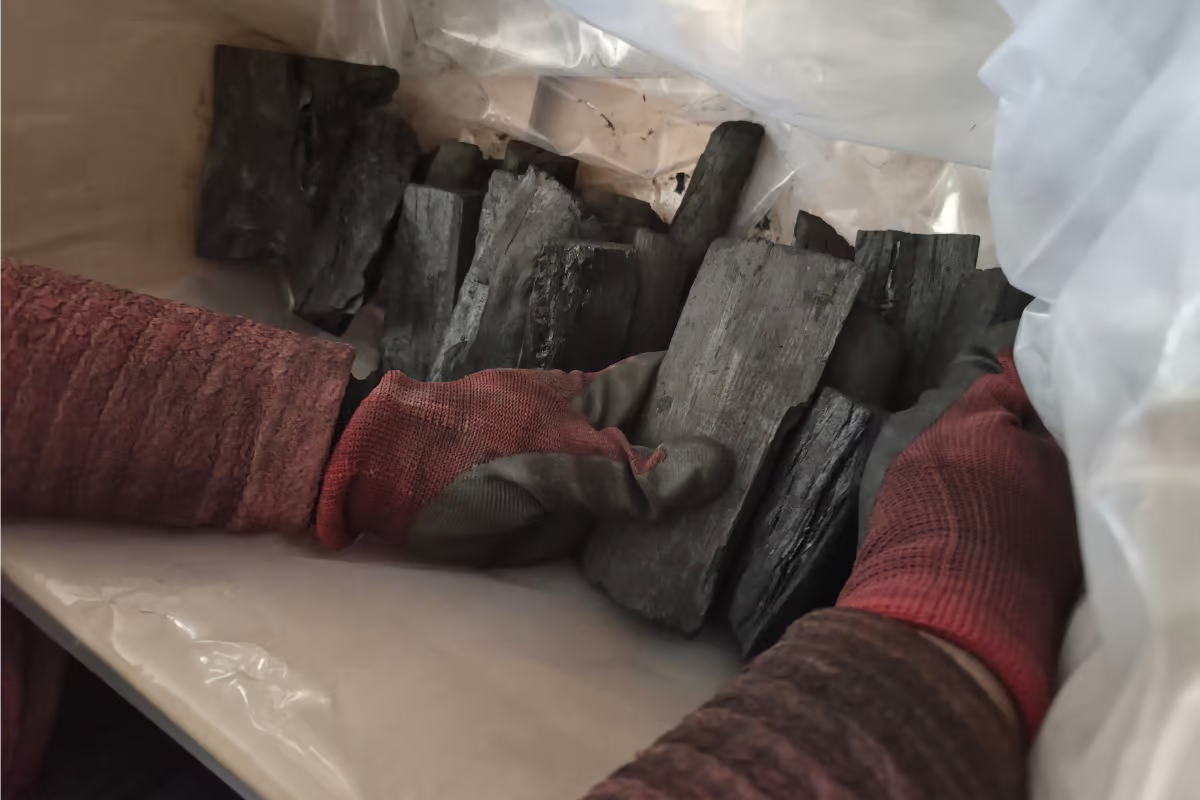
Core Reforestation Models in Regenerative Forestry
Structured reforestation models form the backbone of sustainable forestry by ensuring continuous canopy regeneration and habitat stability. These structured approaches balance resource extraction with proactive ecological restoration across managed coastal zones.
Rotational Harvesting Cycles for Forest Recovery
Rotational harvesting cycles are a core part of sustainable mangrove charcoal production, dividing forest concessions into distinct blocks and allowing logged areas extended recovery periods of up to two decades before subsequent harvests. This systematic rotation ensures mature trees replenish naturally, maintaining healthy biomass levels and continuous timber yields for charcoal production.
Community-Led Sapling Planting Programs
Engaging local coastal communities in structured sapling planting initiatives is central to sustainable mangrove charcoal production, fostering direct stewardship over mangrove conservation projects. Local workers plant native mangrove species along vulnerable coastlines, creating resilient forest barriers that support both ecological health and stable local economic livelihoods.
Selective Cutting Practices to Protect Coastal Soil
Selective cutting techniques are a key practice in sustainable mangrove charcoal production, targeting only mature trees meeting specific size criteria while leaving juvenile trees and root systems fully intact. Preserving root structures stabilizes fragile shoreline sediments, prevents coastal erosion, and maintains sub-surface nutrient cycles essential for ongoing forest regeneration.
Environmental Benefits of Eco Friendly Mangrove Charcoal
Utilizing eco friendly mangrove charcoal provides crucial ecological advantages that extend far beyond carbon neutral fuel consumption. Protecting and expanding mangrove habitats safeguards coastal defense systems and vital marine biomes worldwide.
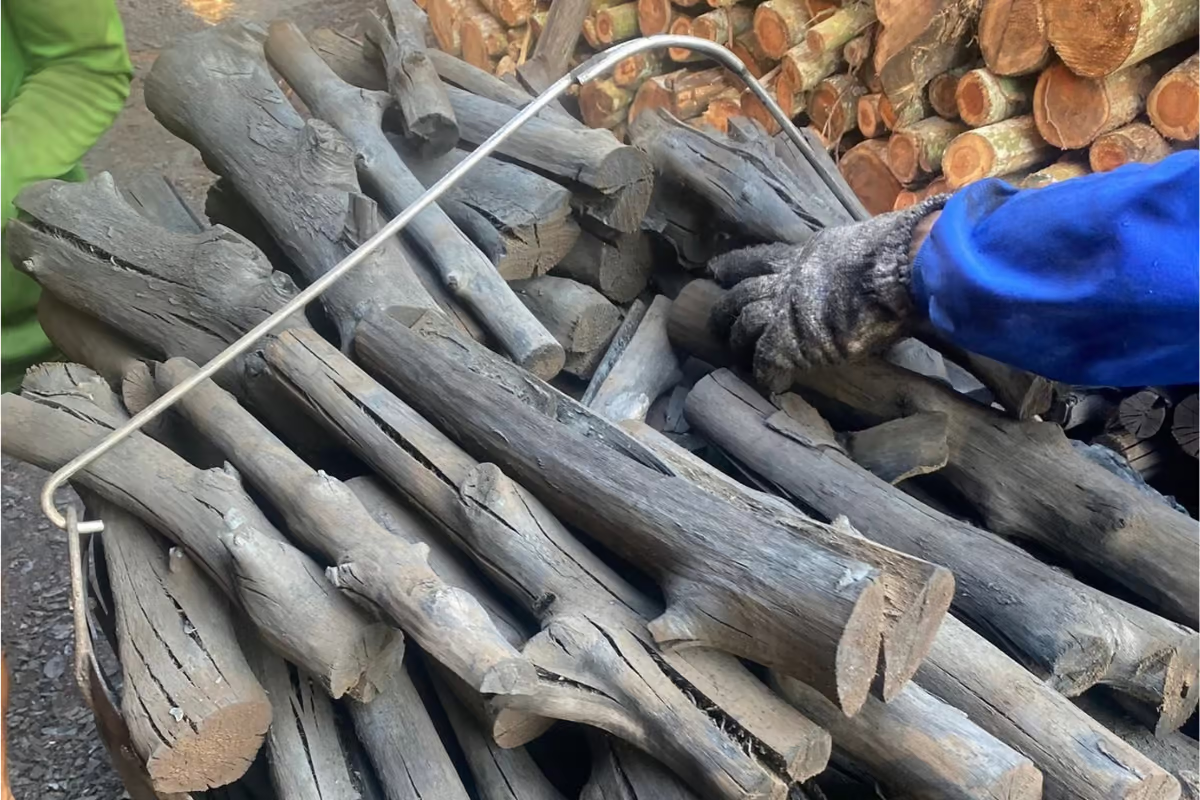
Carbon Sequestration Capacity in Mangrove Ecosystems
Mangrove forests sequester significantly higher amounts of carbon per hectare than terrestrial tropical forests, storing carbon safely within sub-surface coastal soils. Responsible harvesting preserves these carbon sinks, ensuring that managed charcoal production actively supports global climate mitigation goals.
Coastal Protection and Erosion Control Mechanisms
Dense mangrove root networks act as natural storm surge barriers, absorbing wave energy and safeguarding coastal infrastructure from extreme weather events. Maintaining permanent forest cover through sustainable harvesting protects vulnerable shorelines against progressive tidal erosion and land loss.
Marine Biodiversity Conservation in Reforested Zones
Reforested mangrove habitats serve as critical nursery environments for marine species, juvenile fish, and diverse coastal wildlife. Sustainable forest management protects aquatic food chains, ensuring local fisheries remain productive while maintaining overall coastal ecosystem balance.
Manufacturing Quality of Sustainable Hardwood Charcoal
The inherent density of sustainable hardwood charcoal enables premium burning characteristics required by professional culinary operations. Controlled carbonization processes optimize wood properties to deliver clean, efficient, and consistent thermal performance.
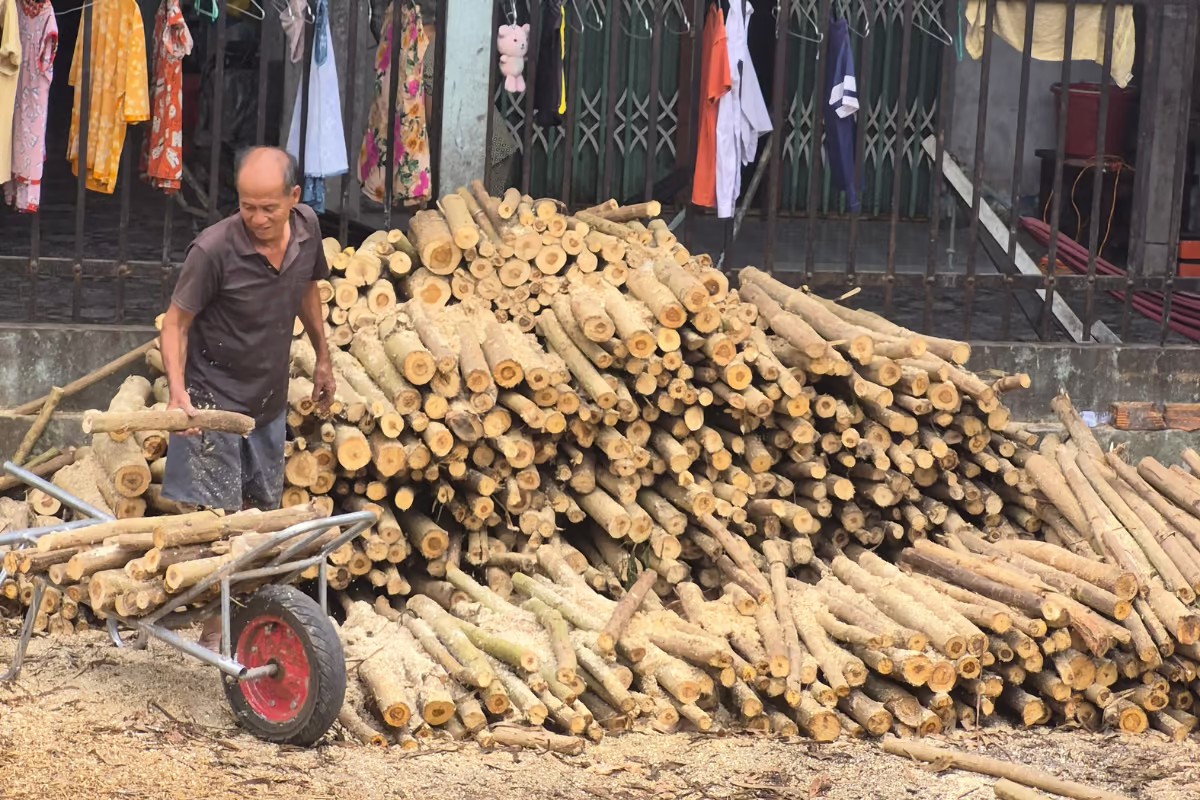
Controlled Carbonization Techniques for High Heat Output
Traditional brick and modern retort kilns carefully regulate oxygen flow and baking temperatures during the multi-day carbonization process. This precise thermal treatment converts raw hardwood into high-density fixed carbon, delivering intense, uniform heat essential for commercial grilling.
Long-Burning Performance and Minimal Smoke Emission
Properly carbonized mangrove charcoal burns at high temperatures for extended durations while producing minimal ash and virtually no smoke. These clean-burning qualities enhance commercial kitchen environments and provide steady, controllable heat for culinary precision.
Compliance with International B2B Export Standards
Export-grade mangrove charcoal undergoes thorough screening, moisture testing, and grading to comply with stringent international shipping and import regulations. Consistent quality controls guarantee that commercial buyers receive uniform fuel blocks free from uncarbonized raw material or excess dust.
Supply Chain Advantages of Mangrove Reforestation Charcoal
Integrating sustainable mangrove charcoal production into enterprise procurement networks secures long-term fuel supplies while minimizing regulatory compliance risks. Reliable sourcing models support corporate sustainability goals without disrupting operational continuity.
Long-Term Material Availability and Price Stability
Regenerative forestry models ensure a steady, predictable supply of raw timber, insulating commercial buyers from sudden supply shortages and market price spikes. Established harvest schedules provide long-term procurement security for international restaurant chains and industrial distributors.
Full Traceability from Managed Forests to Port
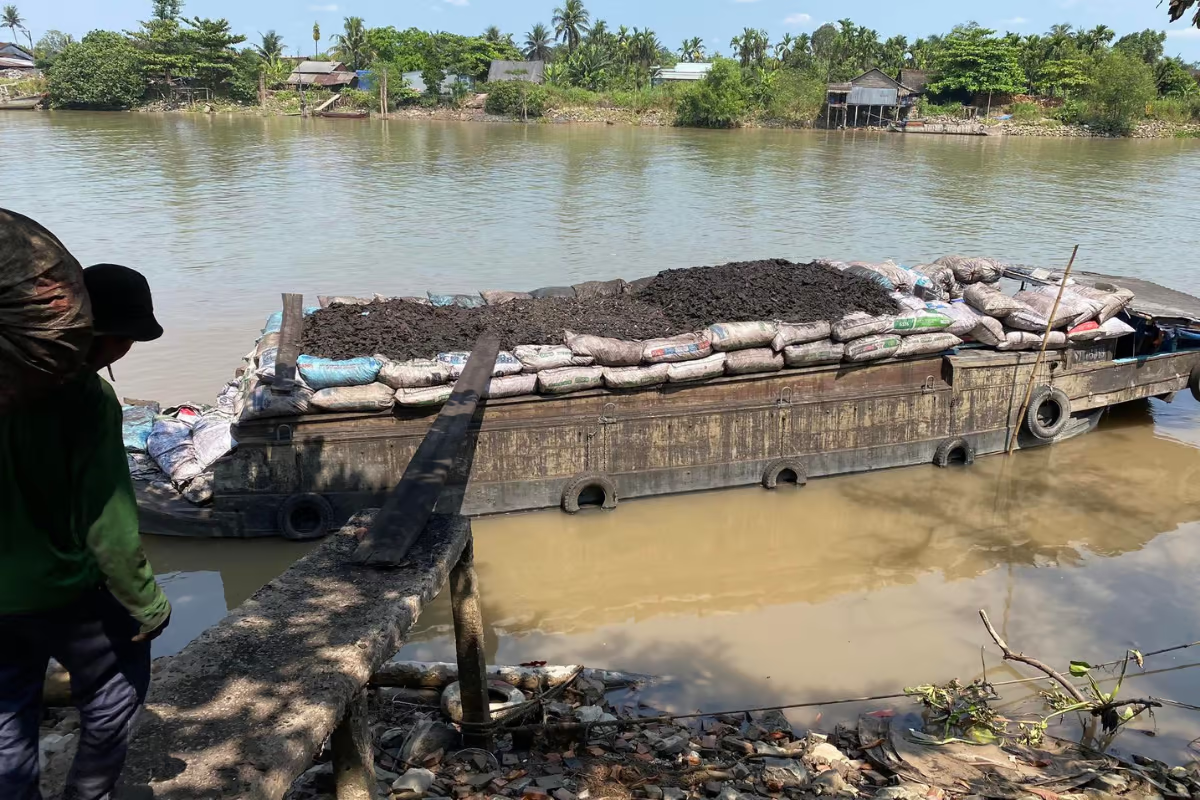
Robust supply chain tracking documents every batch of charcoal from its originating forestry concession to final container loading at the port. Transparent chain-of-custody documentation verifies legal harvesting, assuring buyers of complete ethical compliance across all procurement channels. Understanding the documentation requirements for an FSC mangrove charcoal export helps commercial importers streamline verification and reduce trade risks.
ESG Compliance Benefits for Commercial Charcoal Buyers
Sourcing certified sustainable charcoal allows hospitality brands to strengthen Environmental, Social, and Governance (ESG) reporting metrics. Transparent, eco-friendly procurement demonstrates genuine corporate responsibility, meeting growing consumer demand for environmentally ethical business practices.
Conclusion
Sustainable mangrove charcoal production successfully bridges the gap between commercial fuel demands and coastal ecosystem preservation. By adopting regenerative reforestation models, enterprise buyers secure reliable, high-performance hardwood charcoal while actively protecting coastal biodiversity.
Contact Lamian Charcoal for product specifications, samples and wholesale quotations of premium mangrove charcoal.
- Email: contact.charcoal@lamianglobal.com
- WhatsApp / Hotline: +84 812 036 789
- Website: https://lamiancharcoal.com/