Choosing the right charcoal is critical for restaurants, BBQ operators and commercial kitchens. It directly impacts heat stability, burn time, fuel cost and food quality. Two of the most popular high-performance options are mangrove charcoal from Southern Vietnam and coconut shell charcoal. Both are clean-burning and high in fixed carbon, yet they differ clearly in peak temperature, burn duration, ash level and ideal applications.
This practical guide compares mangrove charcoal vs coconut shell charcoal so professional buyers can choose the best fuel for their needs.
Overview of the Mangrove Charcoal vs Coconut Shell Charcoal
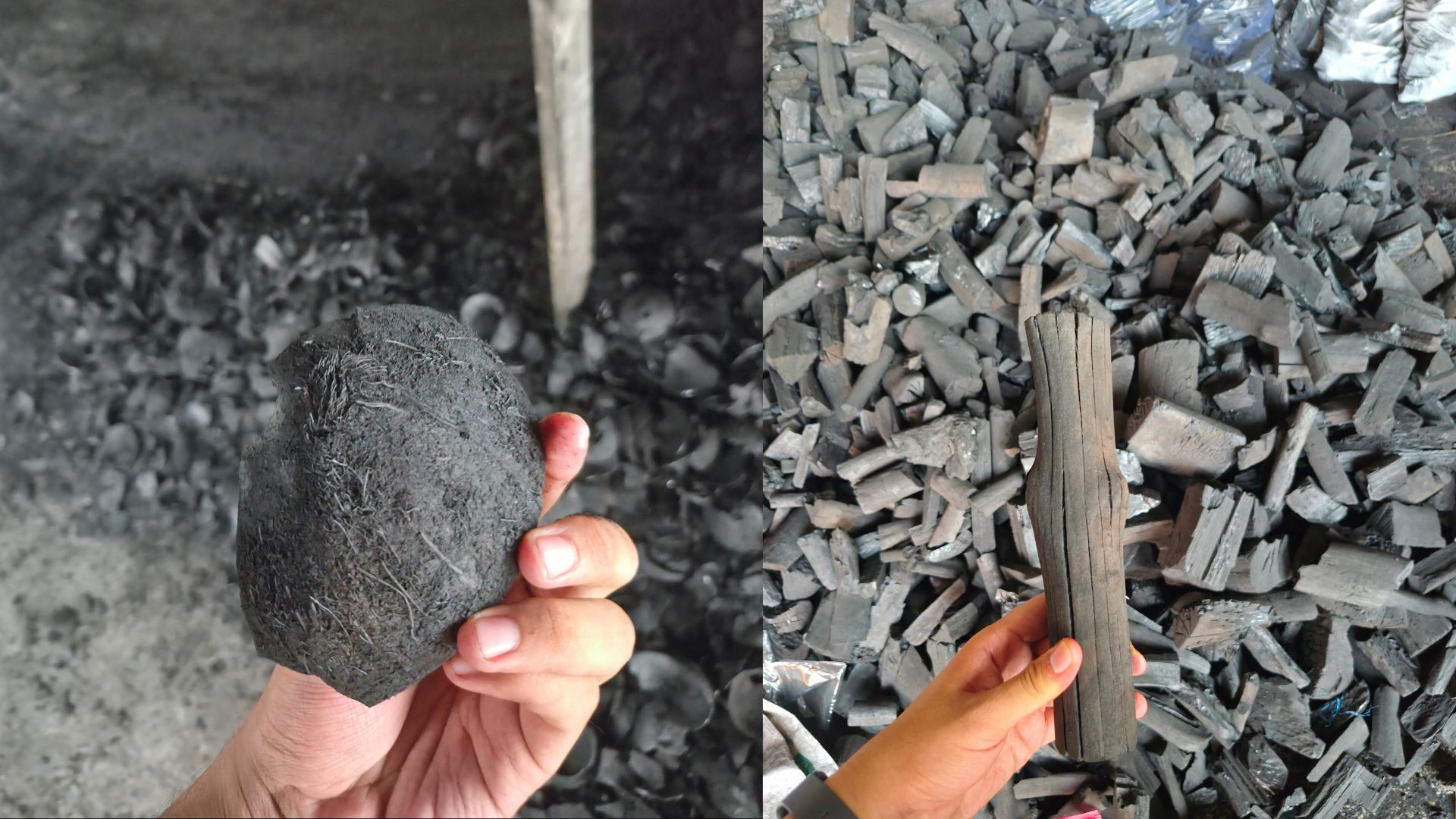
Mangrove charcoal is produced from dense mangrove hardwood. It is valued for strong, stable high heat and long burn times – making it a favorite among high-volume BBQ restaurants, steakhouses and yakiniku-style operations.
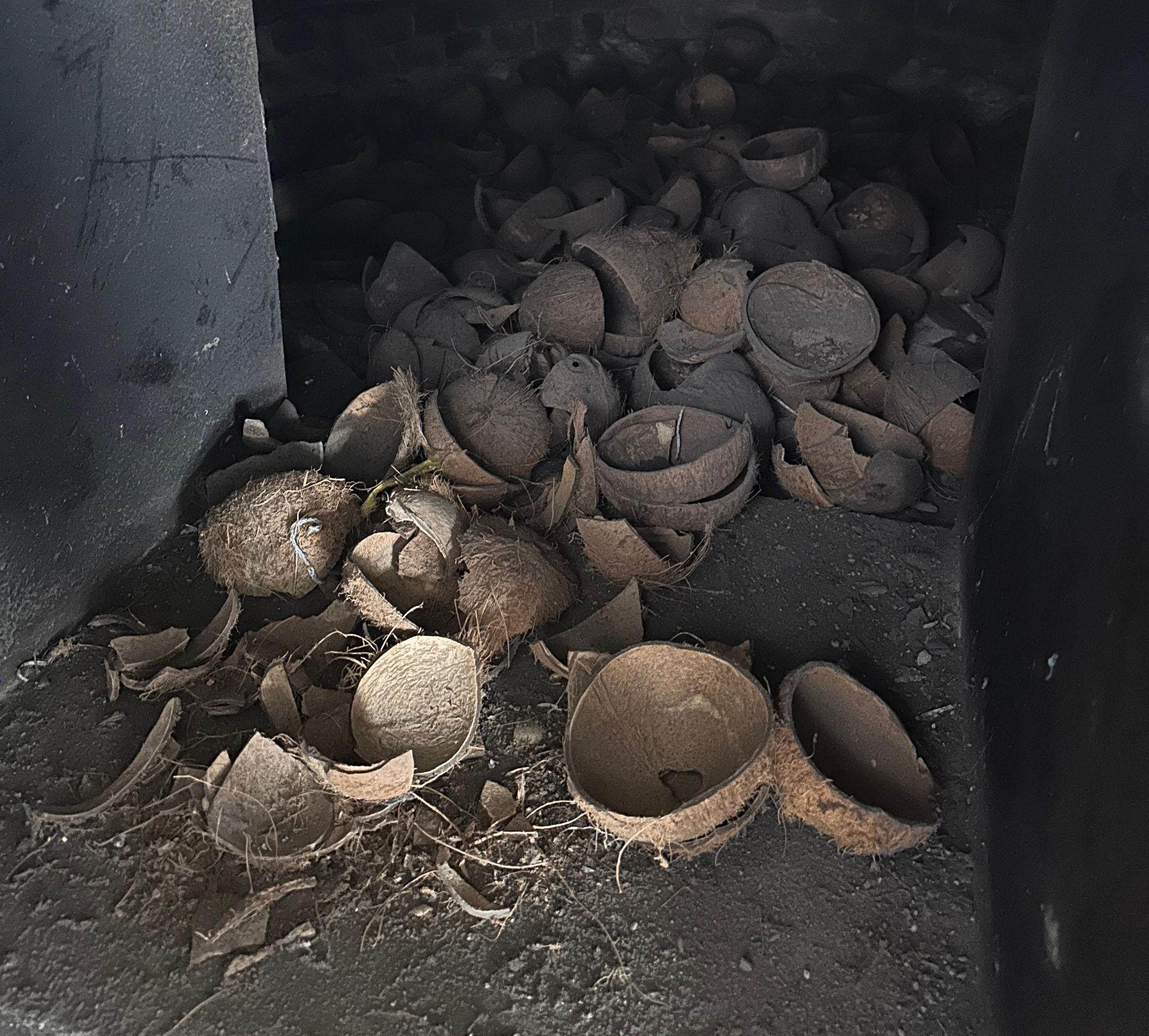
Coconut shell charcoal is made from coconut shells (an agricultural by-product). It is known for very low ash, nearly odorless combustion and excellent cleanliness – ideal for shisha, indoor grilling and dishes that require maximum flavor neutrality.
Explore our premium mangrove charcoal – strong heat, long burn, trusted by pro kitchens.
Key Differences: Mangrove Charcoal vs Coconut Shell Charcoal
The performance gap becomes clear when comparing core technical parameters side by side.
| Parameter | Mangrove Charcoal |
Coconut Shell Charcoal
|
| Raw Material | Dense mangrove hardwood |
Coconut shells (agricultural by-product)
|
| Structure | Very dense hardwood |
Dense, hard shell-based
|
| Fixed Carbon | High (typically 75–85%+) |
High (typically 75–85%+)
|
|
Peak Temperature
|
High and stable (can reach ~850–900°C) |
High, generally slightly lower peak
|
| Burn Time | Longer (commonly 3.5–4.5+ hours) |
Good (commonly 2–3.5 hours)
|
| Ash Content | Low | Very low |
| Smoke & Odor | Low |
Very low / nearly odorless
|
|
Flavor Contribution
|
Subtle traditional charcoal character | Highly neutral |
|
Best Applications
|
Professional BBQ, restaurants, long service |
Shisha, indoor grilling, delicate flavors
|
| Sustainability | Depends on responsible sourcing |
Strong (waste upcycling)
|
Note: Actual performance depends on charcoal grade, size, moisture content, packing density and how the fire is managed.
Heat Output and Temperature Stability
Premium mangrove charcoal is valued for its ability to reach and maintain high temperatures (often cited in the 850–900°C range under optimal conditions). The dense hardwood structure retains heat well, making it easier to keep a consistent cooking zone during long service hours.
Coconut shell charcoal also produces strong heat and is more than adequate for most grilling tasks. However, its peak temperature and heat retention are generally slightly lower than top-grade mangrove charcoal. For operations that need rapid searing and sustained high heat (steakhouses, high-volume BBQ), mangrove usually has the advantage.
Burn Time and Operational Efficiency
Burn time is one of the most practical differences for commercial kitchens.
Because of its density, high-quality mangrove charcoal typically burns longer – often 3.5 to 4.5 hours or more under proper conditions. This reduces the frequency of refueling, lowers labor interruption and can improve overall fuel efficiency in busy restaurants.
Coconut shell charcoal burns cleanly but usually requires more frequent topping-up. Many operators find it excellent for shorter sessions or when ultra-low ash is the priority.
Ash Content, Smoke and Flavor Profile
Both fuels are considered clean-burning when properly produced.
- Coconut shell charcoal generally produces less ash and is almost odorless. This makes it ideal for indoor use, shisha and cooking styles that demand a completely neutral flavor.
- Mangrove charcoal has low ash and low smoke, but can contribute a subtle, traditional charcoal character that many professional grill chefs prefer for steaks, ribs and grilled meats.
Sustainability Considerations
Coconut shell charcoal has a clear circular-economy advantage: It is made from an abundant agricultural by-product.
Mangrove charcoal’s environmental impact depends heavily on sourcing practices. Responsible producers in Southern Vietnam work with controlled or managed mangrove resources and apply strict quality and traceability standards. Buyers who prioritize sustainability should request documentation on origin, harvesting practices and any relevant certifications. When sourced responsibly, mangrove charcoal remains a high-performance option demanded by professional markets worldwide.
Which Charcoal Should You Choose?
The right choice depends on your specific cooking style, service volume, flavor goals and operational priorities. Use the practical guidelines below to match each type of charcoal to your needs.
Choose mangrove charcoal if you need:
- Long, stable high heat for professional BBQ and restaurant service
- Reduced refueling frequency
- Strong heat retention for searing and long cooking sessions
- A traditional charcoal flavor profile preferred by many grill chefs
Choose coconut shell charcoal if you prioritize:
- Ultra-low ash and nearly odorless combustion
- Indoor grilling or shisha applications
- Maximum flavor neutrality
- Strong sustainability credentials from waste upcycling
Many professional buyers actually use both grades depending on the specific menu, customer segment and kitchen setup.
Quality Control Matters More Than the Type of Charcoal
Regardless of whether you choose mangrove or coconut shell charcoal, consistency between batches is critical for commercial operations. Reliable exporters focus on:
- Strict control of raw material moisture and density
- Standardized carbonization processes
- Laboratory verification of key parameters (fixed carbon, ash, moisture)
- Careful sorting by size and final inspection before packing
- Flexible packaging options (PP bags, kraft paper bags, cartons) and full OEM service
These practices ensure the performance you test in samples is the same performance you receive in bulk shipments.
Frequently Asked Questions
Below are clear answers to the questions professional buyers most often ask when comparing mangrove charcoal and coconut shell charcoal for commercial use.
Is mangrove charcoal better than coconut shell charcoal for restaurants?
For high-volume professional BBQ that needs long, stable high heat (up to 900°C), mangrove charcoal is usually preferred. Coconut shell charcoal is better when ultra-low ash and minimal odor are the top priorities.
Does mangrove charcoal burn longer than coconut shell charcoal?
Yes. Premium mangrove charcoal typically offers extended burn times of 3.5–4.5 hours or more thanks to its dense hardwood structure.
Is coconut shell charcoal more eco-friendly?
Yes, because it is made from agricultural waste. Mangrove charcoal’s sustainability depends on responsible forest management and sourcing practices.
What packaging options are available for mangrove charcoal?
Common options include PP woven bags, kraft paper bags, carton boxes and full OEM packaging with custom printing.
Conclusion
Mangrove charcoal vs coconut shell charcoal each serves distinct professional needs. Mangrove charcoal from Southern Vietnam stands out with its dense hardwood structure, high fixed carbon, stable temperatures up to 900°C and extended burn time – making it the preferred choice for many BBQ restaurants and high-volume grilling operations. Coconut shell charcoal offers excellent cleanliness and strong sustainability credentials.
Choose according to your heat requirements, service duration and market priorities. For consistent, export-ready mangrove charcoal with full quality control and flexible packaging, partner with a professional Vietnamese exporter.
Ready to choose the right charcoal for your business?
Contact Lamian Charcoal for product specifications, samples and wholesale quotations of premium mangrove charcoal and other high-performance charcoal from Vietnam.
- Email: contact.charcoal@lamianglobal.com
- WhatsApp / Hotline: +84 812 036 789
- Website: https://lamiancharcoal.com/