In authentic yakitori, charcoal is more than fuel – it is a key ingredient that shapes flavor, texture and consistency. Professional chefs worldwide favor high-quality Binchotan (white charcoal) for its dense structure, nearly smokeless burn, stable radiant heat and ability to lock in natural juices. This guide explains the technical reasons behind that preference and how the right Binchotan elevates every skewer.
What Makes Binchotan the Gold Standard for Yakitori Grilling?
Binchotan, also known as white charcoal, stands apart because of its exceptional purity and physical structure.
High Fixed Carbon Content (90-95%+) and Dense Structure
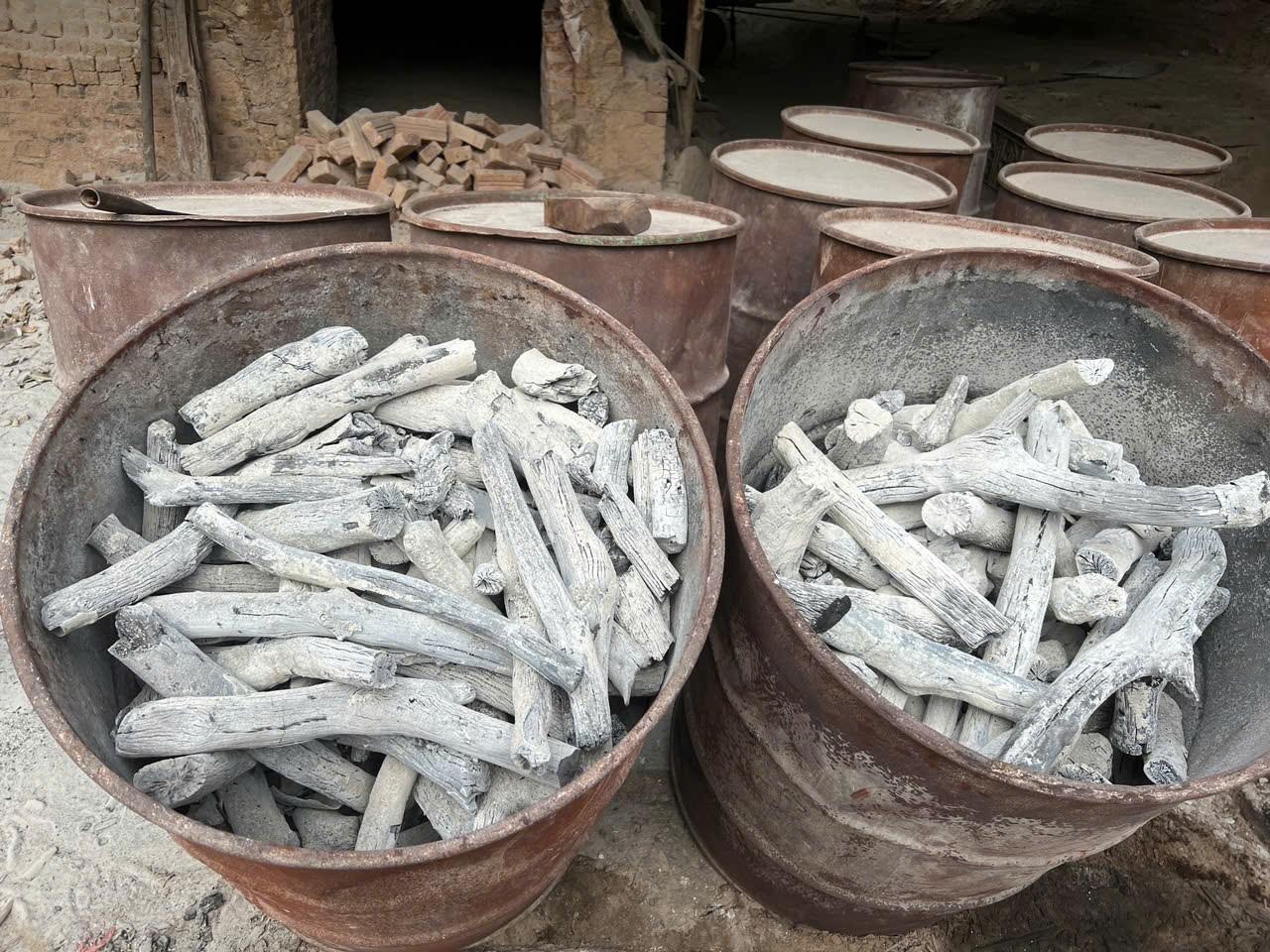
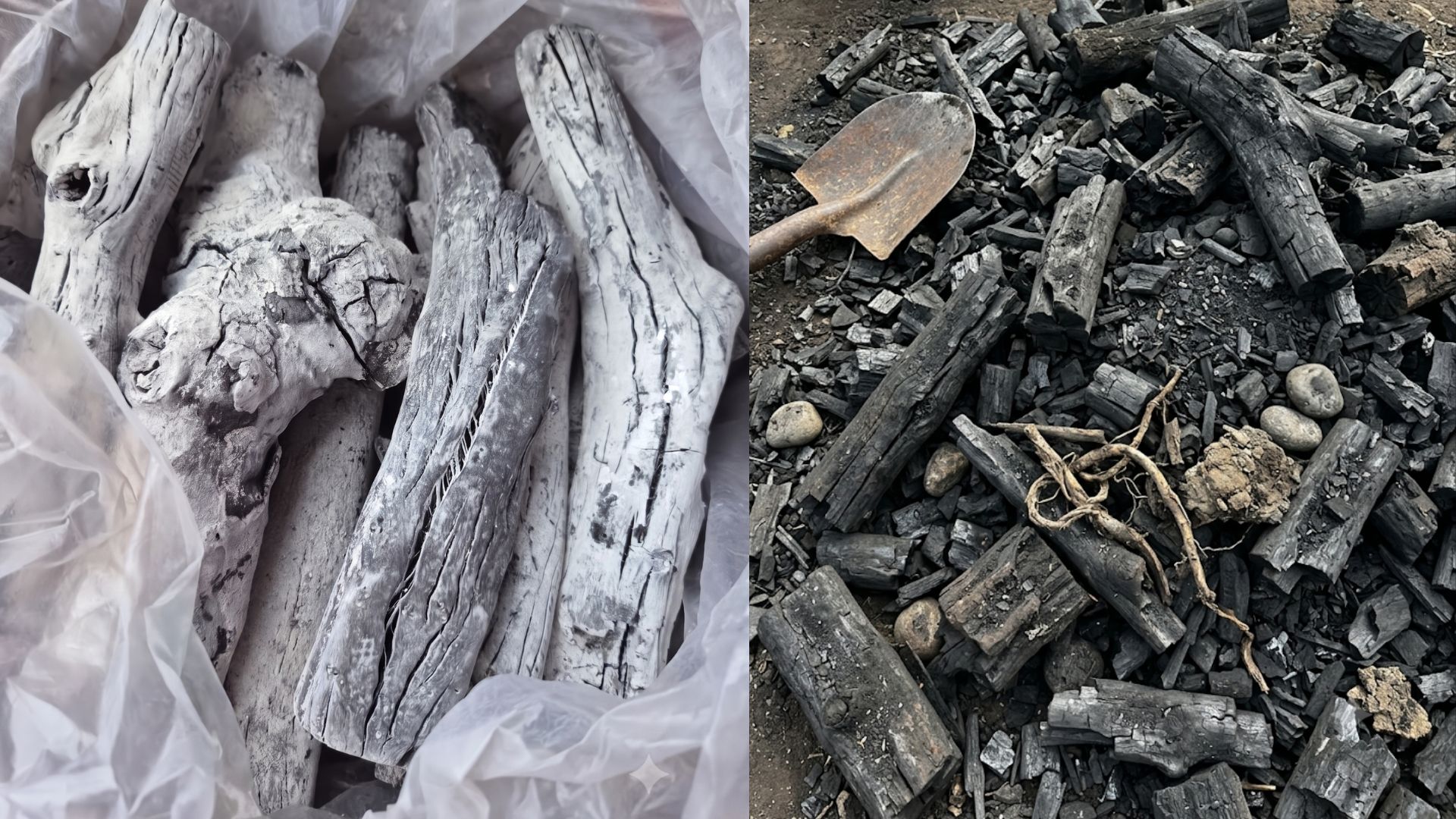
Premium Binchotan is produced from dense hardwoods through high-temperature carbonization, often reaching 1,000–1,200°C. The result is charcoal with fixed carbon content commonly in the 90–95% range. This high carbon purity delivers intense, stable radiant heat with very few impurities. The dense structure also produces the characteristic metallic ring when struck – a traditional quality marker valued in professional kitchens.
Clean, Odorless and Almost Smokeless Burn
Because most volatile compounds are driven off during production, Binchotan burns with virtually no smoke or chemical odor. This allows the pure flavor of chicken, tare sauce and aromatics to come through clearly – an essential requirement for authentic yakitori.
The Advantage of Far-Infrared (FIR) Heat in Yakitori
Unlike gas or regular charcoal that relies heavily on convection (hot air), Binchotan emits a high proportion of far-infrared radiation.
- How FIR Creates the Umami Barrier and Locks in Natural Juices:
- Far-infrared energy is rapidly absorbed by the surface of the meat, promoting quick protein coagulation. This forms a tight surface barrier that helps seal in moisture, amino acids and natural juices.
- At the same time, the radiant heat penetrates several millimeters into the skewer, cooking the interior more evenly. The result is the classic yakitori texture: a lightly caramelized exterior and a juicy, tender interior.
- Better Maillard Reaction and Even Cooking: The clean, intense radiant heat accelerates the Maillard reaction, producing deeper browning and more complex flavor compounds without the interference of heavy smoke or chemical by-products.
Practical Advantages in Professional Kitchens
High-volume yakitori service demands consistency, control and efficiency.
- Stable burn and long duration (typically 4–6 hours): Once fully ignited, good Binchotan maintains a steady temperature for several hours with relatively little fluctuation. This reduces the need for frequent refueling during busy service.
- Fewer flare-ups, low ash and precise control: The dense structure and low volatile content mean fat drippings produce fewer flare-ups than regular charcoal. Ash production is also low, which keeps the grill cleaner and heat distribution more predictable. Chefs can fine-tune distance and airflow for precise control over each skewer.
- Consistency across long shifts: Stable radiant output helps kitchens deliver more repeatable results from skewer to skewer and shift to shift.
Binchotan vs Regular Charcoal, Gas and Briquettes
While many kitchens still use gas, electric or regular charcoal, the difference stands out when precision and pure flavor matter. The table below shows why professional yakitori chefs prefer high-quality Binchotan.
| Feature | Gas / Electric & Regular Charcoal |
Binchotan (White Charcoal)
|
|
Primary Heat Type
|
Convection + mixed radiant |
Dominant Far-Infrared (FIR)
|
|
Moisture Retention
|
Lower to Medium | High |
|
Smoke / Flare-ups
|
Moderate to High | Very low |
| Burn Stability | Variable |
Excellent (4–6 hours)
|
|
Flavor Interference
|
Possible fuel taste | Almost none |
| Best For | Everyday cooking |
Yakitori, professional kitchens
|
This comparison shows why many professional chefs consider well-made Binchotan the preferred charcoal when flavor purity and texture control are priorities.
Wood Selection and Production Quality Matter
Not all white charcoal performs equally. The density of the raw hardwood and the precision of the carbonization process determine the final results.
Why Wood Selection and High-Temperature Carbonization Matter
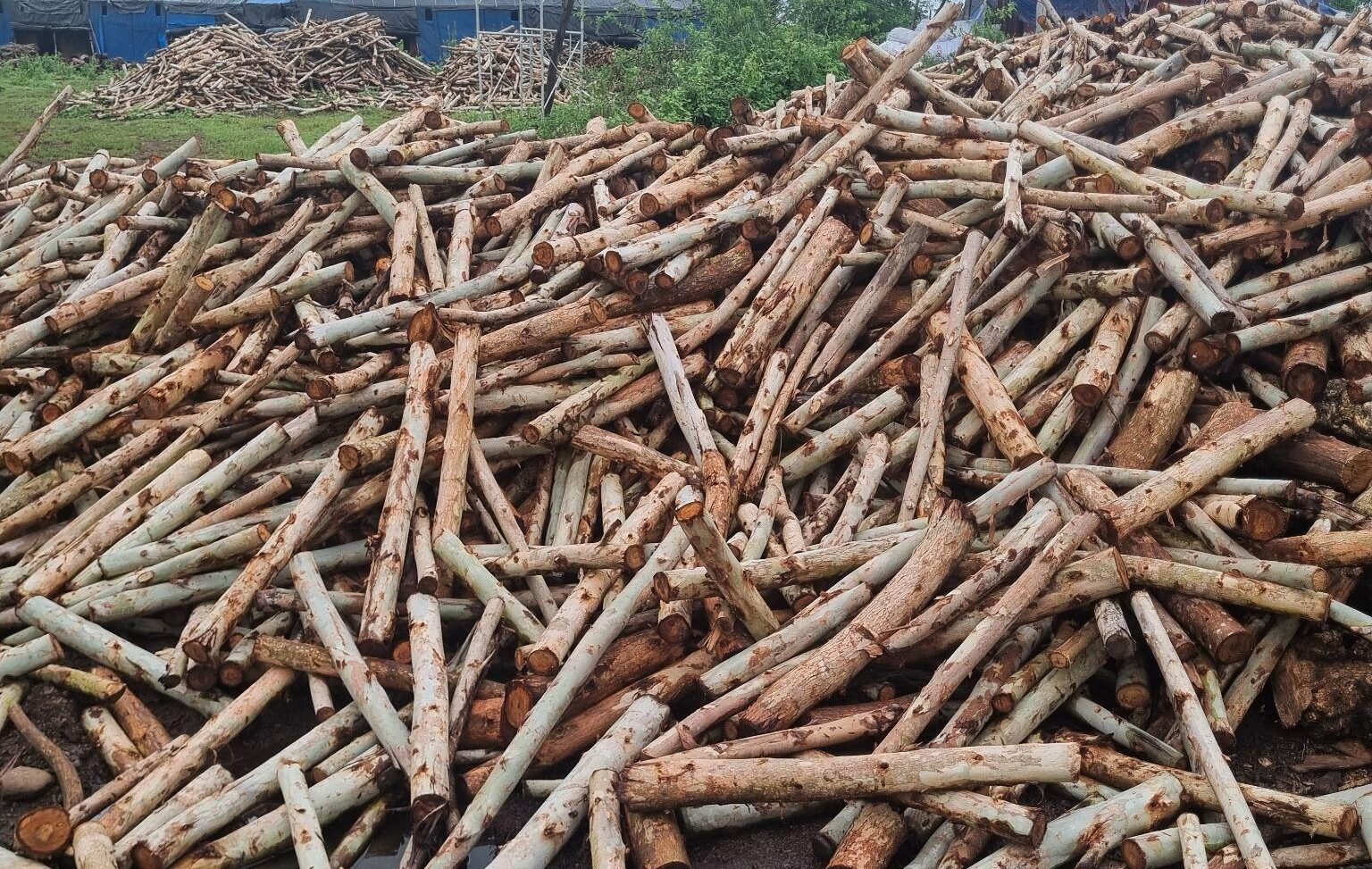
Dense hardwoods such as certain eucalyptus, lychee, acacia or traditional ubame oak produce stronger and more consistent far-infrared emission. High-temperature carbonization creates the dense structure and high fixed carbon necessary for sustained radiant performance.
Quality Indicators Professionals Look For
Experienced chefs and buyers check fixed carbon percentage, hardness (metallic ring), ash content and burn stability. These technical specifications separate restaurant-grade Binchotan from lower-density alternatives.
How Professional Teams Typically Use Binchotan
Chefs usually light Binchotan thoroughly until it reaches a steady glowing state. They maintain careful distance between the skewers and the charcoal bed, avoid overcrowding, and use the long, stable burn to manage both quick-searing items and slightly longer cooks. Proper airflow and spacing remain essential for consistent results.
Conclusion
Top yakitori chefs prefer high-quality Binchotan because it delivers superior control, pure natural flavor, better juice retention and more consistent results than conventional fuels. High fixed carbon content, dense hardwood structure and strong far-infrared radiant heat form the technical foundation of professional-grade yakitori.
Selecting well-processed, high fixed-carbon Binchotan is not a luxury – it is a performance decision.
Ready to supply your kitchen with restaurant-grade Binchotan?
Contact Lamian Charcoal for product specifications, samples and wholesale quotations of premium dense-hardwood white charcoal.
- Email: contact.charcoal@lamianglobal.com
- WhatsApp / Hotline: +84 812 036 789
- Website: https://lamiancharcoal.com/