What is mangrove charcoal is a fundamental question for restaurant owners and commercial kitchens seeking high-performance fuel for premium grilling. Derived from dense coastal wood species, natural mangrove charcoal delivers high calorific output, extended burn time, and exceptionally clean combustion for professional chefs worldwide.
1. What Is Mangrove Charcoal?
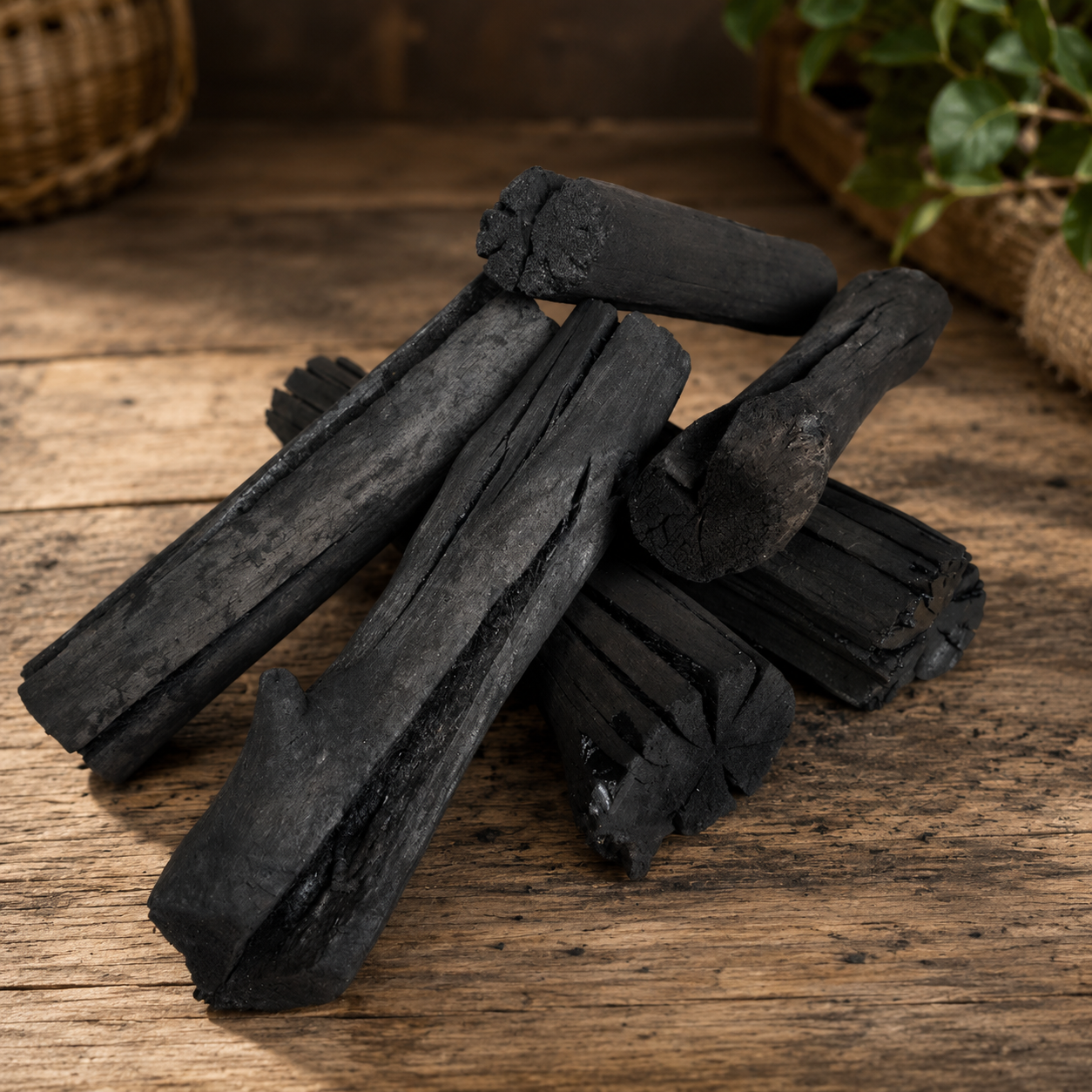
Mangrove charcoal is a premium lumpwood fuel crafted from dense coastal mangrove trees, primarily sourced from regions like Southern Vietnam through sustainable forestry practices. Known for its heavy wood density and solid structural integrity, this natural hardwood charcoal is produced via traditional slow-carbonization in oxygen-limited kilns to yield solid, dust-free chunks with high thermal efficiency. Because it contains zero synthetic binders or artificial chemical additives, it offers commercial culinary businesses an eco-friendly, 100% natural fuel source that burns hotter and cleaner than standard softwoods or industrial briquettes.
2. Key Physical Properties of Mangrove Charcoal
To fully understand what is mangrove charcoal and why it excels as a premium commercial fuel, it helps to examine its technical specifications. Below are the key physical properties defining its high quality.
2.1 High Fixed Carbon Content and Heat Output
Featuring a fixed carbon purity of approximately 78% and a high calorific value exceeding 7,000 Kcal/kg, mangrove charcoal generates intense, sustained heat required for heavy-duty commercial cooking. Its high density ensures a prolonged burn time, allowing commercial kitchens to maintain high grilling temperatures without frequent fuel replenishments.
2.2 Low Ash and Moisture Content
With an ash content strictly kept at 2% or lower and moisture content below 3%, mangrove charcoal optimizes combustion efficiency while minimizing cleanup. The exceptionally low moisture level prevents heat loss during ignition, while minimal ash production guarantees clean airflow throughout long cooking operations.
2.3 Smokeless, Spark-Free, and Odorless Combustion
Due to low volatile matter (around 17%) and full carbonization, natural mangrove charcoal produces virtually no smoke, foul chemical odors, or dangerous flying sparks during combustion. This clean-burning nature creates a safe, comfortable indoor environment for kitchen staff and indoor dining spaces.
3. Why It Is the Gold Standard for Commercial BBQ
Commercial kitchens rely on dependable heat sources to deliver consistent food quality during peak hours. Here are the main benefits that make mangrove charcoal the top choice for chefs.
3.1 Steady Heat for Steakhouses & Korean BBQs
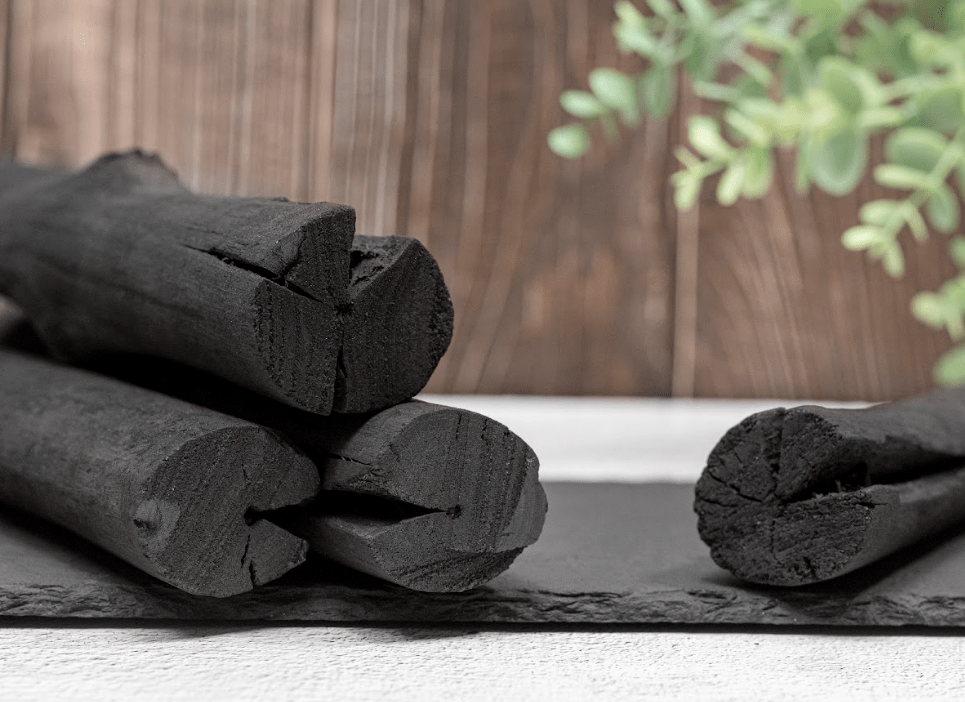
High-end steakhouses and Korean BBQ establishments demand intense, steady radiant heat to sear meats quickly while locking in natural juices. Mangrove charcoal provides a long-lasting, stable ember bed that eliminates unpredictable temperature spikes and cold spots during busy dining hours.
3.2 Pure Natural Flavor Preservation
Free from artificial additives or synthetic binding chemicals, mangrove charcoal emits a neutral, subtle wood aroma that enhances food without overpowering delicate flavors. Chefs can achieve authentic wood-fired flavor profiles, ensuring grilled meats and seafood retain their natural taste and aroma.
3.3 High Efficiency & Lower Kitchen Costs
Thanks to its high fixed carbon density and extended burning duration, restaurant kitchens consume significantly less charcoal volume per shift compared to softer wood alternatives. Reduced fuel consumption translates directly to lower operating costs, minimized storage space requirements, and improved kitchen efficiency.
4. The Carbonization Process Behind Premium Quality
Converting raw mangrove timber into high-grade charcoal requires careful thermal processing inside specialized kilns. Below are the essential stages of its production.
4.1 Slow Carbonization in Earth Kilns
Raw mangrove timber, typically 3 to 5 cm in diameter, undergoes a slow thermal transformation inside oxygen-restricted earth or brick kilns over several weeks. This gradual heating process slowly bakes out moisture and volatile gases without consuming the wood structure, leaving behind dense, carbon-rich lumpwood.
4.2 Cooling & Moisture Stabilization
Once carbonization reaches completion, the kilns are sealed entirely to starve the fire of oxygen, allowing the charcoal to cool naturally over several days. This careful cooling stage prevents premature ash formation and stabilizes moisture content below 3% for optimal storage stability.
4.3 Strict Grading by Chunk Size
After cooling, the finished charcoal is sorted and graded into standardized lengths (typically ranging from 5 to 20 cm) while filtering out unburnt wood, dust, and small fragments. Strict quality control guarantees that commercial buyers receive uniform, solid chunks that deliver predictable burn characteristics.
5. Comparing Natural Mangrove Charcoal with Other Fuel Types
To help commercial buyers evaluate performance, the table below compares Natural Mangrove Charcoal directly against other conventional fuel options across key operational criteria.
| Operational Criteria | Mangrove Charcoal | Other Fuel Types |
| Material Base | 100% Dense Coastal Mangrove Hardwood | Softwood, unsorted mixed timber, or chemical binders |
| Heat Output & Carbon Purity | High calorific value (> 7,000 Kcal/kg) with ~78% fixed carbon | Lower, inconsistent heat output with higher volatile matter |
| Ash & Moisture Levels | Extremely low ash (≤ 2%) and low moisture (≤ 3%) | Higher ash accumulation (3–8%) requiring frequent cleanup |
| Combustion Quality | Clean, virtually smokeless, spark-free, and odorless | Unpredictable sparking, higher smoke, and potential odors |
| Burn Duration & Efficiency | Long, sustained burn duration reducing total fuel consumption | Shorter burn cycle requiring frequent reloading during service |
| Flavor Impact | Preserves authentic food flavors with a subtle wood aroma | Can impart unwanted chemical smells or heavy smoke tastes |
6. Sustainable Sourcing and Export Quality for International Importers
For global importers exploring what is mangrove charcoal and how to source it reliably, compliance with strict forestry regulations and international shipping standards is critical. Top exporters produce export-grade charcoal from sustainably managed coastal plantations, packaging it in durable PP woven bags or cartons to prevent damage and moisture during sea transit. Partnering with certified suppliers who provide complete MSDS and shipping documentation ensures a stable, fully compliant supply chain for commercial restaurant networks worldwide.
7. Conclusion
Natural mangrove charcoal is the top choice for commercial kitchens seeking high heat, long burn times, and clean grilling performance. It enhances authentic food flavors while helping restaurants lower operational fuel costs. Investing in this premium hardwood fuel guarantees consistent quality and maximum efficiency for professional chefs worldwide.
8. Secure Your Commercial Charcoal Supply Chain
Partner with Lamian Global to stabilize your fuel costs, elevate food presentation, and streamline container procurement for your restaurant chain. Contact our B2B Export Team today to request factory-direct FOB/CIF pricing, schedule a virtual facility audit, or order a complimentary sample test kit for your culinary team.
- Company: Lamian Global
- Headquarters: 47 Street 36, Van Phuc Residential Area, Hiep Binh Ward, Ho Chi Minh City, Vietnam, 700000
- Hotline / WhatsApp / Commercial Line: +84 812 036 789
- Email: contact.charcoal@lamianglobal.com
- Website: https://lamiancharcoal.com/