
Mangrove charcoal technical specification helps buyers evaluate fuel quality, heating performance, and suitability for commercial use. This guide explains the key specifications of Lamian Global Mangrove Charcoal, including calorific value, fixed carbon, moisture, ash content, material, and physical dimensions.
1. Mangrove Charcoal Technical Specification at a Glance
Below is a comprehensive breakdown of the mangrove charcoal technical specification, outlining the essential physical and chemical parameters international wholesale buyers need to evaluate product quality.
| Parameter | Specification |
| Origin | Southern Vietnam |
| Material | 100% Natural Mangrove Wood |
| Shape | Round Sticks / Lump Charcoal |
| Diameter | 3–5 cm |
| Length | 5–20 cm |
| Calorific Value | >7,000 Kcal/kg |
| Fixed Carbon | ~78% |
| Volatile Matter | 17% |
| Ash Content | ≤2% |
| Moisture Content | ≤3% |
2. Key Mangrove Charcoal Quality Parameters Explained
Chemical specs dictate overall burning quality and thermal stability. Here is a breakdown of the key chemical parameters.
2.1 Mangrove Charcoal Calorific Value
The mangrove charcoal calorific value measures the total heat energy released during complete combustion, typically exceeding 7,000 Kcal/kg for premium grades. This exceptionally high thermal efficiency ensures fast heating, sustained high temperatures, and lower overall consumption during intensive commercial cooking or industrial heating operations.
2.2 Mangrove Charcoal Fixed Carbon Content
Mangrove charcoal fixed carbon content averages around 78%, serving as a solid indicator of carbonization completeness and overall energy density. High fixed carbon ensures steady heat output, minimal smoke production, and significantly extended burning times compared to lower-grade softwoods or under-carbonized charcoal.
2.3 Moisture Content and Its Impact on Fuel Performance
Keeping moisture levels strictly below 3% ensures rapid ignition, easy handling, and zero wasted energy on water evaporation during startup. Low moisture content also prevents mold growth during long-distance oceanic shipping and protects bulk stockpiles from structural degradation during extended storage.
2.4 Ash Content and Residue After Combustion
With an ultra-low ash content of 2% or less, high-grade mangrove fuel leaves minimal solid waste after full combustion. Low ash generation keeps grilling grates clean, prevents unpleasant air pollution in restaurant kitchens, and makes post-combustion cleanup efficient and easy for commercial kitchen staff.
2.5 Volatile Matter and Burning Characteristics
Maintaining a balanced volatile matter level of around 17% allows the charcoal to ignite smoothly while remaining easy to control. This optimal percentage provides steady flame ignition without creating aggressive sparks, excessive smoke, or dangerous crackling during intense cooking sessions.
3. Physical Specifications and Product Formats
Physical features affect airflow, burn stability, and handling convenience. Below are the core physical specs and formats.
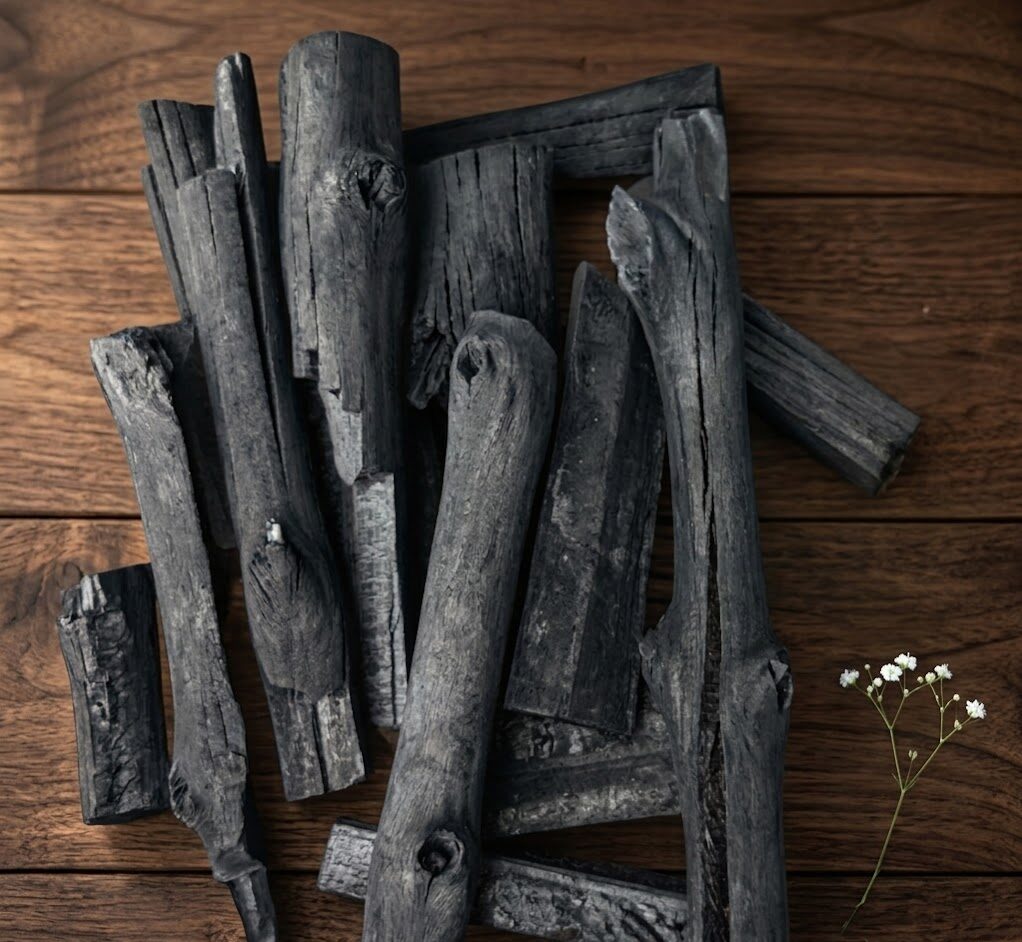
3.1 Mangrove Charcoal Size, Diameter, and Length
Standard pieces feature a uniform diameter ranging from 3 cm to 5 cm and lengths between 5 cm and 20 cm, offering consistent sizing for industrial and culinary use. Uniform dimensions encourage optimal airflow inside burning chambers, ensuring consistent heat delivery and reliable temperature control throughout the burning cycle.
3.2 Round Stick and Lump Charcoal Formats
Available in both round stick and natural lump formats, mangrove fuel caters to diverse commercial cooking equipment and heating preferences. Round sticks provide neat packing density and predictable burn patterns, while natural lump pieces offer quick heat response and classic charcoal grilling appeal.
3.3 Raw Material and Product Composition
Produced from 100% natural mangrove wood sourced from sustainable forestry practices in Southern Vietnam, this product contains zero chemical additives, binders, or artificial fillers. Pure wood composition guarantees clean, toxic-free smoke that preserves natural food flavors without transferring foul chemical odors.
4. How Mangrove Charcoal Specifications Affect Fuel Performance
Technical metrics directly control heat output and burn duration. Here is how these specs translate into real performance.
4.1 Calorific Value and Heat Output
High heat output over 7,000 Kcal/kg provides intense energy needed for heavy-duty grilling, professional barbecue restaurants, and specialized industrial furnaces. Higher heat output means kitchen staff use less fuel by weight to achieve and maintain target cooking temperatures, resulting in substantial long-term operational savings.
4.2 Fixed Carbon and Burning Duration
Elevated fixed carbon directly extends burn duration to 3–5 hours of continuous high heat without requiring frequent refuelings. Restaurant operations run smoother with fewer heat interruptions, allowing chefs to maintain stable cooking conditions while reducing labor demands during busy service hours.
4.3 Moisture Content and Combustion Efficiency
Extremely dry fuel burns efficiently from the moment it ignites, converting every kilogram of biomass into useful radiant heat without producing dark smoke. High combustion efficiency reduces fuel waste, minimizes chimney soot buildup, and lowers total energy costs for high-volume commercial kitchens.
4.4 Ash Content and Residue Management
Minimal ash accumulation allows maximum airflow through air vents, keeping oxygen flowing to the fire bed without clogging charcoal grates. Reduced residue generation saves valuable labor time during daily equipment maintenance and lowers waste disposal costs for busy commercial establishments.
5. Why Technical Specifications Matter for B2B Charcoal Buyers
Reviewing specs helps buyers lower procurement risks and verify quality. Let’s see why technical data is essential for B2B sourcing.
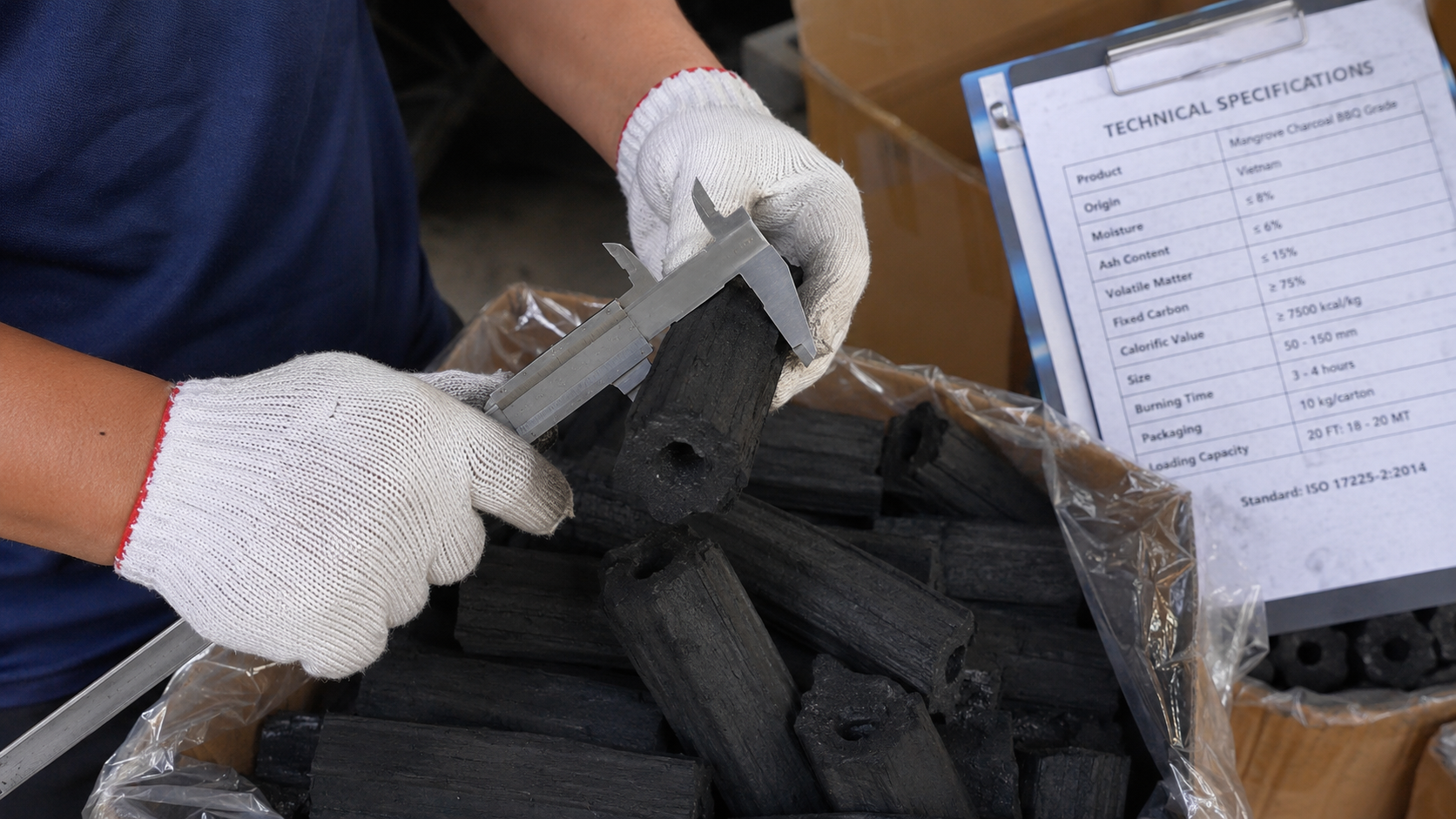
5.1 Comparing Charcoal Suppliers and Product Quality
Evaluating the mangrove charcoal technical specification across verifiable test reports helps international buyers identify reliable manufacturers while avoiding inconsistent or adulterated batches. Reviewing certified lab data guarantees that every shipment meets strict international quality standards before placing large volume orders with a mangrove charcoal bulk supplier.
5.2 Matching Charcoal Specifications to Commercial Applications
Different commercial applications require specific technical traits, such as higher heat output for Korean BBQs or smokeless burning for indoor dining setups. Analyzing technical specifications allows procurement managers to match the exact fuel profile to their target market’s cooking habits and equipment specifications.
5.3 Evaluating Charcoal for Procurement Requirements
Strict import regulations and regional safety rules demand accurate lab certificates for moisture, ash, and carbon content before customs clearance. Accurate documentation eliminates shipping delays, prevents unexpected customs rejections, and ensures seamless logistics from factory origin to local distribution warehouses.
5.4 Using Technical Data for Supplier Qualification
Establishing long-term relationships with a mangrove charcoal wholesale vendor relies on consistent product quality across multiple shipping containers over time. B2B buyers use baseline technical specifications as strict quality control benchmarks during pre-shipment inspections to guarantee container-to-container consistency.
6. Conclusion
Understanding the complete mangrove charcoal technical specification helps B2B buyers secure reliable, high-performing hardwood fuel tailored to their market demands. Premium mangrove charcoal with high heat output, low ash content, and long burn time minimizes operational costs while delivering superior grilling performance. Partnering with certified suppliers ensures strict adherence to quality specifications and a consistent long-term supply for commercial kitchens worldwide.
7. Secure Your Commercial Charcoal Supply Chain
Partner with Lamian Global to stabilize your fuel costs, maintain consistent charcoal quality, and streamline container procurement for your restaurant or distribution business. Contact the B2B Export Team to request factory-direct FOB/CIF pricing, detailed technical specifications, product samples, or discuss your specific charcoal requirements.
- Company: Lamian Global
- Headquarters: 47 Street 36, Van Phuc Residential Area, Hiep Binh Ward, Ho Chi Minh City, Vietnam, 700000
- Hotline / WhatsApp / Commercial Line: +84 812 036 789
- Email: contact.charcoal@lamianglobal.com
- Website: https://lamiancharcoal.com/