Black charcoal is the foundation of traditional BBQ, valued for its fast ignition, intense heat, and steady, controllable burn, making it ideal for everything from high-heat searing to slow roasting. In this Why Black Charcoal Is the Top Choice for Traditional BBQ guide, we explore the performance traits, grilling techniques, and sourcing standards behind quality lump carbon.
Because wood species and carbonization directly dictate density, heat output, and ash levels, choosing the right grade makes a noticeable difference at the grill. Denser, uniformly sized charcoal builds longer-lasting ember beds and predictable airflow, helping commercial kitchens cut prep time and minimize mid-service refueling.
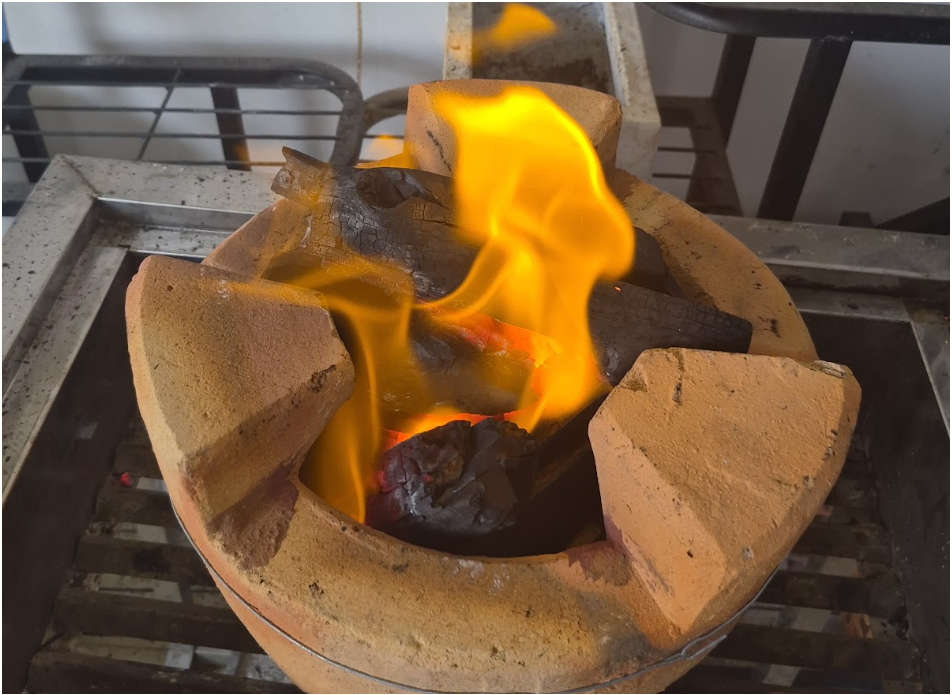
Key Performance Advantages of Black Charcoal
The physical properties of natural charcoal affect every stage of a cooking session. A premium product must be easy to start, respond predictably to heat adjustments, and burn steadily without creating excessive waste.
Fast and Reliable Ignition
One of the most noticeable benefits of black charcoal is its rapid startup time. High-quality, properly dried charcoal ignites efficiently when supplied with adequate oxygen, allowing grills to reach peak cooking temperatures without lengthy delays. Ignition speed is also heavily influenced by piece size: smaller chunks catch fire almost instantly, while larger, denser pieces take slightly longer but ultimately reward the chef with a robust, long-lasting ember bed.
High and Responsive Heat for Searing
Black charcoal delivers the intense radiant heat required for fundamental BBQ techniques, particularly direct searing. This makes it the preferred fuel for locking in the juices of steaks, burgers, poultry, and seafood. Furthermore, the heat output is highly responsive to manual management. By simply adjusting the grill’s air vents or rearranging the coals to create distinct heat zones, cooks gain precise control over the cooking environment.
Authentic Culinary Flavor
Cooking over natural charcoal, especially aromatic fruitwood varieties like Longan Charcoal, imparts a distinctive, smoky aroma that gas or electric elements cannot replicate. This signature flavor is the result of a chemical reaction: when rendering fats and meat juices drip onto the hot carbon, they vaporize instantly, sending complex, aromatic smoke back into the food. Because natural charcoal contains minimal volatile matter, it enhances the food without overwhelming it with harsh, acrid smoke.
Practical Burn Behavior and Low Ash
For extended restaurant services, how the fuel behaves after ignition is critical. Premium black charcoal develops a stable ember bed that radiates usable heat for hours. Equally important is its low ash production.
Excessive ash can suffocate the fire, block airflow through the grates, and complicate end-of-day kitchen cleanup. A low-ash product ensures the cooking area remains clean and the fire breathes easily, a major reason why black charcoal is the top choice for traditional BBQ kitchens running high-volume shifts.
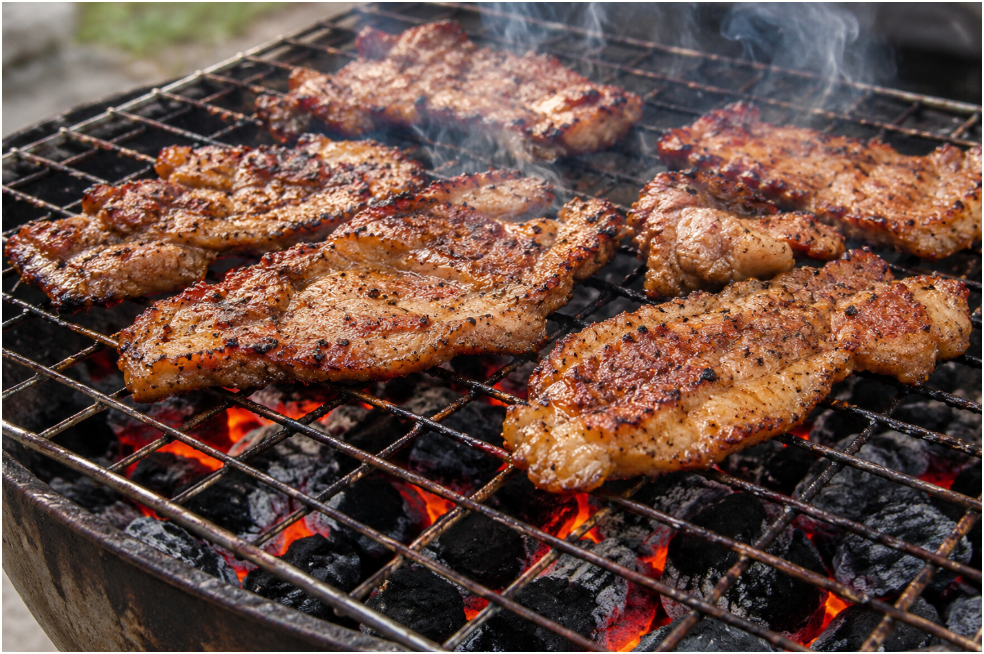
Traditional BBQ Techniques with Black Charcoal
The structural flexibility of Black Charcoal supports several classic cooking arrangements, allowing a single grill to handle diverse menus.
- Direct High-Heat Grilling: Placing the charcoal directly beneath the grates creates a fierce, concentrated cooking zone. This setup is mandatory for thin cuts of meat, seafood, and vegetables that require a fast, flavorful char.
- Two-Zone Searing and Finishing: For thicker cuts like Tomahawk steaks or whole chickens, a uniform heat zone is impractical. Chefs bank consistent, responsive fuel such as Eucalyptus Black Charcoal to one side to create a primary searing zone, leaving the other side empty. Food is seared over the coals to develop a crust, then moved to the cooler, indirect side to gently finish cooking to the perfect internal temperature.
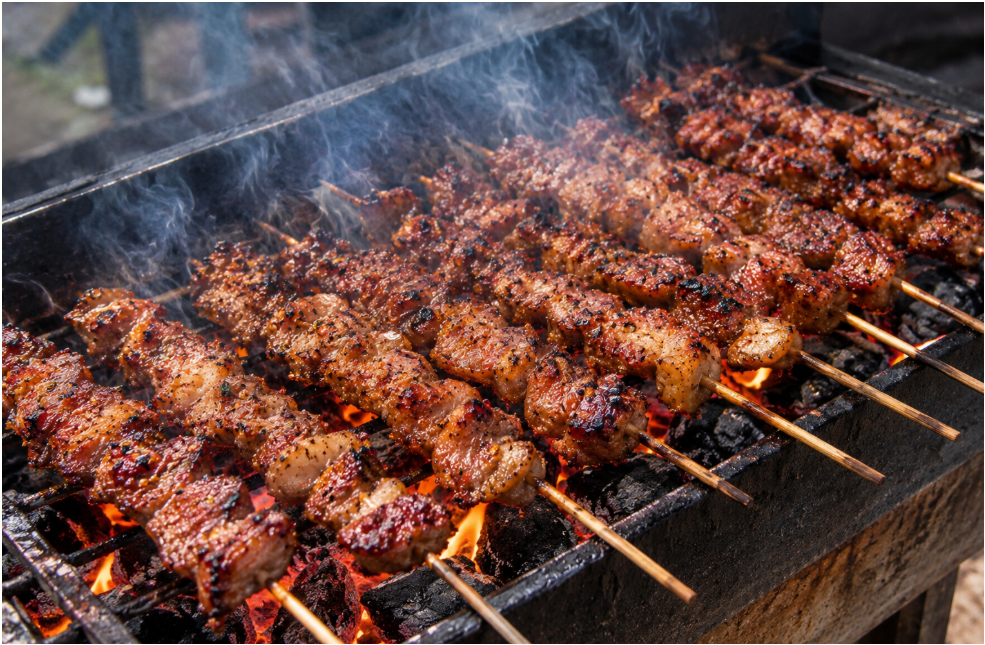
- Open-Pit Setups: From simple kettle grills to expansive commercial open pits, black charcoal provides the physical durability and heat consistency required to sustain large-scale, traditional BBQ operations.
Sourcing Guide: Home Grilling vs. Professional Operations
While the same fuel can be used in different environments, purchasing priorities shift dramatically depending on the scale of the operation.
| Operational Aspect | Home & Backyard BBQ | Commercial Restaurant & Catering |
| Primary Goal | Convenience, fast startup, and versatility. | Consistency, heat longevity, and efficiency. |
| Size Preference | Mixed sizes for quick lighting and short burns. | Uniform, larger pieces for stable, long-lasting beds. |
| Cost Evaluation | Purchase price per kilogram (retail focus). | Cost per cooking session (efficiency focus). |
| Refueling Impact | Minor inconvenience. | Disrupts kitchen workflow and slows down service. |
For B2B buyers and restaurant owners, evaluating charcoal strictly by its upfront price per kilogram often leads to hidden expenses. A slightly higher-priced charcoal that burns steadily, produces less ash, and requires fewer refills will ultimately lower the true operational cost per service, further illustrating why black charcoal is the top choice for traditional BBQ restaurants.
Crucial Quality Factors to Evaluate
When comparing wholesale suppliers, B2B buyers should request a Certificate of Analysis (COA) and evaluate the following technical specifications to ensure consistent grill performance:
- Wood Species and Density: Dictates the physical hardness of the lump, its heat behavior, and its maximum burning duration, with high-density hardwood options like Mangrove Charcoal prized for extended, high-output commercial grilling.
- Moisture Content: Must be kept low (typically <8%). Excess moisture delays ignition, produces white smoke, and lowers the usable heat output.
- Fixed Carbon: A higher percentage indicates a purer, longer-burning fuel with fewer impurities.
- Ash Content: Lower ash (<5%) prevents the fire from suffocating and drastically reduces cleanup time.
- Piece Size Consistency: Uniform grading prevents unpredictable airflow. Excessive dust (fines) at the bottom of the bag wastes money and clogs grill vents.
Selecting the right charcoal comes down to matching the fuel’s burning performance with your specific culinary requirements, operating volume, and budget. By prioritizing consistent sizing, low moisture, and the correct wood density, chefs can guarantee an authentic, efficient grilling experience, reinforcing why black charcoal is the top choice for traditional BBQ every time they fire up the grill.
Looking to source premium, consistently graded black charcoal for your restaurant, catering business, or distribution network? Lamian Global supplies high-performance grilling fuel alongside a diverse range of Other Products tailored for specialized commercial and industrial applications. Contact our team with your preferred wood species, required charcoal sizes, intended application, and estimated monthly volume to discuss tailored specifications and reliable bulk supply options.
- Company: Lamian Global
- Headquarters: 47 Street 36, Van Phuc Residential Area, Hiep Binh Ward, Ho Chi Minh City, Vietnam, 700000
- Hotline / WhatsApp: +84 812 036 789
- Email: contact.charcoal@lamianglobal.com
- Website: https://lamiancharcoal.com/