Binchotan, also known as white charcoal, is one of the highest-quality charcoal in the world. Renowned for its exceptional hardness, almost smokeless burn, long stable heat and clean infrared performance, it is the preferred fuel for Japanese yakitori, fine dining and professional grilling. This guide explains what Binchotan is, its origins, why it is called “white charcoal,” and the unique production process that sets it apart.
What is Binchotan Charcoal?
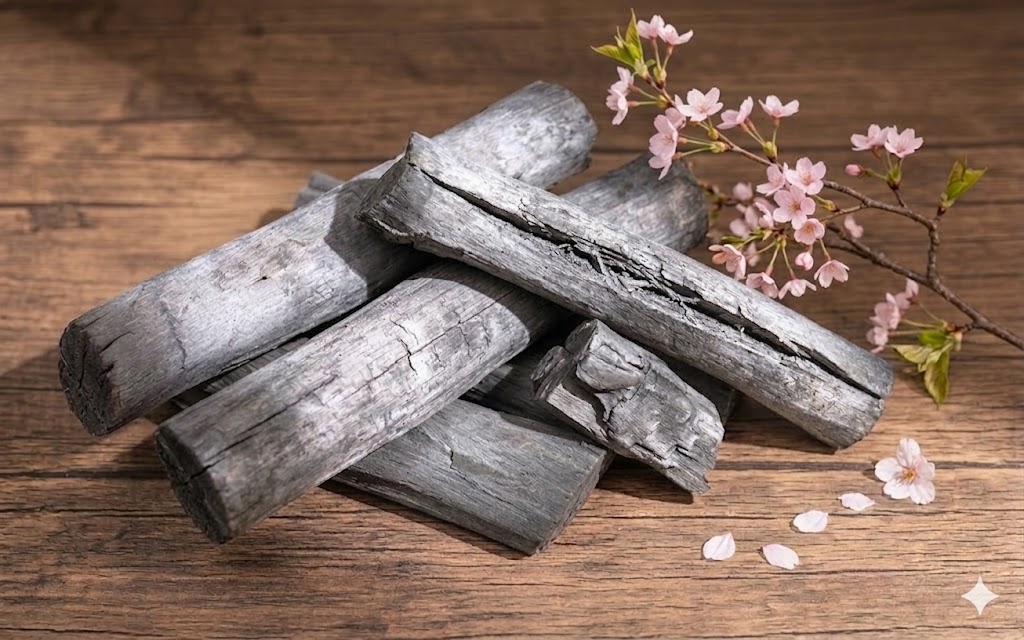
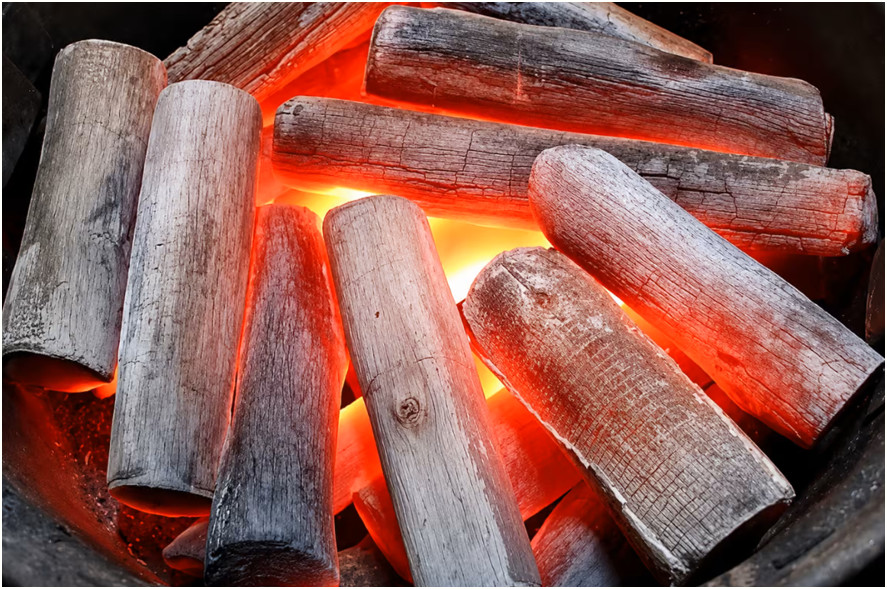
Binchotan is a premium type of white charcoal traditionally associated with Japanese grilling culture. It is characterized by an extremely high fixed-carbon content (typically 90-95% or higher), exceptional hardness (often producing a clear metallic ringing sound when struck), almost no smoke or odor, and very stable, long-lasting heat. These properties make it ideal for precise, high-end cooking where clean combustion and consistent temperature are essential.
Unlike regular black charcoal, Binchotan undergoes a higher-temperature refining stage and a distinctive finishing and cooling process that give it its unique appearance, density, and performance.
Origins and History of Binchotan
Binchotan originated in Japan during the Edo period. It is named after the craftsman and charcoal merchant Bichū-ya Chōzaemon (備中屋長左衛門), who began producing and popularizing this high-quality charcoal in the Tanabe area of Wakayama Prefecture (formerly known as Kishu) during the Genroku era (late 17th century).
The traditional raw material is dense hardwood, most famously ubame oak (Quercus phillyraeoides), the official tree of Wakayama Prefecture. Authentic charcoal from this region is specifically called Kishū Binchō-tan to distinguish it from other varieties.
Over time, the high-temperature white-charcoal technique spread beyond Japan. Today, high-quality white charcoal produced according to the same core principles is also made in Vietnam and other Asian countries, supplying professional kitchens and export markets worldwide.
Why is it called White Charcoal?
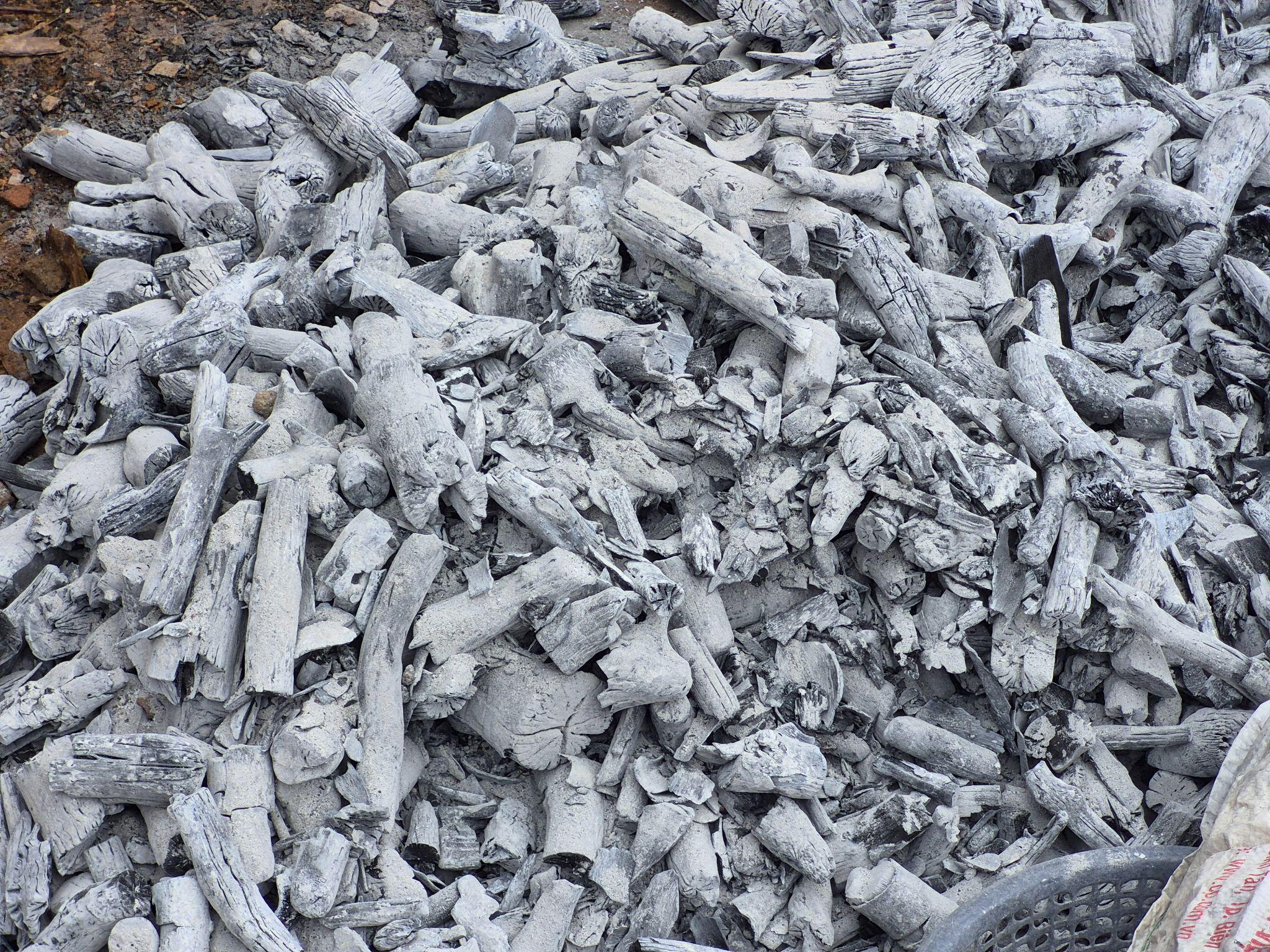
The name “white charcoal” (白炭) comes from the distinctive appearance created by its historical finishing process. In the traditional Japanese method, after the high-temperature refining stage, the glowing red-hot charcoal is removed from the kiln and immediately covered with a damp mixture of earth, sand, and ash. This rapid extinguishing and cooling method leaves a light greyish-white ash layer on the surface, giving the charcoal its characteristic “white” look.
While many modern high-quality production facilities have adapted this step for scale and efficiency, the historical name “white charcoal” remains to describe any premium charcoal crafted through this extreme-heat and rapid-cooling methodology.
In contrast, regular black charcoal is cooled slowly inside a sealed kiln, resulting in a uniformly black appearance.
How Binchotan Charcoal is Made – The Unique Production Process
The decisive difference between Binchotan and ordinary charcoal lies in the carbonization temperature and the finishing/cooling method.
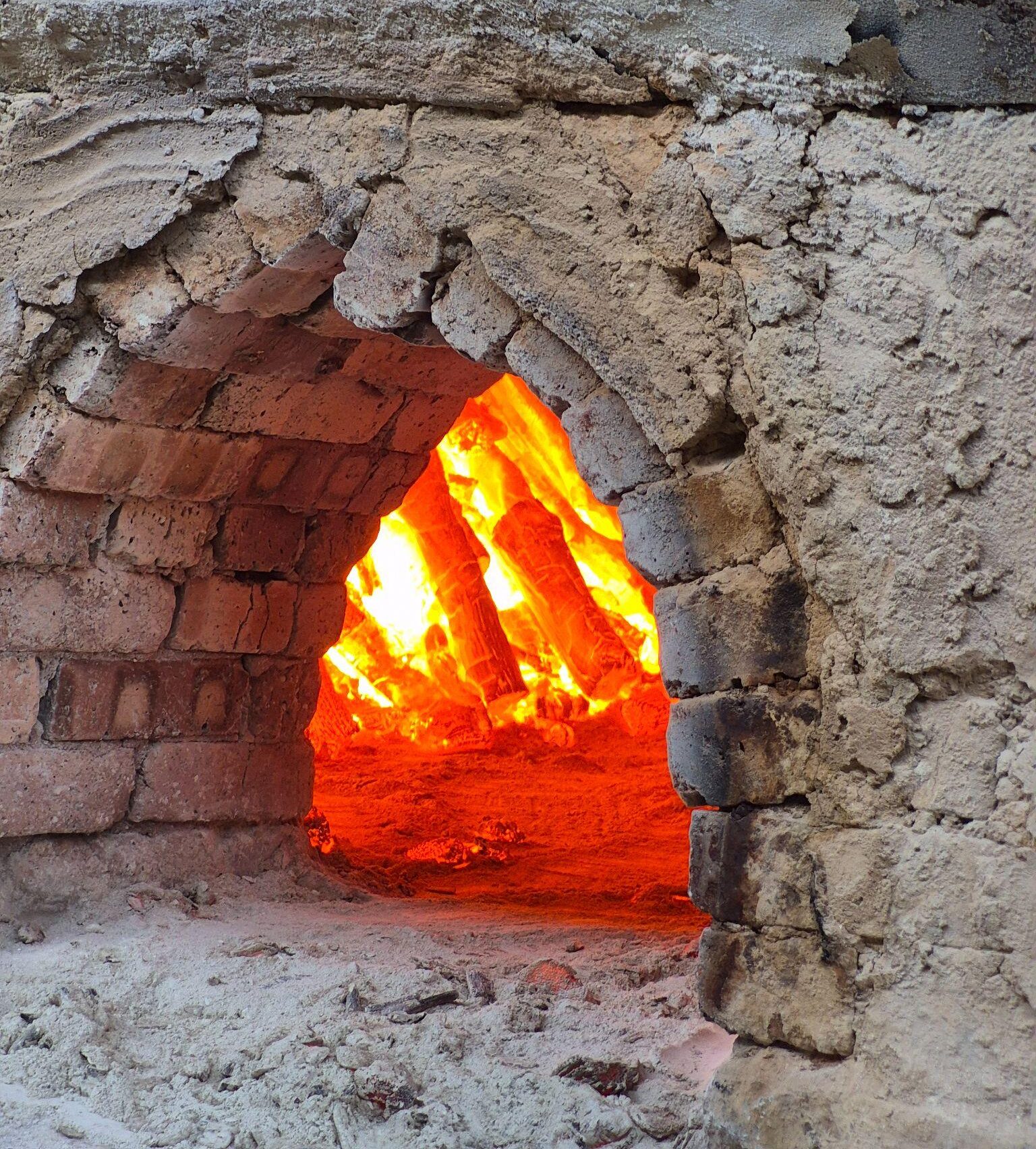
- Carbonization: The wood is fired in specialized kilns for 12-15 days. In the final stage, the temperature is raised to 1,000-1,200°C. Unlike black charcoal production, there is no sealed cooling stage inside the kiln.
- Special Finishing Step: When the kiln is opened, workers blow strong fire and air into the chamber to make the charcoal glow bright red-hot. The red-hot charcoal is then quickly shoveled into steel drums.
- Rapid Cooling (Modern Approach)
- To optimize production while maintaining the exact structural benefits of the traditional method, the red-hot charcoal is quickly shoveled into steel drums. Inside these drums, the oxygen is cut off, allowing the charcoal to cool naturally and rapidly.
- This rapid temperature drop is what locks in the extremely hard structure, high fixed carbon content, and signature metallic density.
After cooling, the charcoal is sorted, packaged, and prepared for container loading.
How Binchotan Differs from Black Charcoal
Although both are made from dense hardwood, the production method creates clear differences in hardness, fixed carbon, smoke level and burn performance.
| Parameter | Binchotan (White Charcoal) |
Regular Black Charcoal
|
| Firing Temperature | 1,000-1,200°C |
Lower (typically 400-700°C)
|
| Cooling Method | Rapid removal + natural cooling in drums |
Sealed cooling inside the kiln
|
| Fixed Carbon | Very high (typically 90–95%+) | High but lower |
| Hardness | Extremely hard (metallic ring) |
Hard but less dense
|
| Smoke & Odor | Almost none | Low to moderate |
| Burn Time | Very long and stable | Long |
| Appearance | Greyish-white surface ash | Uniform black |
| Price | Significantly higher | More accessible |
Why Professional Chefs Prefer Binchotan
Professional chefs value Binchotan for its clean, almost odorless combustion that allows the natural flavors of ingredients to shine. The stable infrared heat provides precise temperature control, while the long burn time reduces the need for frequent refueling during service.
Its hardness and purity also contribute to consistent performance in high-end yakitori, robata, and fine-dining kitchens.
Conclusion
Binchotan stands apart from ordinary charcoal thanks to its high-temperature process (1,000-1,200°C for 12-15 days), rapid removal while red-hot, and natural cooling in steel drums. This creates an extremely hard, almost smokeless fuel with exceptional heat stability and purity – ideal for fine dining, yakitori, and premium BBQ.
Ready to experience premium Binchotan charcoal?
Contact Lamian Charcoal for product specifications, samples and wholesale quotations of premium Binchotan (white charcoal) and other high-performance charcoal from Vietnam.
- Email: contact.charcoal@lamianglobal.com
- WhatsApp / Hotline: +84 812 036 789
- Website: https://lamiancharcoal.com/