Proper packaging and safe maritime shipping are critical for mangrove charcoal exporters and importers. Incorrect packaging or insufficient cooling can lead to moisture absorption, quality degradation or, in rare cases, spontaneous combustion during ocean transport. This guide explains the most common packaging options (PP bags, carton boxes and OEM solutions) and practical shipping guidelines that help prevent self-heating risks while protecting product quality from Southern Vietnam to global markets.
Why Packaging and Shipping Guide for Mangrove Charcoal
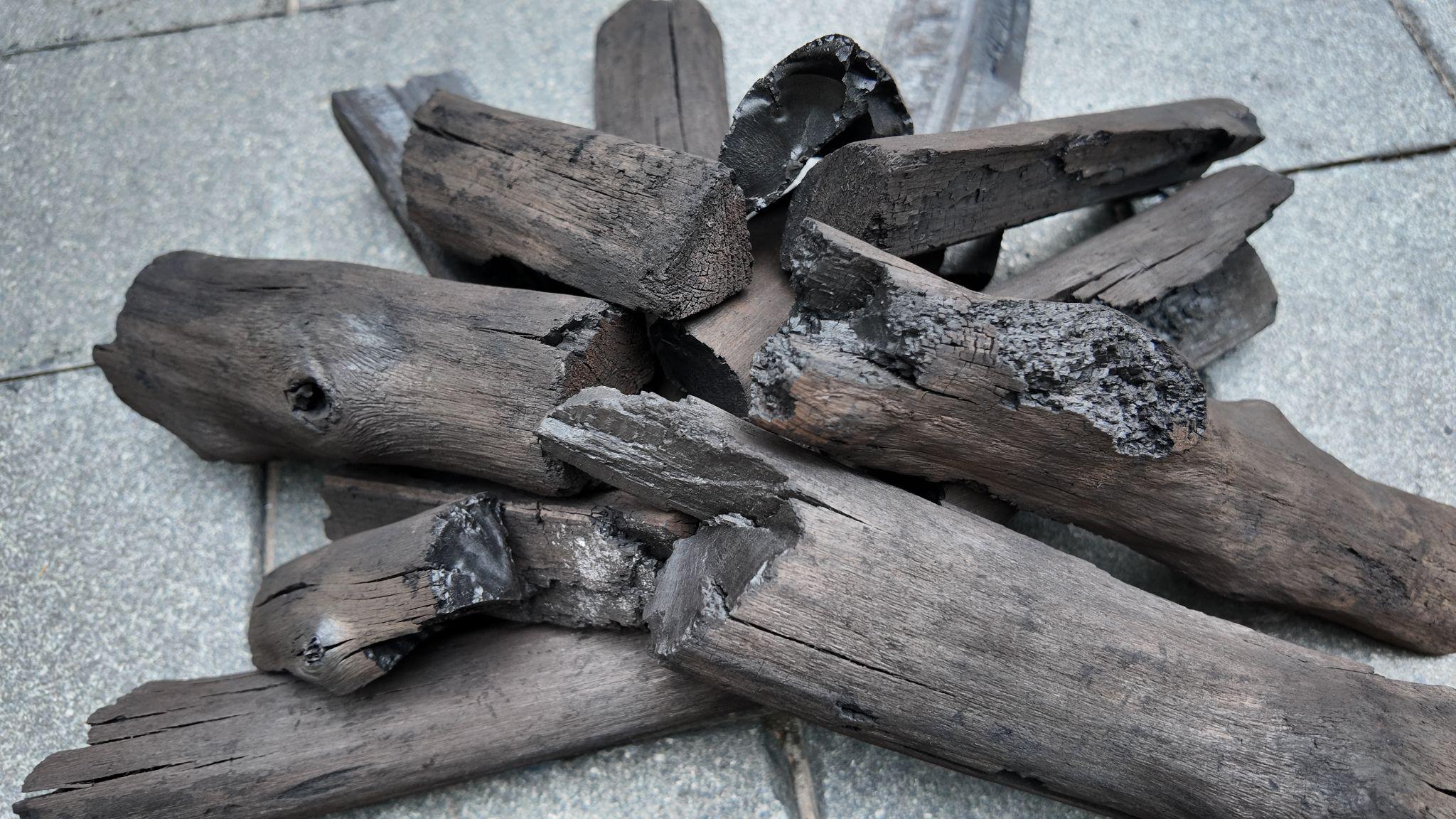
Mangrove charcoal produced from premium natural mangrove wood in Southern Vietnam offers high fixed carbon content, dense structure, heat output up to 900°C, long burning time and very low ash. These qualities make it highly valued by professional BBQ restaurants and grilling markets worldwide.
However, charcoal is classified under the IMDG Code as UN 1361 – Carbon, animal or vegetable origin, Class 4.2 (substances liable to spontaneous combustion). Residual heat after carbonization, moisture or restricted airflow inside a container can trigger self-heating. Although properly cooled mangrove charcoal has a relatively low risk profile, any shortcut in preparation significantly increases danger during maritime transport. According to CINS data, dozens of container fire incidents involving charcoal have been recorded in recent years, mostly linked to insufficient weathering or improper stowage.
Common Packaging Options for Mangrove Charcoal
Professional exporters provide flexible packaging to suit different markets and volumes:
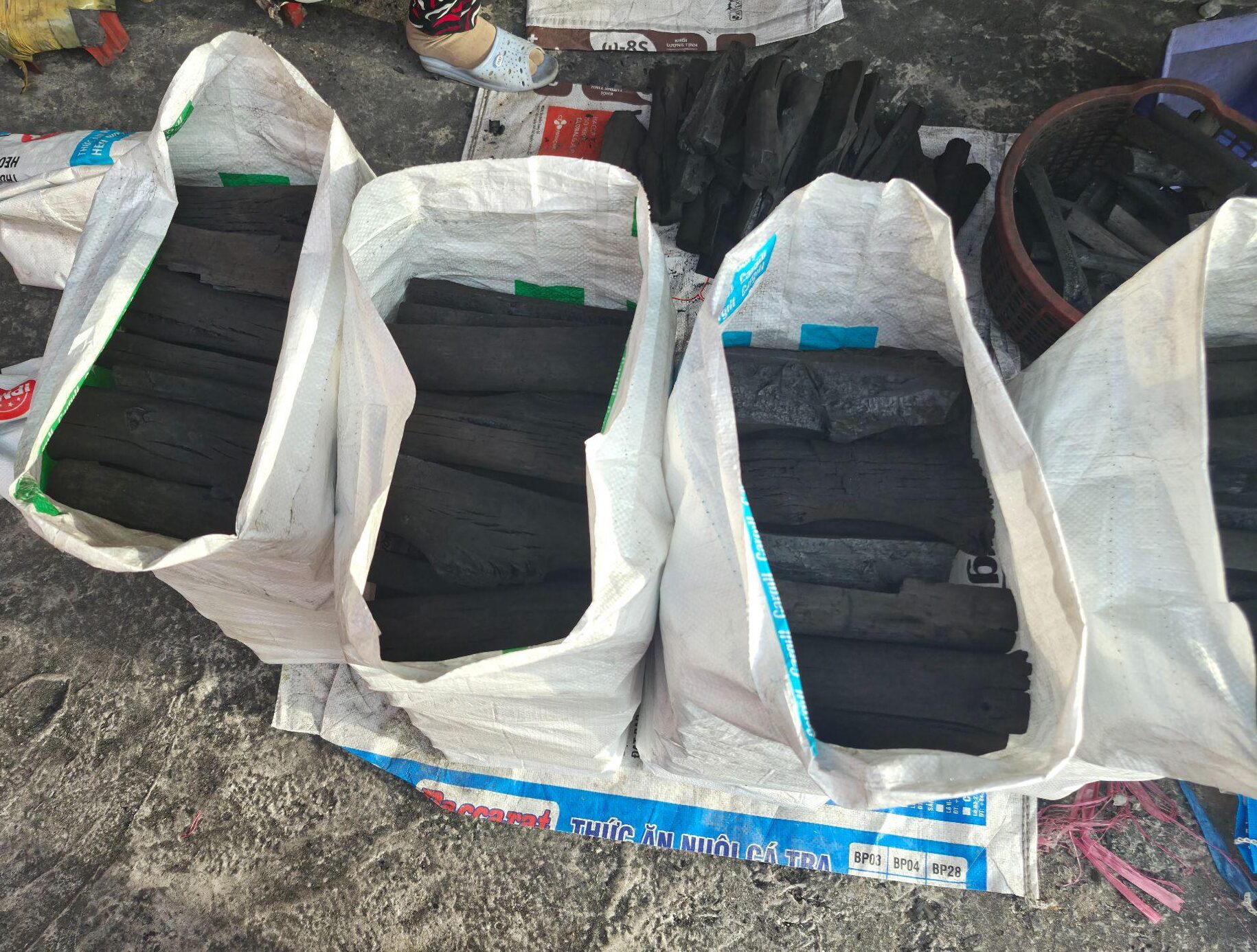
PP Woven Bags
PP bags remain the most common choice for bulk and wholesale shipments. Typical sizes include 10 kg, 15 kg, 20 kg and 25 kg (maximum 50 kg per bag under packing instruction P002). They are durable, cost-effective and easy to stack. For better moisture control, many exporters use PP bags with an inner liner rather than relying solely on the woven outer layer.
Carton Boxes
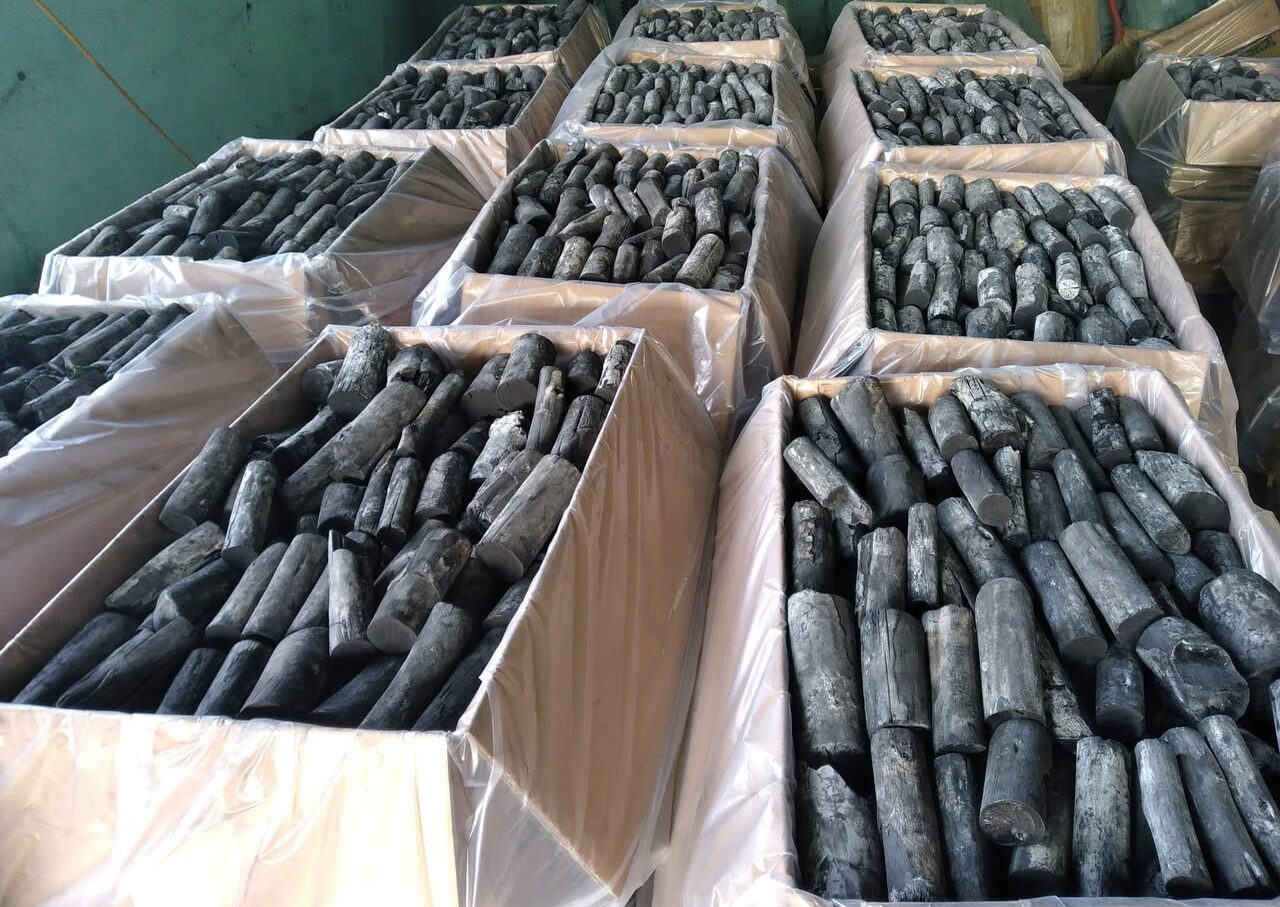
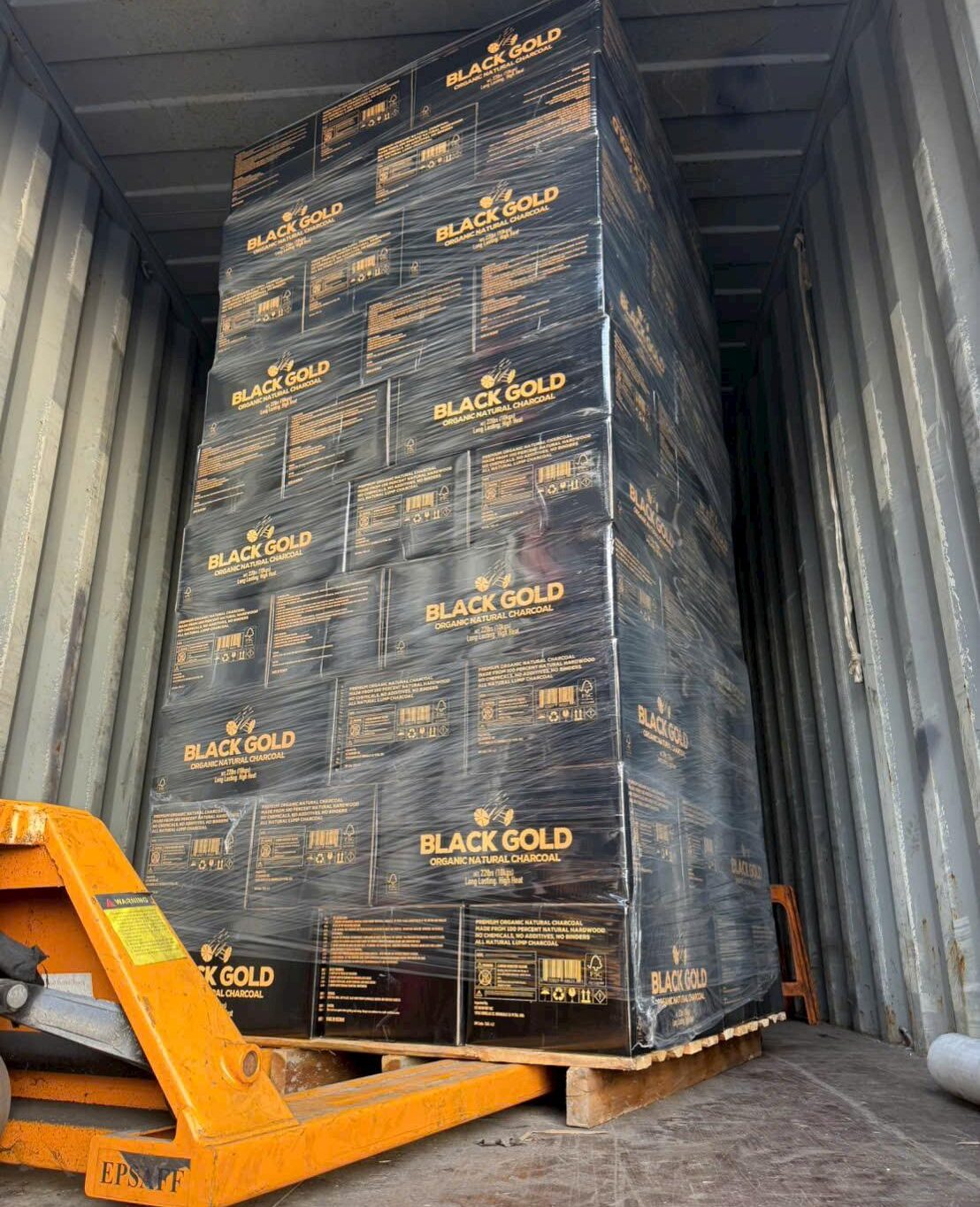
Preferred for retail, private-label and premium presentation. Common sizes: 3 kg, 5 kg, 10 kg and 15 kg. Cartons offer better protection against physical damage, support full-color printing and create a professional image for end customers. Full OEM carton packaging with custom branding is widely available.
Kraft Paper Bags and Other Options
Eco-friendly kraft paper bags are increasingly requested. Jumbo bags (big bags) serve industrial volumes. Complete OEM solutions with custom printing help importers build their own brand in destination markets.
Every shipment from reliable Vietnamese suppliers undergoes careful pre-export inspection to ensure consistent quality, correct moisture level and temperature compliance.
Understanding the Risk of Spontaneous Combustion
Charcoal can self-heat through slow oxidation when residual heat remains or when moisture and limited ventilation create favorable conditions. The risk is higher if the product is packed while still warm or if the container is poorly stowed.
Under the current IMDG Code (Amendment 42-24, mandatory from 1 January 2026), charcoal must always be declared as Dangerous Goods. Previous exemptions based on laboratory self-heating tests (UN N.4 test) are no longer accepted for UN 1361.
Safe Maritime Shipping Guidelines to Prevent Spontaneous Combustion
To prevent spontaneous combustion, mangrove charcoal must follow strict IMDG guidelines for cooling, packaging and container loading.
1. Proper Cooling and Weathering After Production
After carbonization, unpacked charcoal must undergo a weathering period of minimum 14 days under cover but in the open air. This allows residual heat and gases to dissipate. On the day of packing, the temperature of any part of the charcoal must not exceed 40°C. Continuous temperature monitoring with a thermal camera is strongly recommended, and records should be kept.
2. Correct Packaging Practices
Only cool, stable charcoal may be packed. Packaging must comply with packing instruction P002. Bags or cartons must be clean, dry, in good condition and not torn. Maximum net weight per package is 50 kg. Moisture content should be controlled (ideally ≤10%) to further reduce risk.
3. Container Loading and Stowage Best Practices
Proper container loading and stowage are critical to dissipate residual heat and prevent self-heating during transit.
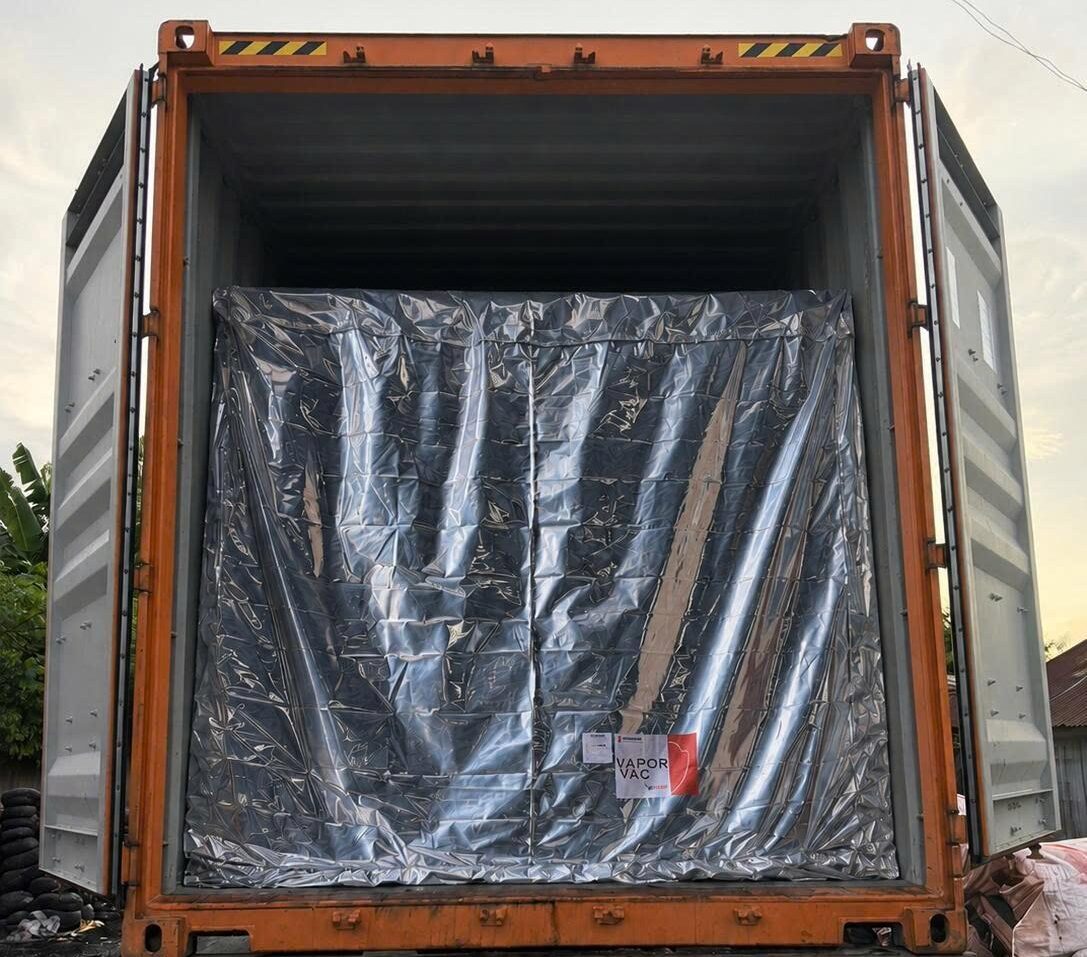
- Maintain a minimum 30 cm headspace between the top of the cargo and the container roof.
- Stowage height of packages should not exceed 1.5 m, or packages should be arranged in blocks of maximum 16 m³ with at least 15 cm space between blocks for better heat dissipation.
- Avoid excessive compression and ensure the cargo is properly secured.
- Containers must be clean, dry and in good condition. On-deck stowage is often preferred when possible. Some carriers may also request thermal liners or a pre-loading vanning survey.
4. Documentation and Pre-Shipment Inspection
Every shipment requires:
- Dangerous Goods Declaration (DGD)
- Weathering / cooling certificate
- Temperature records at packing
- Material Safety Data Sheet (MSDS)
- Commercial documents and packing list
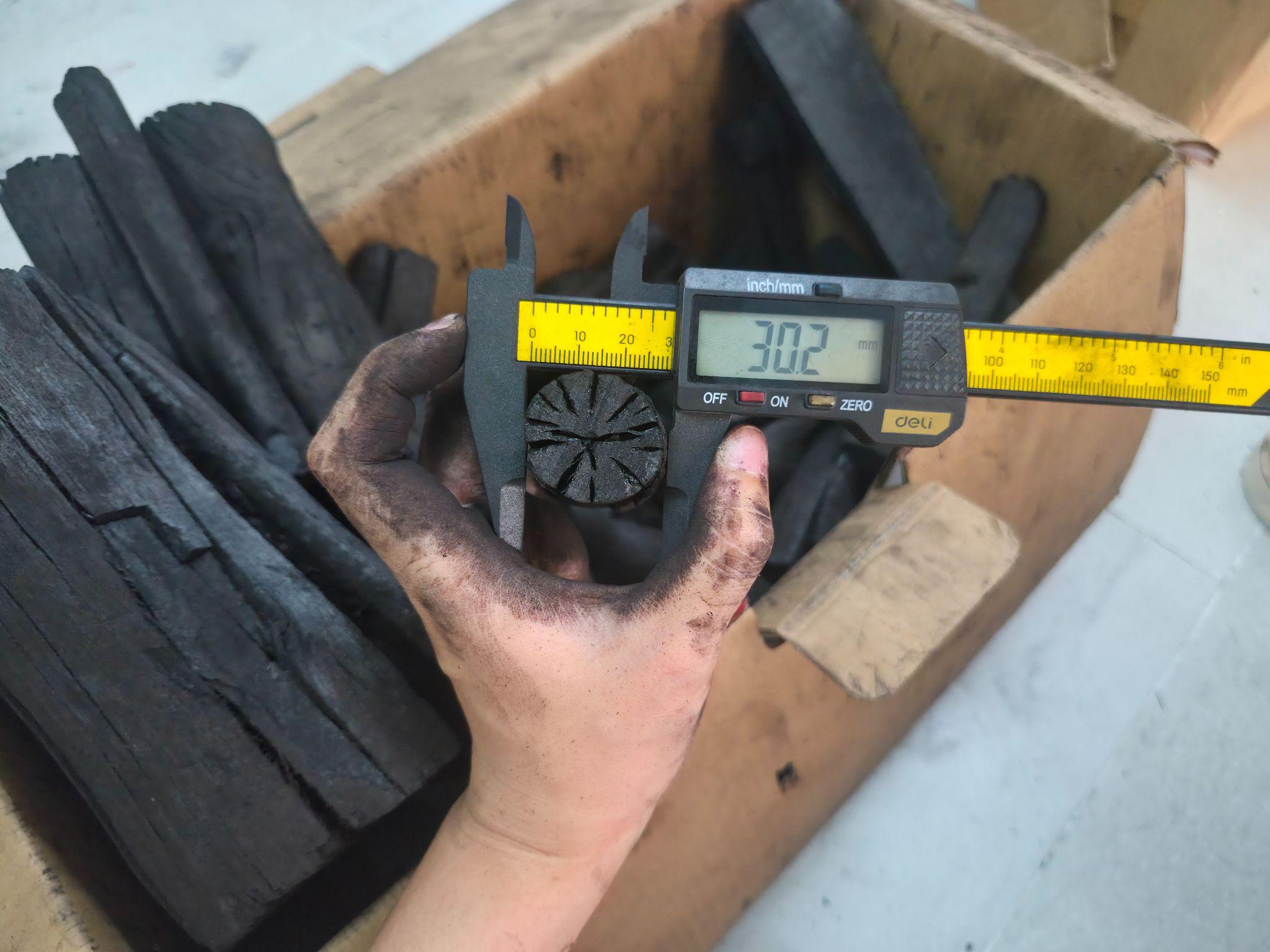
A thorough pre-shipment inspection verifies temperature, packaging integrity and overall compliance.
How Professional Exporters Manage Packaging and Safe Shipping
Reliable exporters combine source-controlled production of premium mangrove charcoal with strict cooling, weathering, inspection and packaging procedures. Flexible options – PP bags (with or without inner liner), kraft paper bags, carton boxes and full OEM packaging with custom printing – allow buyers to select the format that best matches their market.
Every container is carefully checked before export to ensure the product arrives in optimal condition and fully complies with international maritime regulations.
Conclusion
Selecting the right packaging (PP bags for bulk or cartons for retail/OEM) and strictly following safe maritime shipping guidelines are essential to protect product quality and eliminate spontaneous combustion risks. Proper 14-day weathering, temperature control ≤40°C at packing, correct stowage with 30 cm headspace and complete dangerous-goods documentation significantly reduce hazards while ensuring the charcoal arrives ready for professional BBQ and restaurant use.
For consistent, export-ready mangrove charcoal with flexible packaging options and strict quality control, partner with a professional Vietnamese exporter.
Ready to ship mangrove charcoal safely and professionally?
Contact Lamian Charcoal for packaging options, shipping guidance, product specifications and wholesale quotations of premium mangrove charcoal from Southern Vietnam.
- Email: contact.charcoal@lamianglobal.com
- WhatsApp / Hotline: +84 812 036 789
- Website: https://lamiancharcoal.com/