Learning how to light Binchotan charcoal can feel like a challenge because of its high density and rock-like hardness. Known as premium white charcoal, this traditional Japanese fuel requires patience and the right technique to get started. Once ignited, however, it delivers an amazingly consistent heat, virtually no smoke, and an extremely long burn time that top chefs rely on. In this easy-to-follow guide, we will walk you through the simplest ways to start your fire safely so you can enjoy a flawless grilling session every time.
Why Is Binchotan Charcoal So Hard To Ignite?
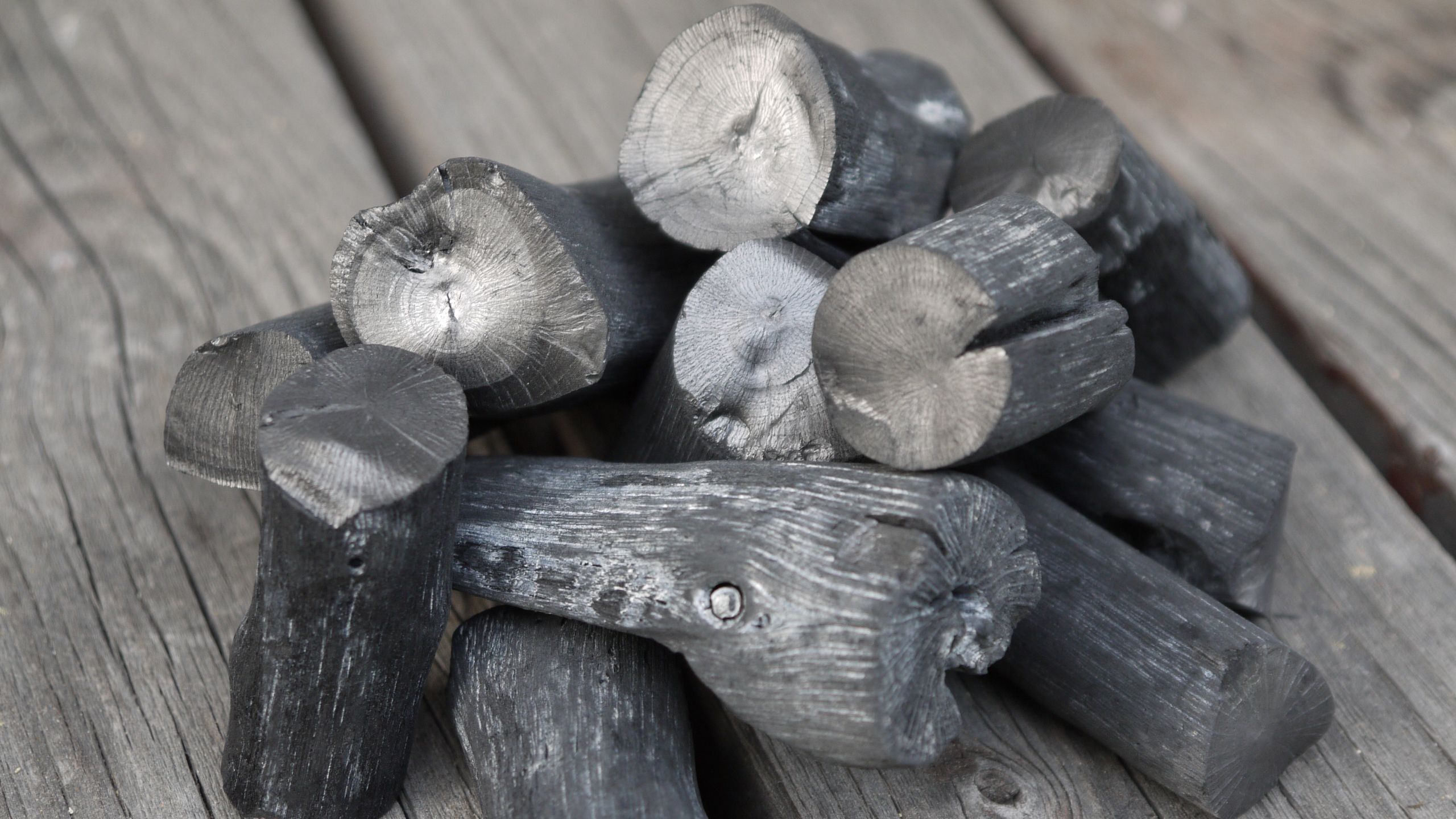
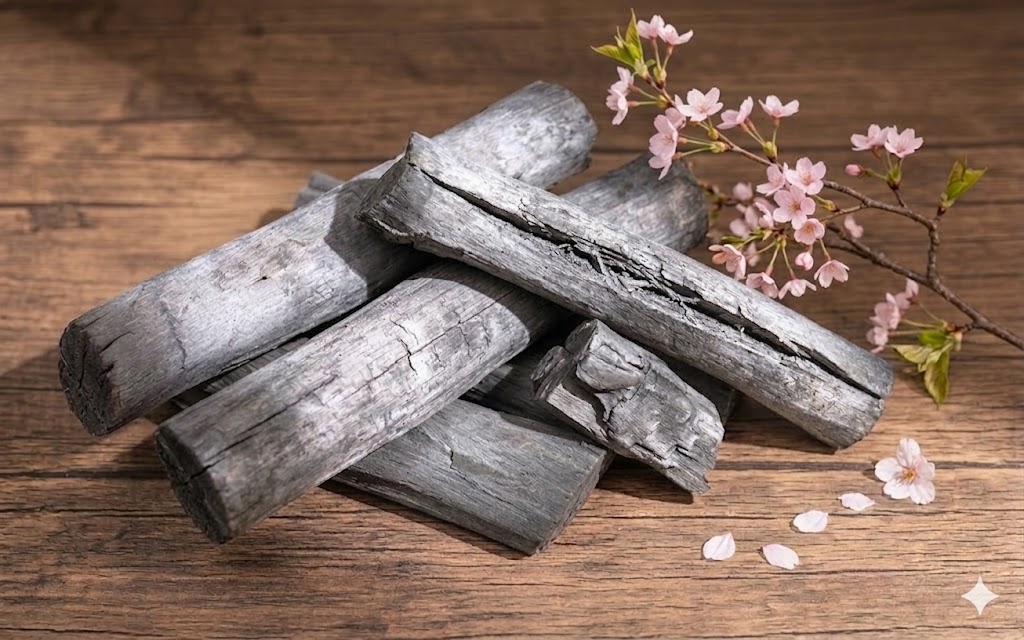
Binchotan earned its nickname “white charcoal” due to its unique manufacturing process, where wood is carbonized at extreme temperatures exceeding 1,000°C and rapidly smothered in ash. This extreme heat bakes out virtually all moisture and impurities, leaving behind almost pure carbon with a metallic ring when struck. Because there are no volatile organic compounds or soft wood fibers left behind, choosing smokeless binchotan for indoor grilling guarantees a clean, flare-up-free cooking environment. However, this same high density means that lighting hard to burn Binchotan requires sustained, high-intensity heat rather than a quick match.
Essential Tools And Safety Preparations
Before sparking your fire, having the right gear nearby makes the process seamless and secure. Preparing your workspace properly ensures your safety and prevents damage to your equipment.
Recommended Lighting Equipment
To ignite white charcoal effectively, gather a sturdy stainless steel chimney starter, long-handled stainless steel charcoal tongs, and a portable gas burner or blowtorch. Avoid liquid lighter fluids or chemical starters completely, as Binchotan absorbs chemical odors easily and ruins the pure flavor profile of your food.
Safety Gear & Preventing “Thermal Shock”
Always wear heavy-duty heat-resistant gloves and protective safety glasses before handling hot charcoal. Because cold or slightly damp Binchotan can experience thermal shock when exposed to direct flame too quickly, moisture trapped inside expands rapidly and causes hot sparks or small charcoal fragments to pop off aggressively.
Method 1: How To Light Binchotan Charcoal Using A Gas Chimney Starter (Fastest & Most Reliable)
Using a dedicated chimney starter over a portable gas stove is highly recommended in any Binchotan lighting starter guide for commercial kitchens and home pitmasters alike. This direct method concentrates heat upward to jumpstart ignition in minimal time.
Step 1: Setting Up Your Chimney Starter
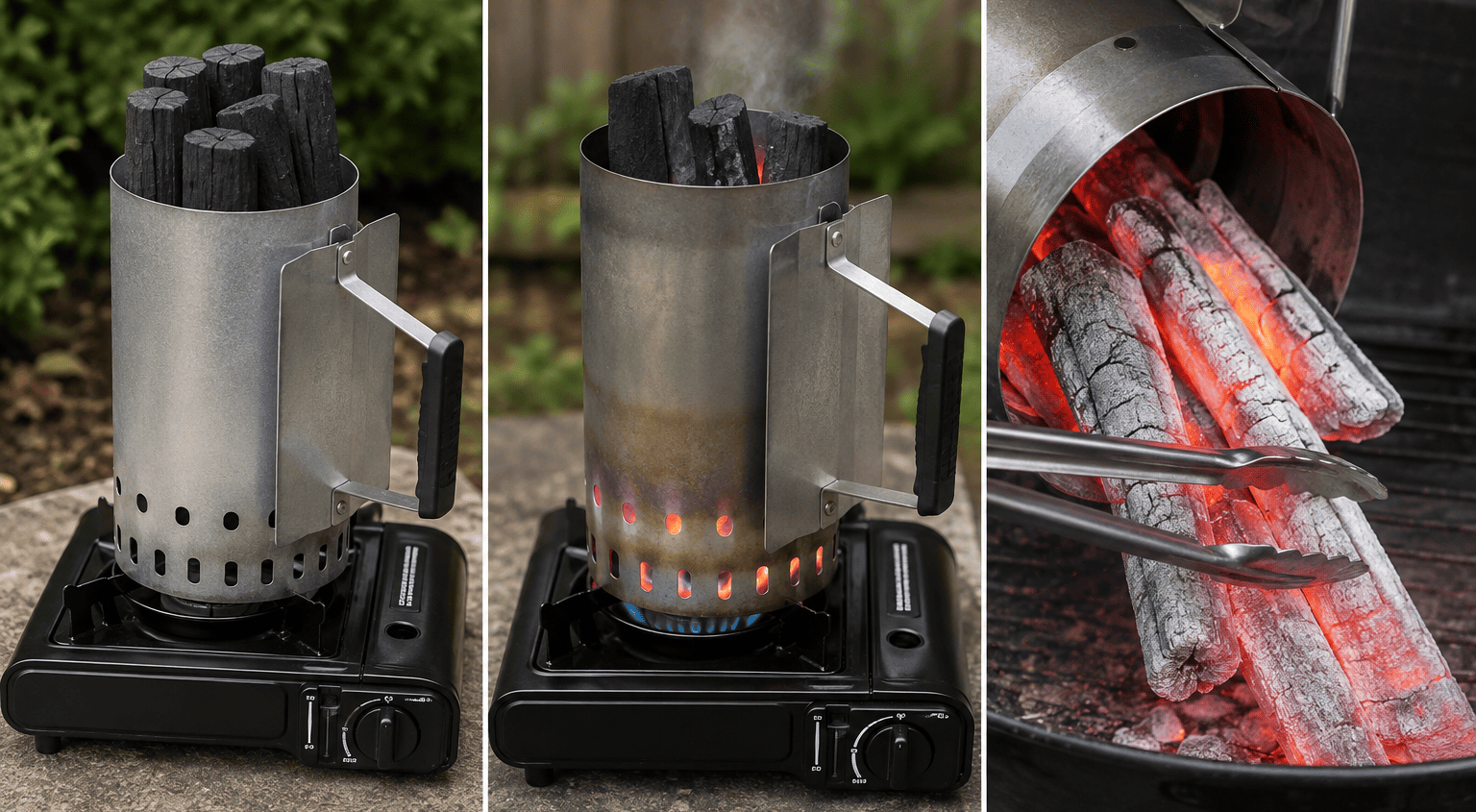
Place your chimney starter directly on top of a single-burner portable gas stove outdoors or in a well-ventilated area. Stand your Binchotan logs vertically inside the chimney starter so they resemble a tightly packed bundle, allowing heat to flow directly up through the center of the sticks.
Step 2: Applying Gradual and Steady Heat
Turn the gas burner on to a low-to-medium setting initially so the charcoal heats up gradually without triggering severe thermal shock. Increase the flame slightly after a few minutes, keeping a steady heat source beneath the chimney for roughly 15 to 20 minutes to penetrate the dense core of the logs.
Step 3: Knowing When The Charcoal Is Ready To Grill
Your Binchotan is fully ignited and ready for cooking when the logs glow with an intense, deep red-pink color throughout their lower halves and feature a very thin layer of powdery white ash dusting the outer surface. At this point, carefully transfer the glowing logs into your grill using your long tongs.
Method 2: The Soft Charcoal Bed (Traditional & Gentle)
If you prefer a gentler approach without using a continuous gas flame, building a bed of quick-lighting fuel offers a traditional alternative. This method relies on transfer heat to bring your white charcoal up to temperature naturally.
Step 1: Building A Hot Base With Regular Lump Charcoal
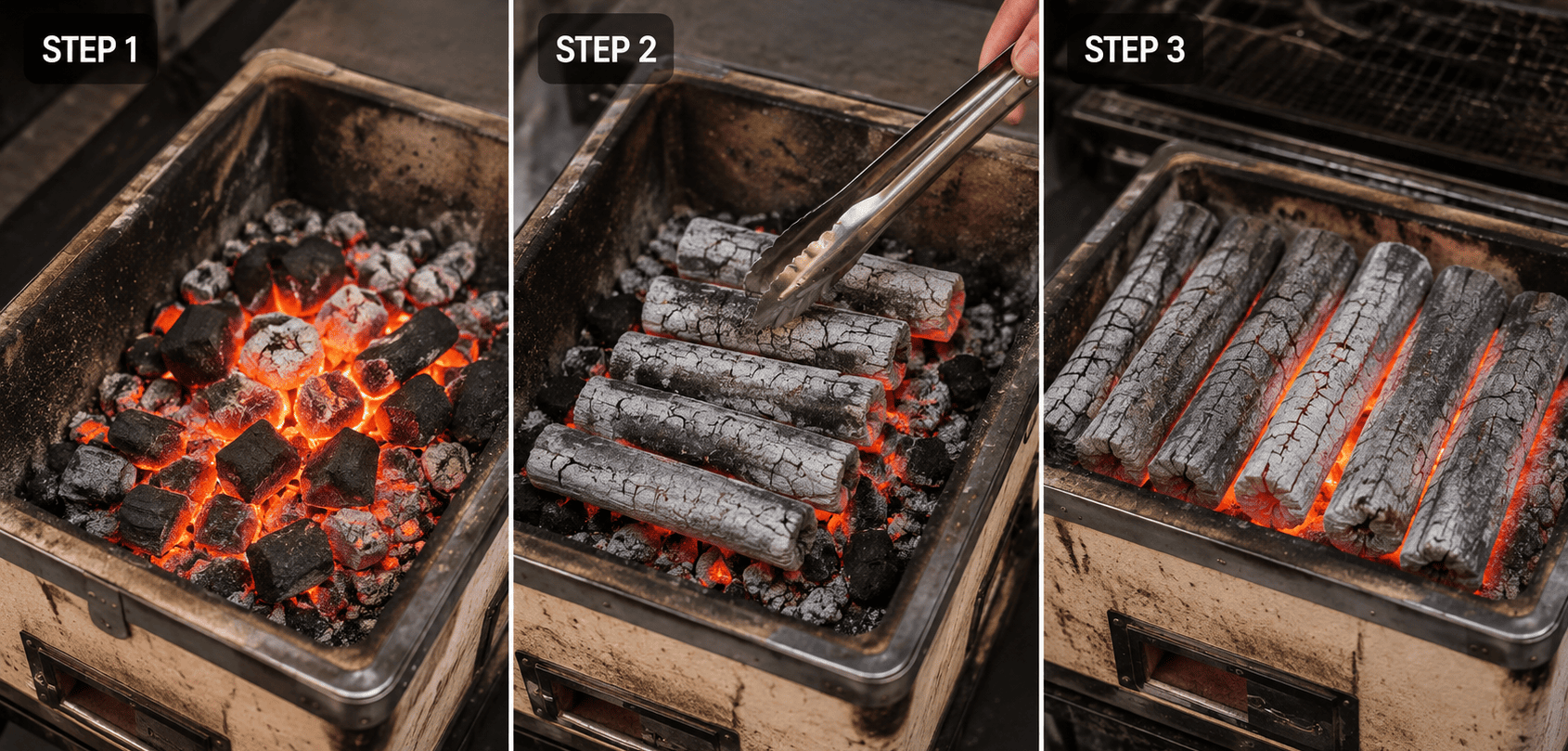
Ignite a small bed of standard softwood lump charcoal or hardwood briquettes inside your grill until they are burning red-hot and covered in ash. This soft charcoal bed acts as an accessible, high-heat kindling layer that will slowly feed energy into the dense Binchotan logs laid above it.
Step 2: Nesting Binchotan Safely On The Embers
Lay your Binchotan sticks horizontally across the glowing embers of the lump charcoal, spacing them slightly apart so they soak up the heat. Let the logs rest directly on the fire bed for about 20 to 30 minutes, turning them occasionally with tongs until the Binchotan logs catch fire and glow from within.
Step 3: Arranging For Optimal Airflow In The Konro
Once glowing, arrange the Binchotan logs side-by-side in a uniform layer across your Konro grill bed to create a focused cooking zone. Leave small gaps between the logs and open the ventilation windows of your grill to maintain steady air circulation, which keeps the charcoal burning at maximum temperature.
Pro Tips For Maintaining Heat And Extending Burn Time
Once your charcoal is burning smoothly, simple operational adjustments help maximize heat efficiency and keep your grill running hot for hours. Taking proactive care of your fire bed prevents sudden temperature drops mid-cook.
Controlling Airflow During Cooking
Adjust the side vents on your charcoal grill or ceramic Konro to regulate oxygen intake and control heat levels precisely. Widening the vents increases air circulation for searing high-temperature steaks, while narrowing the vents dampens heat output for slow-roasting delicate fish or skewers.
How To Add New Binchotan Without Losing Heat
When adding fresh pieces during long cooking sessions, place new Binchotan sticks next to active glowing logs rather than tossing cold sticks directly on top. Pre-warming new pieces along the edges of the fire box reduces thermal shock and ensures a smooth heat transfer without cooling down your grate.
Proper Ash Management
Although high-grade Binchotan produces very minimal ash compared to standard lump charcoal, lingering ash can eventually blanket active embers and choke airflow. Gently tap the burning logs with your metal tongs every hour to drop loose surface ash down into the collection pan.
Safe Extinguishing And Reusing Your Binchotan
One of the greatest benefits of Binchotan is that unburned pieces can be safely extinguished and relit multiple times. Proper extinguishing techniques preserve the structural integrity of the fuel for your next barbecue.
Using A Keshitsubo (Extinguishing Pot)
The safest and cleanest way to extinguish Binchotan is by placing hot logs into a heavy cast-iron or ceramic extinguishing pot (Keshitsubo) and sealing the airtight lid tight. Deprived of oxygen, the fire naturally smolders out in a short time while keeping the charcoal completely dry and ready for immediate reuse.
The Water Submersion Method
If you do not own an extinguishing pot, use long metal tongs to submerge hot Binchotan logs individually into a metal bucket filled with clean water. Never pour water directly into your ceramic Konro grill, as thermal shock will crack the clay body of your cooker instantly.
Drying And Storing For The Next Session
If you extinguish your charcoal in water, lay the wet pieces out under direct sunlight for several days until they are completely dry to the core. Store all dry Binchotan in a sealed plastic container with silica gel packets inside a low-humidity room to prevent moisture absorption, which is crucial when lighting hard to burn Binchotan in your next session.
Conclusion
Mastering how to light Binchotan charcoal gives you unbeatable heat control, long burn times, and a superior grilling experience. Ready to elevate your restaurant operations? Partner with Lamian Global for premium, factory-direct white charcoal supplies. Contact our B2B Export Team to request FOB/CIF pricing, book a facility audit, or request a complimentary sample kit:
- Company: Lamian Global
- Headquarters: 47 Street 36, Van Phuc Residential Area, Hiep Binh Ward, Ho Chi Minh City, Vietnam, 700000
- Hotline / WhatsApp / Commercial Line: +84 812 036 789
- Email: contact.charcoal@lamianglobal.com
- Website: https://lamiancharcoal.com/