
The mangrove charcoal manufacturing process uses traditional brick dome kilns and controlled carbonization over 15–20 days. From raw wood preparation and kiln loading to carbonization, cooling, and grading, each stage influences the final charcoal quality and performance.
1. Overview of the Mangrove Charcoal Manufacturing Process
The mangrove charcoal manufacturing process relies on traditional brick dome kilns to gradually convert raw wood into dense carbon fuel over a two-to-three-week cycle. By carefully regulating heat, moisture evaporation, and airflow, craftsmen ensure complete carbonization while maximizing energy density, resulting in a premium product preferred for smokeless, long-lasting industrial and culinary use worldwide.
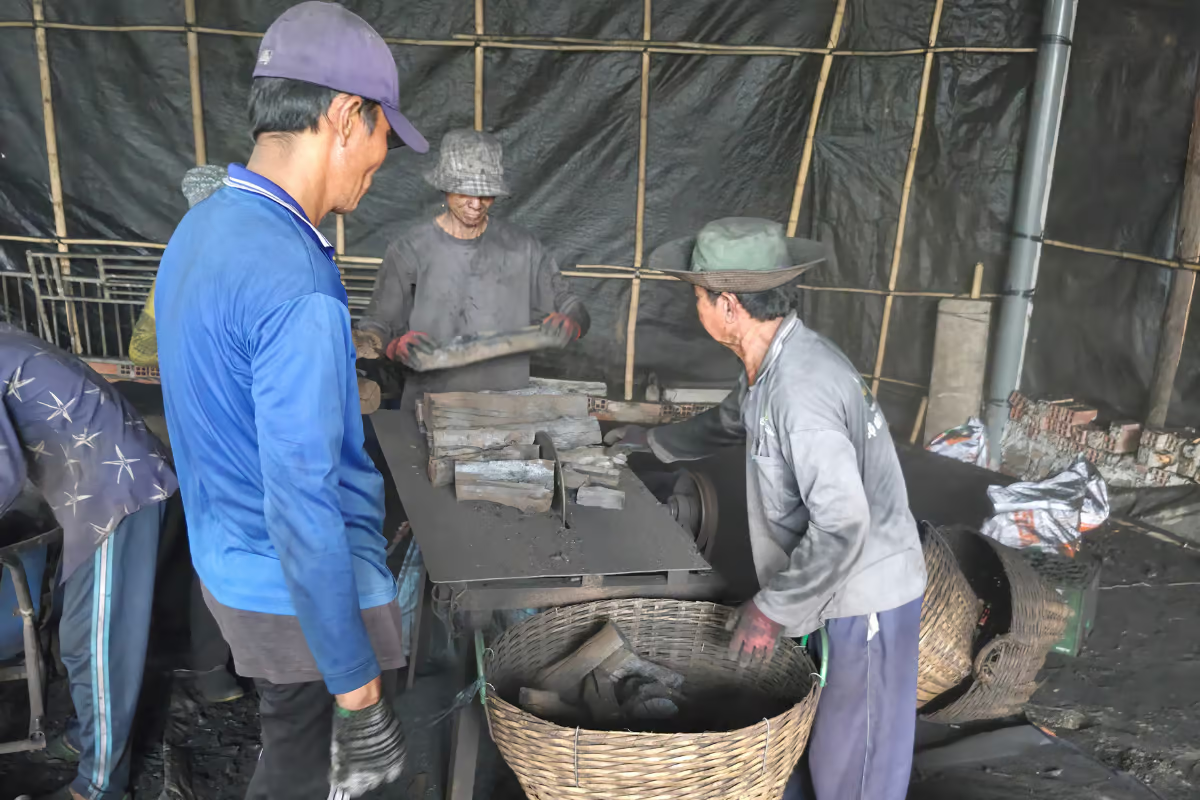
2. Raw Material Preparation
Preparing raw timber correctly is essential for a clean and efficient burn. The following steps show how wood is selected and dried.
Selecting Suitable Mangrove Wood
Selecting dense, mature mangrove wood provides the foundation for durable charcoal that burns hot and lasts longer without producing excessive ash. Wood harvesters carefully choose legally sourced logs with ideal trunk thickness to ensure consistent density and high carbon content.
Drying and Preparing Wood for Carbonization
Drying green mangrove logs reduces internal moisture, preventing premature kiln cracking and cutting down overall carbonization time. Workers trim the logs to standard lengths and allow them to air-dry naturally under covered sheds before stacking them into the kiln.
3. Brick Dome Kiln Design and Preparation
A well-built brick kiln helps control airflow and retain intense heat inside. Here is how the kiln structure is set up for burning.
Structure of a Traditional Brick Dome Kiln
The traditional brick dome kiln features heavy clay-brick walls that trap extreme heat and withstand repeated high-temperature thermal cycles. Its curved dome shape distributes internal heat evenly while built-in air vents allow operators to control oxygen levels during the burn.
Wood Stacking for Controlled Airflow
Stacking wood vertically with minimal gaps maximizes kiln capacity while maintaining small draft channels necessary for uniform heat circulation. Heavier, thicker logs are placed near the core, while lighter pieces fill outer areas to ensure every log carbonizes evenly.
Kiln Sealing and Ignition
Sealing all brick joints with clay mortar isolates the internal environment, allowing fire to be safely ignited through a small intake port. Once ignited, operators closely monitor early smoke emissions to confirm that the heat is spreading properly throughout the chamber.
4. The 15–20 Day Brick Dome Kiln Carbonization Process
Carbonization takes 15 to 20 days and passes through three clear stages. Managing each phase carefully guarantees high charcoal quality.
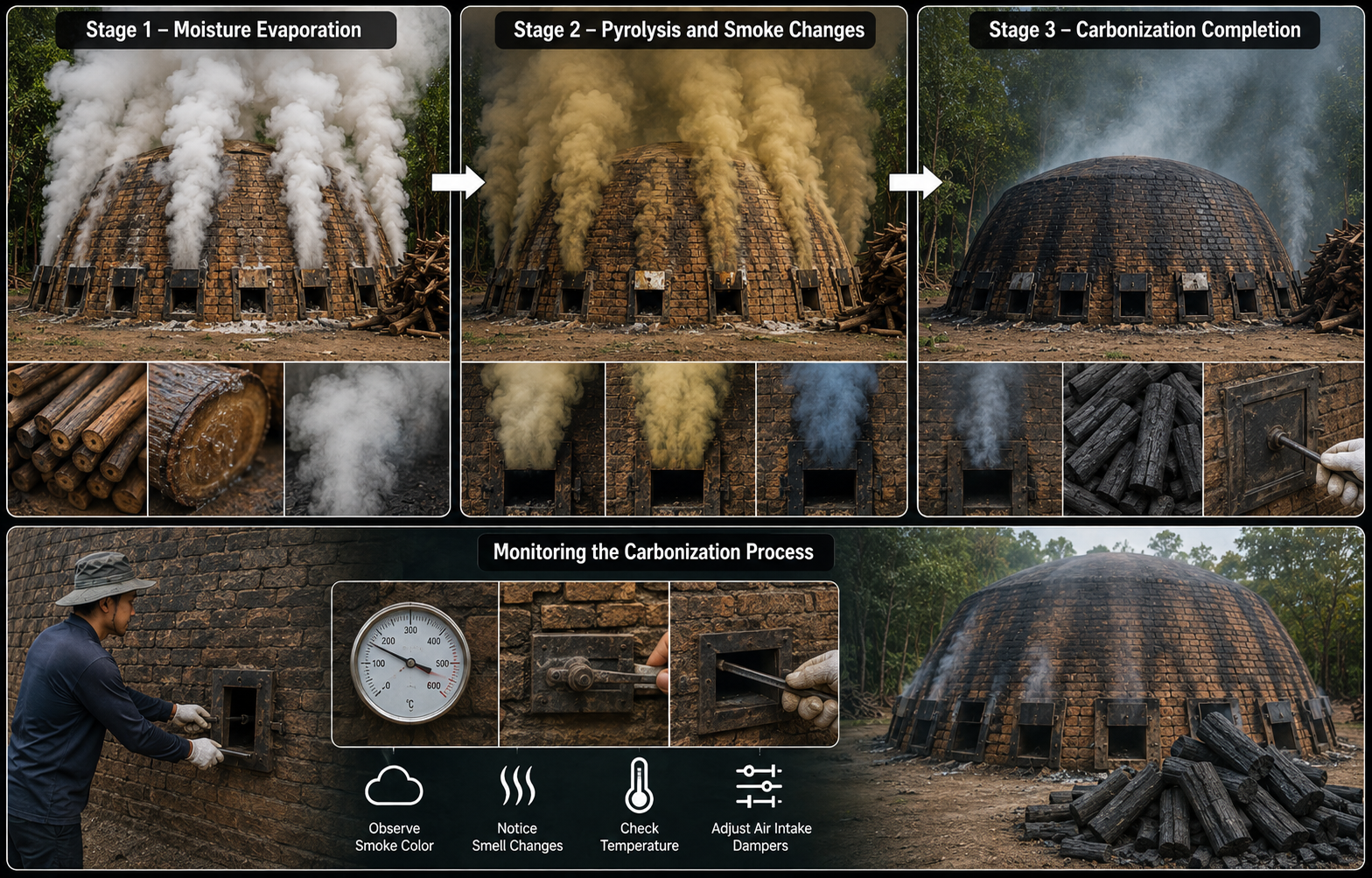
Stage 1 – Moisture Evaporation
During the initial moisture evaporation stage, gentle heat drives remaining water out of the damp mangrove wood as thick white steam. Maintaining low, steady temperatures prevents internal steam pressure from cracking the wood fiber before true pyrolysis begins.
Stage 2 – Pyrolysis and Smoke Changes
As temperatures rise above 300°C, pyrolysis breaks down wood compounds, causing the smoke to transition from thick white to heavy yellow-grey and finally light blue. This color shift signals that volatile gases are escaping and carbonization is actively progressing throughout the stack.
Stage 3 – Carbonization Completion
Carbonization completes when the smoke turns faint and clear, indicating that almost all volatile compounds have burned away and pure carbon remains. Operators immediately shut off primary air supply ports to halt combustion and seal the thermal chamber.
Monitoring the Carbonization Process
Monitoring smoke color, smell, and temperature variations around the outer brick walls enables experienced operators to adjust air intake dampers instantly. This continuous vigilance prevents localized over-burning and guarantees uniform lump charcoal quality throughout the entire batch.
5. Cooling, Extraction and Post-Kiln Handling
Slow cooling protects the newly formed charcoal from breaking or catching fire. The steps below explain how to handle the product safely.
Why Slow Cooling Prevents Charcoal Cracking
Slow, natural cooling inside a sealed airtight environment prevents thermal shock, which can cause high-density charcoal to fracture into small, low-value pieces. Allowing heat to dissipate gradually over several days keeps the lump pieces solid, sturdy, and highly marketable.
Safe Extraction Timing After Sealing
Extracting charcoal only after the internal kiln temperature drops completely stops fresh oxygen from reigniting hot embers into open flames upon opening. Workers carefully breach the sealed doorway only after confirming the kiln walls are cool to the touch.
Sorting Charcoal by Size and Density
Sorting unburned embers and small fragments away from large premium lumps optimizes commercial value for different customer requirements. Heavy, solid pieces are separated for premium export markets, while smaller fragments are directed to secondary fuel applications.
6. Cooling and Post-Carbonization Handling
Allowing extracted charcoal to rest in covered, well-ventilated storage sheds stabilizes its temperature and moisture levels before final packaging. This secondary stabilization step prevents accidental spontaneous combustion and ensures the product remains fully dry, stable, and ready for long-distance transport.
7. Quality Control Before Packaging and Export
Final inspections confirm that every batch meets standard commercial requirements. Below are the core testing and packing procedures.
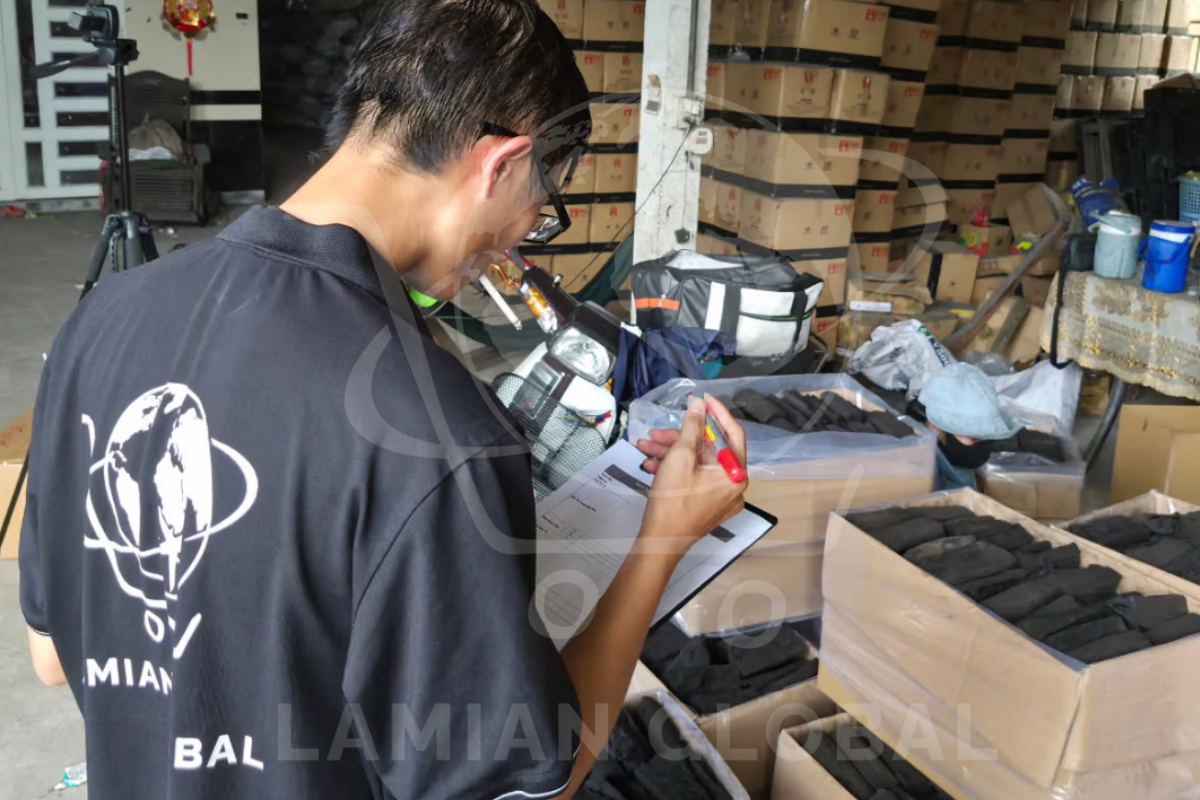
7.1 Checking Moisture, Ash, and Physical Condition
Quality control technicians test random samples to confirm low moisture levels, minimal ash content, and high mechanical hardness before approving batches. Meeting these strict physical standards ensures clean combustion, zero unwanted odor, and high heat output for international buyers.
7.2 Sorting and Packaging for Commercial Orders
Final packaging involves screening out leftover dust and sealing uniform charcoal lumps into durable, moisture-proof bags or cartons tailored to client specifications. Proper labeling and secure palletization keep the product pristine and intact throughout maritime shipping and long-term storage.
8. Conclusion
The 15–20 day brick dome kiln method produces premium mangrove charcoal through controlled heat and gradual cooling. Strict monitoring and quality checks guarantee high heat output, minimal ash, and long burn times. Ultimately, this traditional process supplies a reliable energy source that fulfills global commercial standards.
9. Secure Your Commercial Charcoal Supply Chain
Partner with Lamian Global to stabilize your fuel costs, elevate food presentation, and streamline container procurement for your restaurant chain. Contact our B2B Export Team today to request factory-direct FOB/CIF pricing, schedule a virtual facility audit, or order a complimentary sample test kit for your culinary team.
- Company: Lamian Global
- Headquarters: 47 Street 36, Van Phuc Residential Area, Hiep Binh
- Ward, Ho Chi Minh City, Vietnam, 700000
- Hotline / WhatsApp / Commercial Line: +84 812 036 789
- Email: contact.charcoal@lamianglobal.com
- Website: https://lamiancharcoal.com/