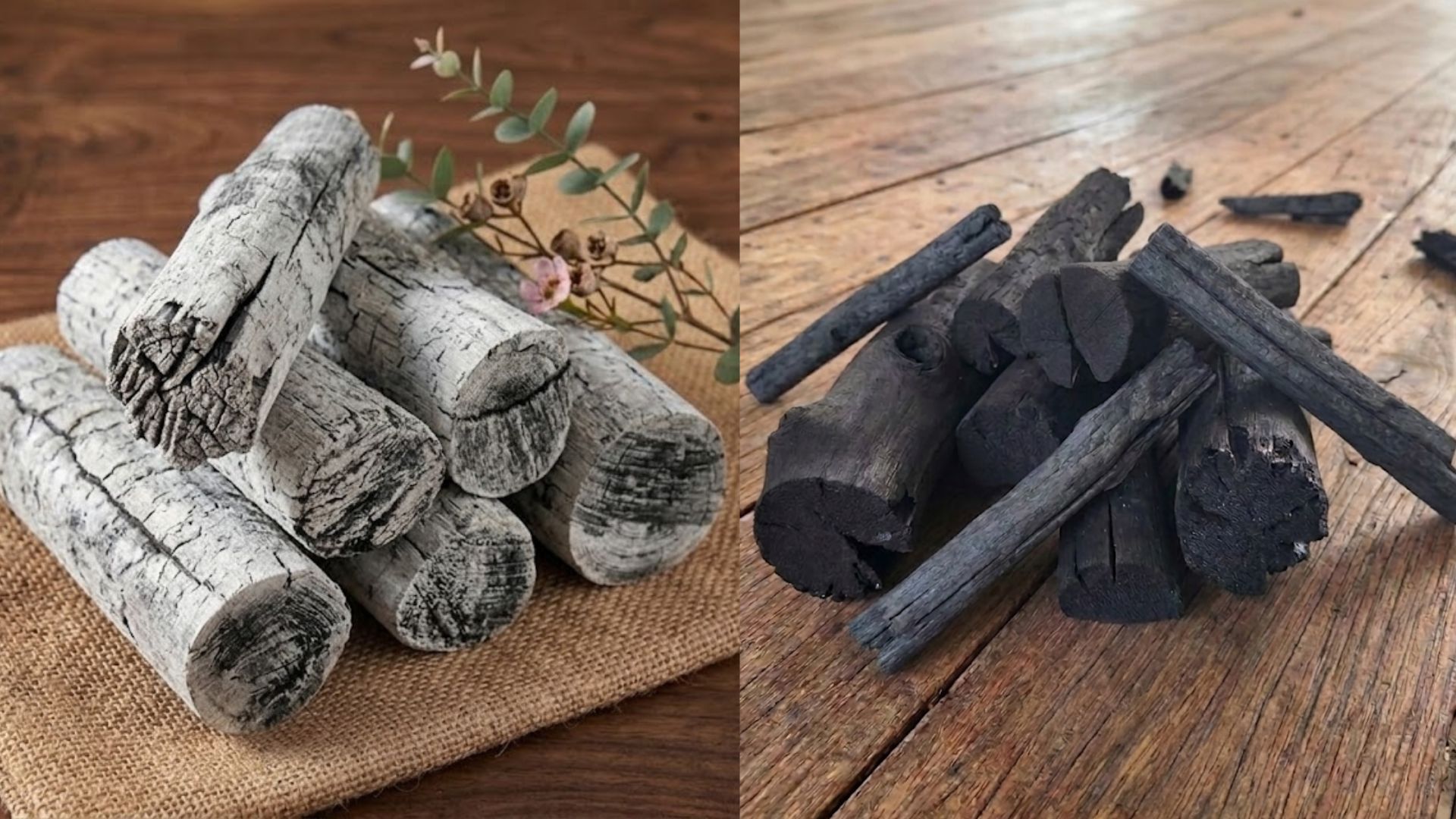
When choosing charcoal for professional grilling, the difference between white charcoal (Binchotan) and regular black charcoal is significant. Binchotan is widely regarded as superior thanks to its extreme hardness, higher fixed carbon content, almost smokeless burn and exceptional heat stability. This guide compares the two types in detail so restaurants, importers and BBQ operators can understand exactly why Binchotan delivers better performance for high-end applications.
White Charcoal vs Black Charcoal: Core Differences
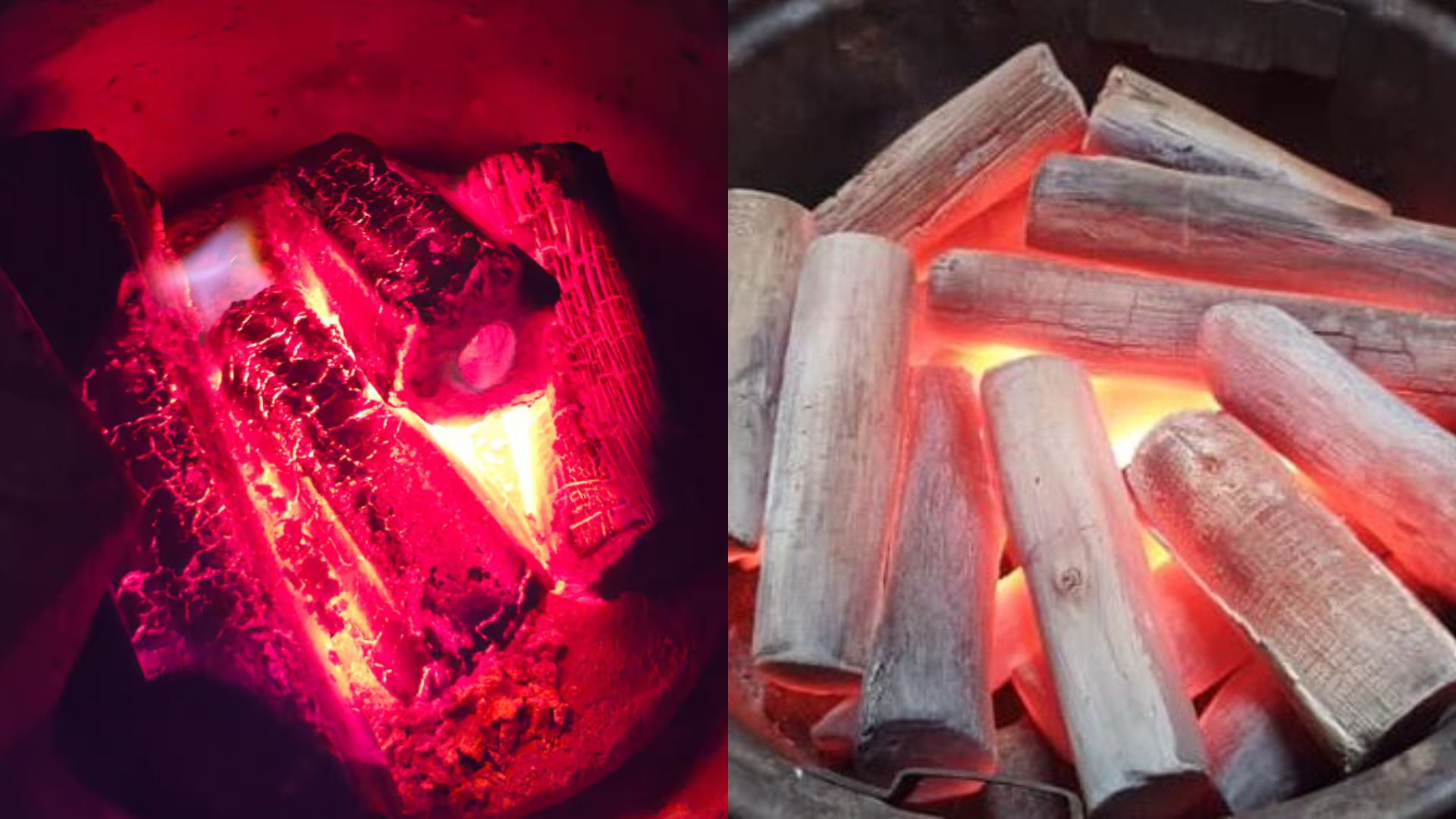
Binchotan (white charcoal) is a premium charcoal known for extremely high fixed carbon (typically 90-95%+), exceptional hardness that produces a metallic ring when struck, almost no smoke or odor, and very stable, long-lasting heat. These qualities make it ideal for high-end grilling such as yakitori, robata and fine-dining applications.
Regular black charcoal, by contrast, is produced at lower temperatures and cooled slowly inside a sealed kiln. It lights more easily, burns with more visible flame and is more affordable, making it suitable for everyday BBQ and high-volume use.
The decisive difference between the two lies in the carbonization temperature and the cooling method, even when both start from the same dense hardwood.
How Binchotan and Black Charcoal Are Produced
The key difference between Binchotan and regular black charcoal lies in the carbonization temperature and cooling method, even when both are made from the same dense hardwood.
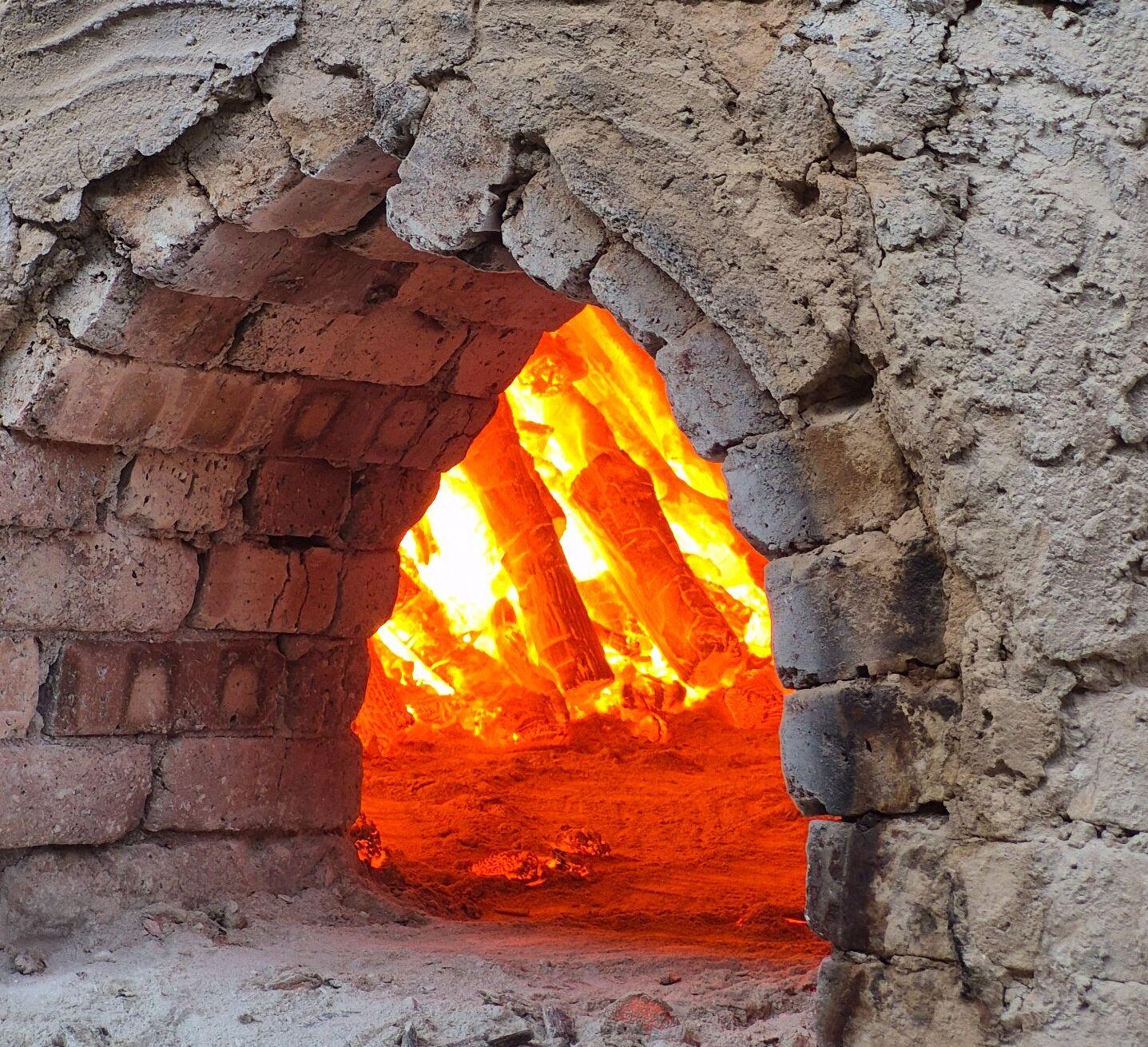
- Binchotan (White Charcoal): Fired in specialized kilns for 12-15 days. In the final stage, the temperature is raised to 1,000-1,200°C. Workers then open the kiln, allowing air in to make the charcoal glow bright red-hot. Finally, it is rapidly pulled out and smothered with a mixture of ash and earth (or quickly cooled in steel drums for modern production), which gives its surface the signature greyish-white ash coating.
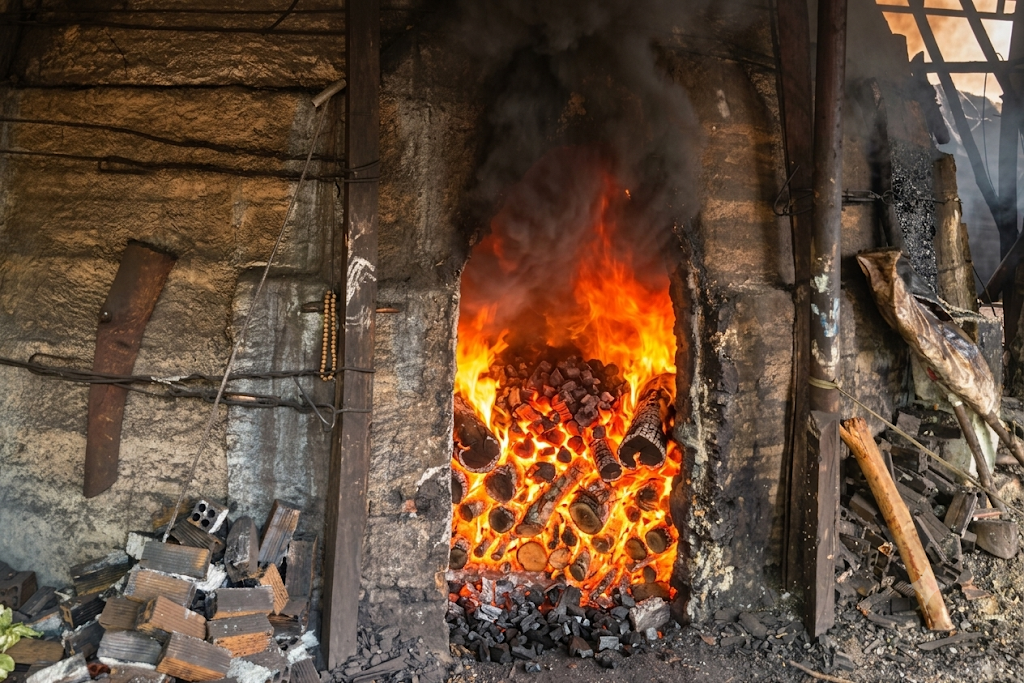
- Black Charcoal: Carbonized at lower temperatures (typically 400-700°C) and cooled slowly inside the sealed kiln. This results in a softer structure and lower fixed carbon.
Fixed Carbon, Hardness & Burn Performance
Binchotan typically reaches fixed carbon levels of 90-95% or higher and delivers a longer, more stable burn with almost no smoke or odor and strong infrared heat. It also leaves significantly less ash, keeping the fire cleaner and maintaining better airflow throughout service.
Black charcoal has lower fixed carbon, a softer structure, burns faster, produces more smoke and offers less consistent heat over time.
White Charcoal vs Black Charcoal – Detailed Comparison
Below is a clear comparison of white charcoal (Binchotan) and regular black charcoal across the most critical parameters that affect grilling performance, from production method to final burn quality.
| Parameter | Binchotan (White Charcoal) |
Regular Black Charcoal
|
|
Firing Temperature
|
1,000-1,200°C |
Lower (typically 400-700°C)
|
| Cooling Method | Rapid removal + natural cooling in steel drums |
Sealed cooling inside the kiln
|
| Fixed Carbon | Very high (typically 90-95%+) | High but lower |
| Hardness | Extremely hard (metallic ring) |
Hard but less dense
|
| Smoke & Odor | Almost none | Low to moderate |
| Burn Time | Very long and stable | Long |
| Appearance | Greyish-white surface ash | Uniform black |
| Price | Significantly higher | More accessible |
Which Charcoal Should You Choose?
The right charcoal depends on your kitchen’s priorities – performance and purity, or cost and convenience.
Choose Binchotan when you need:
- Long, stable heat and precise temperature control
- Almost smoke-free and odorless combustion
- Consistent performance for fine dining, yakitori, robata and high-end BBQ
Choose Black Charcoal when you need:
- Fast lighting and lower cost
- Practical performance for high-volume or casual grilling
- Shorter service periods where maximum purity is less critical
How Professional Exporters Ensure Consistent Quality
For international buyers, restaurant chains, and BBQ operators, consistency is just as important as peak performance. Reliable exporters like Lamian Global implement rigorous Quality Control (QC) systems at every stage of the supply chain to ensure every container meets strict technical standards before shipping:
- Strict Hardwood Selection: Quality begins at the source. Producers exclusively select high-density hardwoods with optimal moisture levels to prevent cracking during the extreme 1,200°C firing process and guarantee a stable fixed carbon yield.
- Standardized Sizing & Grading: To meet diverse culinary needs, export-grade Binchotan is meticulously hand-sorted by length, diameter, and shape (full-round or half-cut). This ensures a perfect fit for any kitchen setup, from narrow tabletop Konro to large commercial Robata grills.
- Rigorous Pre-Shipment Quality Control: Before packing, the charcoal undergoes physical and chemical evaluations. Technicians perform the “metallic ring” strike test to confirm extreme density, alongside laboratory checks for high fixed carbon (90%+) and low ash content.
- Moisture-Proof Export Packaging: To protect the charcoal from absorbing ocean humidity during long transit times, it is packed in heavy-duty corrugated cartons lined with thick, moisture-proof plastic bags. This guarantees the Binchotan arrives completely dry, preserving its spark-free and odorless characteristics.
Frequently Asked Questions
Below are answers to some of the most common questions buyers ask when comparing Binchotan (white charcoal) with regular black charcoal.
- Is Binchotan almost completely smokeless? Yes. Once fully lit, properly made Binchotan produces minimal smoke and odor due to its very high fixed carbon content.
- Does Binchotan last longer than regular black charcoal? Yes. It generally provides a longer and more stable burn with better heat retention, reducing the need for frequent refueling during service.
- Can both types be made from the same wood? Yes. The same dense hardwood can be used. The key difference comes from the higher final temperature and rapid cooling method applied to Binchotan.
Conclusion
Binchotan (white charcoal) is superior to regular black charcoal in hardness, fixed carbon content, burn stability, cleanliness and heat quality thanks to its unique high-temperature production and rapid cooling method. While black charcoal remains practical for many everyday applications, Binchotan is the clear choice for professional kitchens that demand consistent, high-performance results.
Ready to choose the superior charcoal for your kitchen?
Contact Lamian Charcoal for product specifications, samples and wholesale quotations of premium Binchotan (white charcoal) and high-quality black charcoal from Vietnam.
- Email: contact.charcoal@lamianglobal.com
- WhatsApp / Hotline: +84 812 036 789
- Website: https://lamiancharcoal.com/