For restaurants, steakhouses and professional BBQ operators, the choice between Mangrove Charcoal vs White Charcoal (Binchotan) is a decision about balancing cost and performance. Both offer high fixed carbon and clean burning, yet they differ clearly in peak temperature, burn time, hardness and price. This practical guide compares the two options so buyers can select the fuel that delivers the best value for their operation.
Understanding the Mangrove Charcoal vs White Charcoal
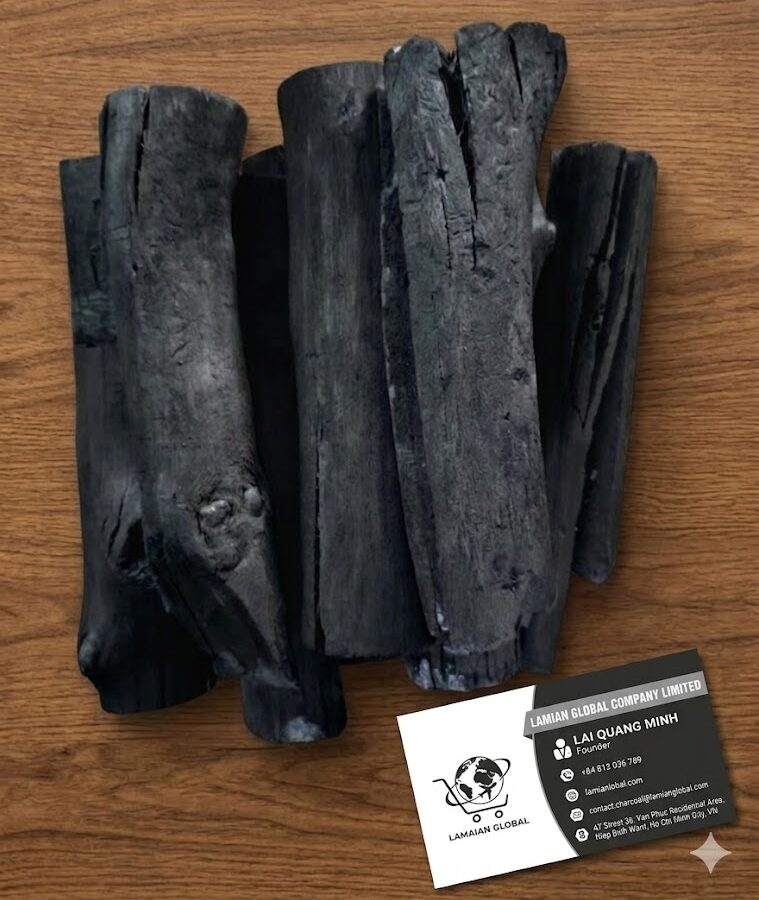
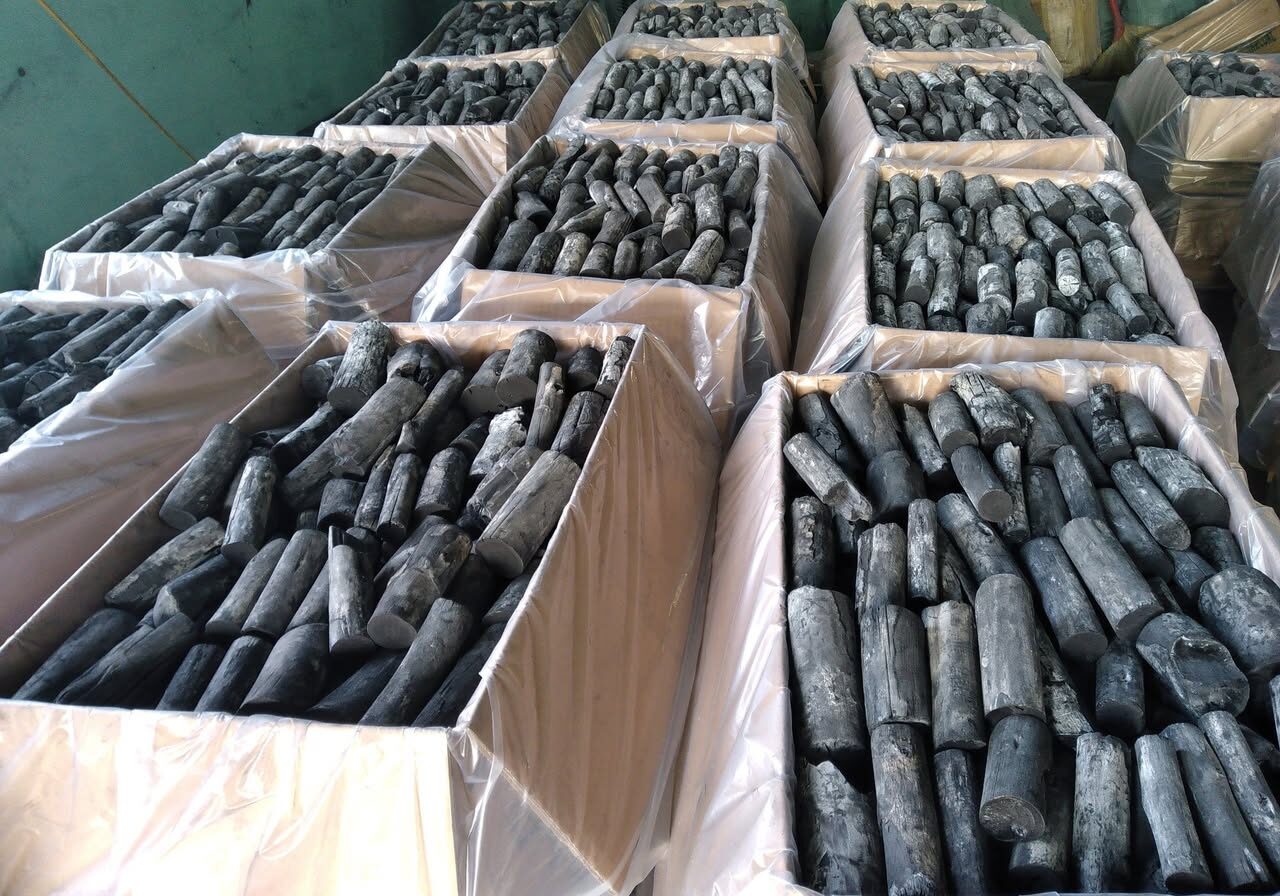
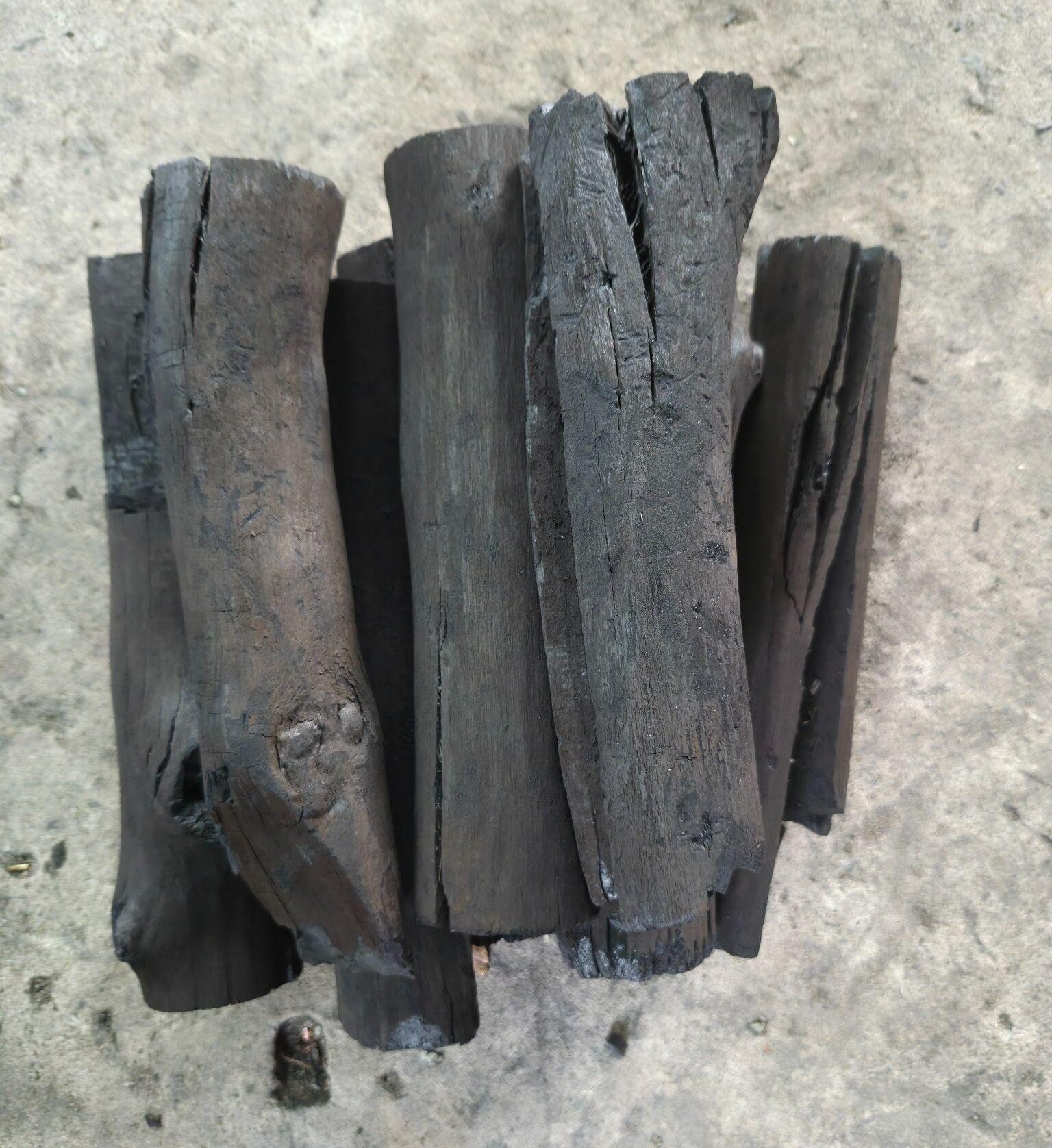
Mangrove charcoal is produced from dense mangrove wood harvested in Southern Vietnam. Premium grades offer fixed carbon typically in the 70–78% range, stable heat up to approximately 850–900°C, burn times of 3.5–5 hours and low ash. Its competitive price makes it especially suitable for continuous commercial service.
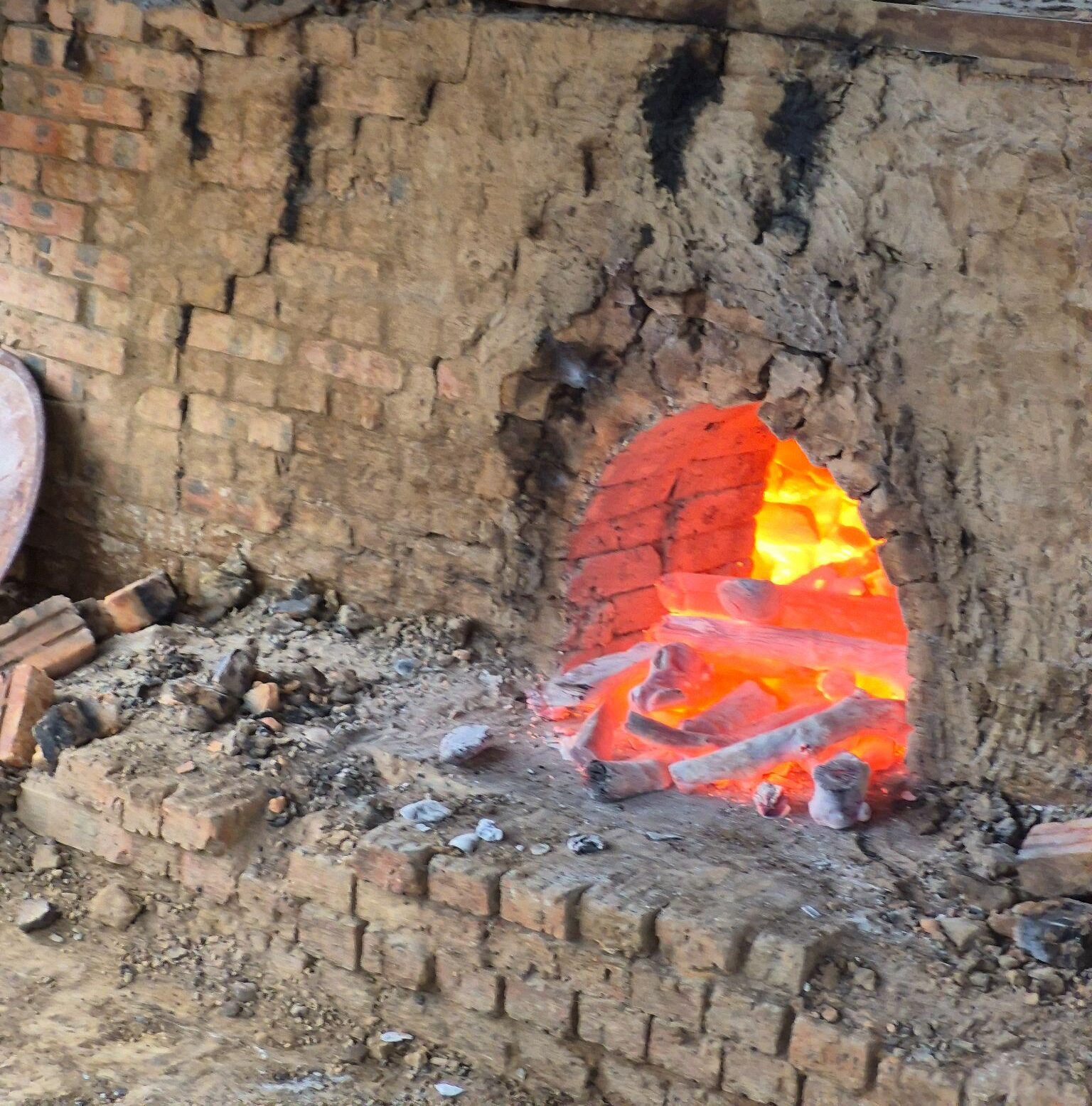
White charcoal (Binchotan) is refined at very high temperatures (roughly 1,000–1,200°C) and rapidly cooled. The result is an extremely hard charcoal with fixed carbon often above 90–95%, almost no smoke, strong infrared heat and burn times of 4–6 hours or longer. It is the preferred choice for fine-dining, yakitori and high-end Japanese or Korean BBQ concepts that prioritize maximum purity and prestige.
Explore our premium mangrove charcoal – stable 850–900°C heat, long burn time and competitive price.
Key Differences: Cost vs Performance
The core decision for professional buyers is how much additional performance is required relative to budget. Based on typical industry specifications, the comparison is as follows:
| Parameter | Premium Mangrove Charcoal |
White Charcoal (Binchotan)
|
| Raw Material | Dense mangrove wood (Southern Vietnam) | Dense hardwood |
| Fixed Carbon | Typically 70–78% (premium grades) | Often 90%+ |
|
Peak Temperature
|
Up to ~850–900°C (stable under good airflow) |
High & very consistent + strong infrared
|
| Burn Time | 3.5–5 hours | 4–6+ hours |
| Hardness | High |
Extremely hard (metallic ring)
|
| Ash & Smoke | Low | Extremely low |
| Relative Price | More competitive |
Significantly higher
|
| Best Value For | High-volume restaurants & commercial BBQ |
Fine dining & premium concepts
|
- Heat and Stability: Mangrove charcoal delivers reliable searing temperatures suitable for steaks, Korean BBQ and continuous service. Binchotan provides higher purity and stronger infrared characteristics that some chefs prefer for precise control and delicate proteins.
- Burn Time: Both fuels offer long service. Premium mangrove charcoal commonly provides 3.5–5 hours of usable heat. Top-grade Binchotan can extend further, reducing refueling frequency on long shifts.
- Cost-Performance Balance: Actual performance depends on production consistency, piece size and grill conditions. For most high-volume commercial kitchens, mangrove charcoal from Southern Vietnam delivers strong heat and practical burn times at a more accessible price, offering the better overall value. White charcoal justifies its premium mainly when absolute purity and prestige are required.
Which Should You Choose: Mangrove Charcoal vs White Charcoal (Binchotan)?
Not every kitchen needs the same level of performance. Match the fuel to your menu, service volume and budget.
Choose Mangrove Charcoal if you need:
- Reliable high heat for professional BBQ and restaurant service
- Longer burn time with lower fuel cost
- Strong cost-performance balance for high-volume operations
Choose White Charcoal (Binchotan) if you need:
- Maximum purity and almost zero smoke
- Extremely long, stable burn
- Premium positioning for fine dining or specialty concepts
Many professional kitchens successfully use both grades — Binchotan on signature stations and mangrove charcoal for volume service.
Why Quality Control Matters More Than the Category
Batch-to-batch consistency is often more important than the charcoal type itself. Variations in fixed carbon, moisture, ash content and sizing can affect real-world results more than the theoretical differences between categories. Mangrove charcoal can also show slightly lower hardness and reusability compared with top-grade Binchotan, depending on the production process.
Reputable exporters apply strict source control on mangrove wood, monitor carbonization parameters and inspect every shipment. Laboratory verification of key parameters (fixed carbon, ash, moisture and calorific value) together with transparent packaging helps ensure that sample performance matches bulk deliveries.
Frequently Asked Questions
Still have questions about heat, burn time or value? Here are the most common points professional buyers ask before placing an order.
Is mangrove charcoal better value than Binchotan?
For most high-volume restaurants and commercial BBQ operations, yes. It delivers strong heat (up to approximately 900°C) and practical burn times at a more competitive price.
Does Binchotan burn longer than mangrove charcoal?
Top-grade Binchotan often lasts longer (4–6+ hours). However, premium mangrove charcoal already provides excellent 3.5–5 hour performance that meets the needs of most commercial services.
Why is white charcoal more expensive?
Because of the high-temperature refining process (1,000–1,200°C), specialized cooling methods and limited supply of the highest grades.
What packaging is available for mangrove charcoal?
PP bags, kraft paper bags, carton boxes and full OEM packaging with custom printing.
Conclusion
Mangrove charcoal and white charcoal (Binchotan) occupy different positions on the cost–performance spectrum. Premium mangrove charcoal from Southern Vietnam offers a dense structure, competitive fixed carbon levels, usable temperatures approaching 900°C and practical burn times at a price that suits the majority of high-volume professional kitchens. White charcoal delivers peak purity, hardness and longevity for concepts that require – and can absorb – the higher cost.
Choose according to your actual heat requirements, service volume and budget. Consistent quality and reliable supply remain the deciding factors for long-term operational success.
Ready to find the best cost-performance charcoal for your business?
Contact Lamian Charcoal for product specifications, samples and wholesale quotations of premium mangrove charcoal.
- Email: contact.charcoal@lamianglobal.com
- WhatsApp / Hotline: +84 812 036 789
- Website: https://lamiancharcoal.com/