Choosing the right charcoal can make or break a BBQ session – especially for restaurants and professional grillers who need consistent heat, low ash, and cost efficiency. Two leading options today are Sawdust charcoal vs Coconut shell charcoal.
Both are eco-friendly byproducts, yet they differ sharply in burn time, calorific value, ash content, and real-world performance. This guide compares them side by side, shows you how to test quality properly, and helps you choose the better fuel for your specific BBQ needs.
Understanding Sawdust Charcoal Briquettes and Coconut Shell Charcoal
Both types are sustainable because they utilize industrial byproducts rather than cutting whole trees specifically for fuel.
What Are Sawdust Charcoal Briquettes?
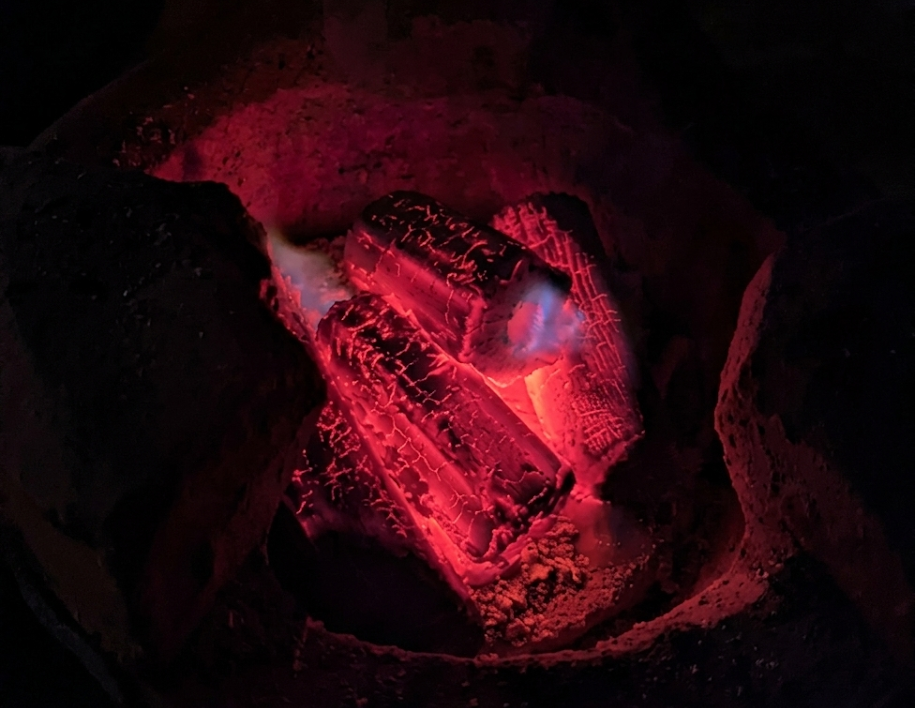
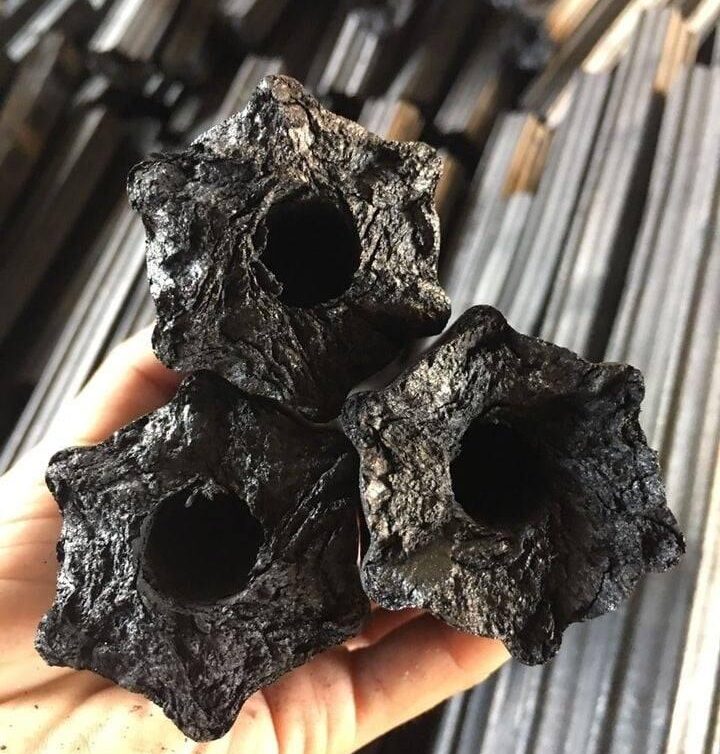
Sawdust charcoal briquettes are produced by crushing dry sawdust (usually from hardwood or mixed timber waste), compressing it under high pressure into dense logs or hexagonal bars, and then carbonizing the briquettes in specialized kilns.
The result is a uniform, high-density fuel with excellent consistency in size, shape, and burning performance. High-quality versions are binder-free and feature low moisture (≤5%) and controlled ash content.
What Is Coconut Shell Charcoal?
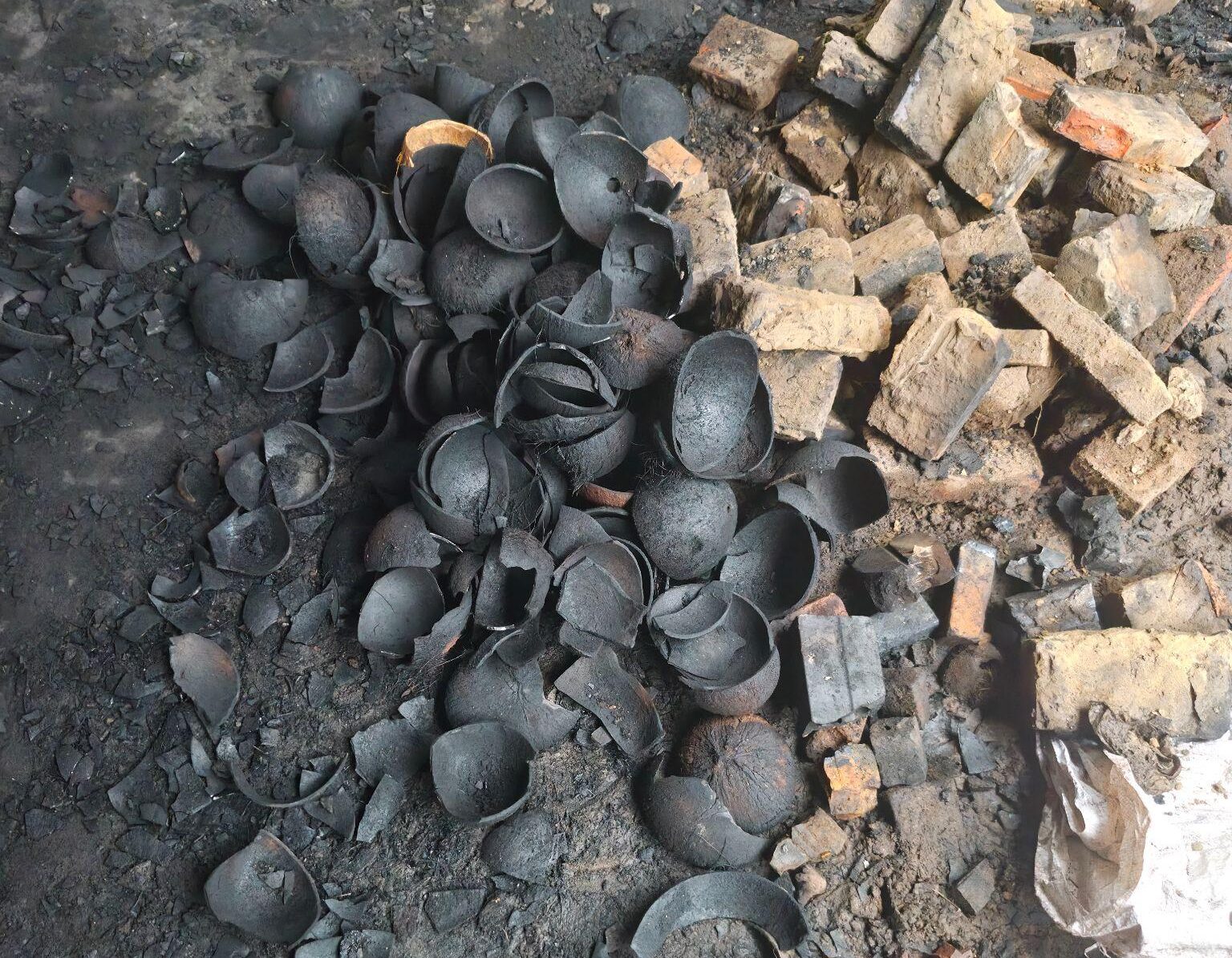
Coconut shell charcoal starts with mature coconut shells that are carbonized, ground into powder, mixed with a small amount of binder, shaped into cubes, hexagons or other forms, and then re-carbonized. It is denser than most wood-based charcoal and known for very clean combustion with minimal smoke and ash.
Head-to-Head Comparison: Burn Time, Heat, Ash & Cost
Here is a clear technical comparison based on typical export-grade products from Vietnam and other major producing countries:
| Feature | Sawdust Charcoal Briquettes |
Coconut Shell Charcoal
|
| Burn time | 5-6+ hours | 3-4 hours |
| Calorific value | ≈ 7,900 kcal/kg | ≈ 7,000 kcal/kg |
| Heat character | Steady, consistent heat |
High intensity, faster peak
|
| Ash content | Low (max 2-3%) | Very low (1-3%) |
| Smoke | Smokeless / very low smoke | Extremely clean |
|
Density & uniformity
|
High, uniform shape & size |
Dense, often cube or hexagon
|
|
Cost per hour of usable heat
|
Lower for long sessions |
Higher for extended grilling
|
| Best for | Commercial BBQ, Korean/Japanese Grills |
Shisha/Hookah, High-Heat Quick Searing
|
Key Operational Insight: Sawdust charcoal briquettes excel in long burning sessions thanks to their high density and gradual fuel release. Coconut shell charcoal reaches higher peak temperatures faster but depletes more quickly, requiring more frequent refills during extended service.
Which Charcoal Performs Better for Different BBQ Scenarios?
Not every type of charcoal suits every grilling situation. Session length, scale of operation, and heat goals will determine the optimal choice between sawdust charcoal briquettes and coconut shell charcoal.
Commercial restaurants and BBQ chains
For dinner services lasting 4-6 hours or more, sawdust charcoal briquettes usually deliver better value. Fewer refills mean lower labor costs, more consistent cooking temperatures, and less interruption. Many restaurant operators report 20-30% better cost-per-hour performance compared with coconut charcoal.
Looking for high-grade natural wood options? Explore our comprehensive guide on Vietnam Mangrove Charcoal Wholesale.
Shisha lounges & rapid high-heat searing
For table-side Shisha/Hookah pipes or quick, high-intensity steak searing where short, intense thermal bursts are needed, coconut shell cubes shine. Their pure white ash and zero-spark profile make them the global gold standard for hookah venues.
Environmental & sustainability compliance
Both fuels support corporate ESG goals. Sawdust briquettes repurpose sawmill timber waste, while coconut briquettes utilize discarded agricultural hulls. Neither contributes to primary deforestation.
How to Test Sawdust charcoal vs Coconut shell charcoal Properly
Professional buyers never rely on price alone. Here is a practical checklist used by experienced importers and restaurant chains:
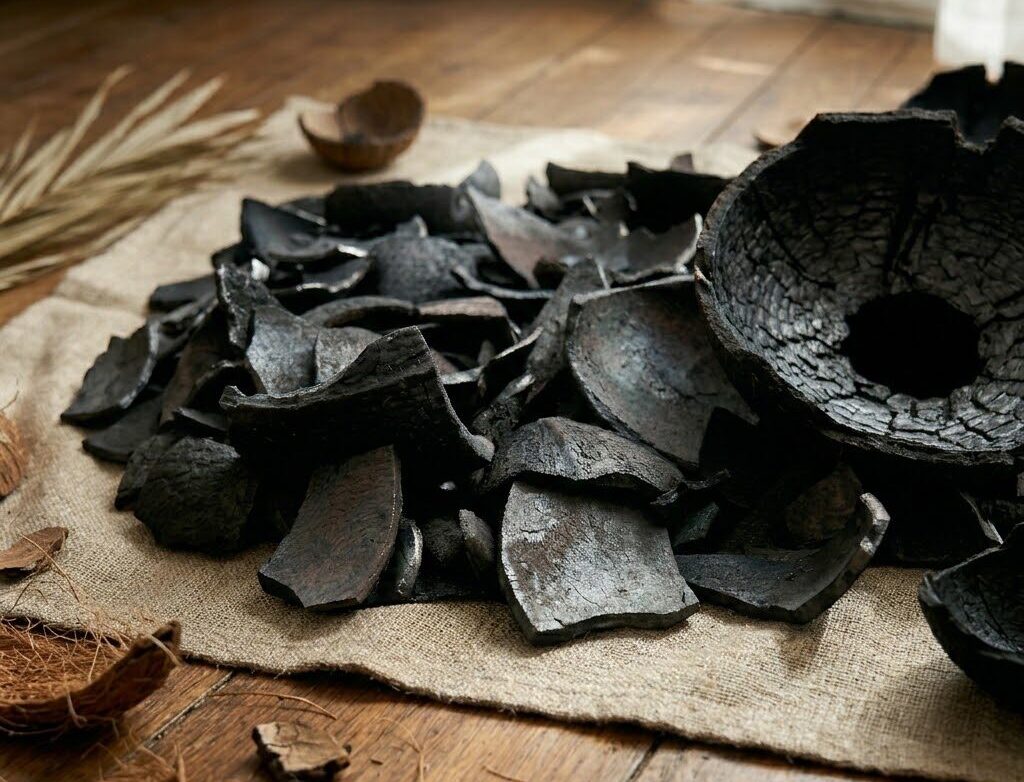
Visual and physical inspection
Before checking technical specifications, start with direct visual and physical observation. Simple external signs often reveal charcoal quality immediately.
- Uniform hexagonal or square shape with consistent size
- Dense structure – produces a clear metallic sound when two pieces are struck together
- Clean black color without excessive white ash coating or cracks
- No strong chemical smell
Moisture content test
Target: ≤ 5%. Excess moisture reduces calorific value and creates excessive smoke during ignition. Simple field methods or laboratory certificates (e.g., Vinacontrol) are recommended.
Ash content and fixed carbon
High-quality sawdust charcoal typically has ash ≤ 3% and high fixed carbon. Low ash means less cleaning and cleaner flavor. Request lab reports for fixed carbon, volatile matter, and ash.
How to Check High-Quality Charcoal
Once you have completed the basic tests above, use these additional performance checks to confirm overall quality before placing a large order.
Burn performance test
Light a small sample of each charcoal under the same conditions and observe carefully:
- Ignition time (how quickly it reaches cooking temperature)
- Smoke level after the initial 5–10 minutes
- Ability to maintain steady, usable heat for several hours
- Presence of sparks, excessive crackling, or unpleasant odor
High-quality charcoal should ignite reasonably fast, produce minimal smoke after the lighting phase, hold steady heat, and burn cleanly without excessive sparks.
B2B checklist before bulk order
Once sample testing meets your requirements, the final step before placing a large order is to confirm key commercial and technical factors. The checklist below helps reduce risk for B2B buyers.
- Request official moisture and ash certificates
- Check packaging standards and labeling consistency
- Always test samples from the actual production batch
- Confirm that the supplier can maintain the same specifications across multiple containers
Reliable suppliers provide transparent documentation and consistent quality across multiple containers and over time.
Common Mistakes When Choosing Charcoal for BBQ
Avoid these mistakes and you will significantly improve both cooking results and operating costs:
- Buying purely by price per kilogram instead of cost per hour of usable heat
- Ignoring moisture and ash specifications
- Choosing the wrong type for session length (coconut for long restaurant service, or low-density sawdust for quick searing)
- Skipping sample testing before large orders
- Using poor lighting technique that creates excess smoke even with good charcoal
Why Many Professional Buyers Prefer Sawdust Charcoal Briquettes for BBQ
For high-volume commercial BBQ operations, Vietnamese sawdust charcoal briquettes deliver an unmatched balance of calorific power, long burn stability, and competitive ocean freight positioning.
High-quality Vietnamese sawdust charcoal, in particular, has become a preferred choice for importers in Korea, Japan, the Middle East, and Europe thanks to stable specifications and competitive logistics.
Conclusion
The right charcoal depends entirely on your kitchen’s operational needs: sawdust briquettes deliver maximum cost-per-hour efficiency for extended restaurant services, while coconut charcoal excels in rapid, high-heat searing.
Smart procurement managers look beyond price per kilo always verifying lab specs (moisture, ash, fixed carbon) and testing sample batches. Partner with a certified Vietnamese exporter to secure consistent, high-grade fuel for your operations.
Ready to upgrade your grilling performance?
Contact Lamian Charcoal for premium sawdust charcoal briquettes and other high-quality charcoal from Vietnam. We offer competitive wholesale pricing, flexible OEM packaging, free sample testing support, and consistent quality trusted by importers worldwide.
- Email: contact.charcoal@lamianglobal.com
- WhatsApp / Hotline: +84 812 036 789
- Website: https://lamiancharcoal.com/