Choosing between Mangrove Charcoal vs Mixed Hardwood Charcoal can significantly impact your grilling results, costs, and cooking consistency. This guide breaks down the key differences to help you select the ideal fuel for professional or everyday use.
What Is Mangrove Charcoal?
Mangrove Charcoal is produced exclusively from sustainably managed plantation forests in Southern Vietnam. Thanks to its dense hardwood structure, this premium fuel yields intense heat reaching up to 900°C, an extended burn time of 3.5–5 hours, and ultra-low white ash (2–3%).
With high fixed carbon (75–80%+) and calorific power (7,000–7,500 kcal/kg), it is the premier choice for high-end steakhouses and BBQ restaurants requiring consistent, smokeless heat.
Lamian Charcoal exports this certified, sustainable product to major global markets, including Japan, South Korea, the Middle East (UAE), Europe, Australia, and North America. Available in various lump and stick sizes, we provide flexible packaging solutions from durable PP bags and eco-friendly kraft paper to custom OEM printed cartons. Every shipment undergoes rigorous quality control to guarantee batch-to-batch consistency and full export compliance.
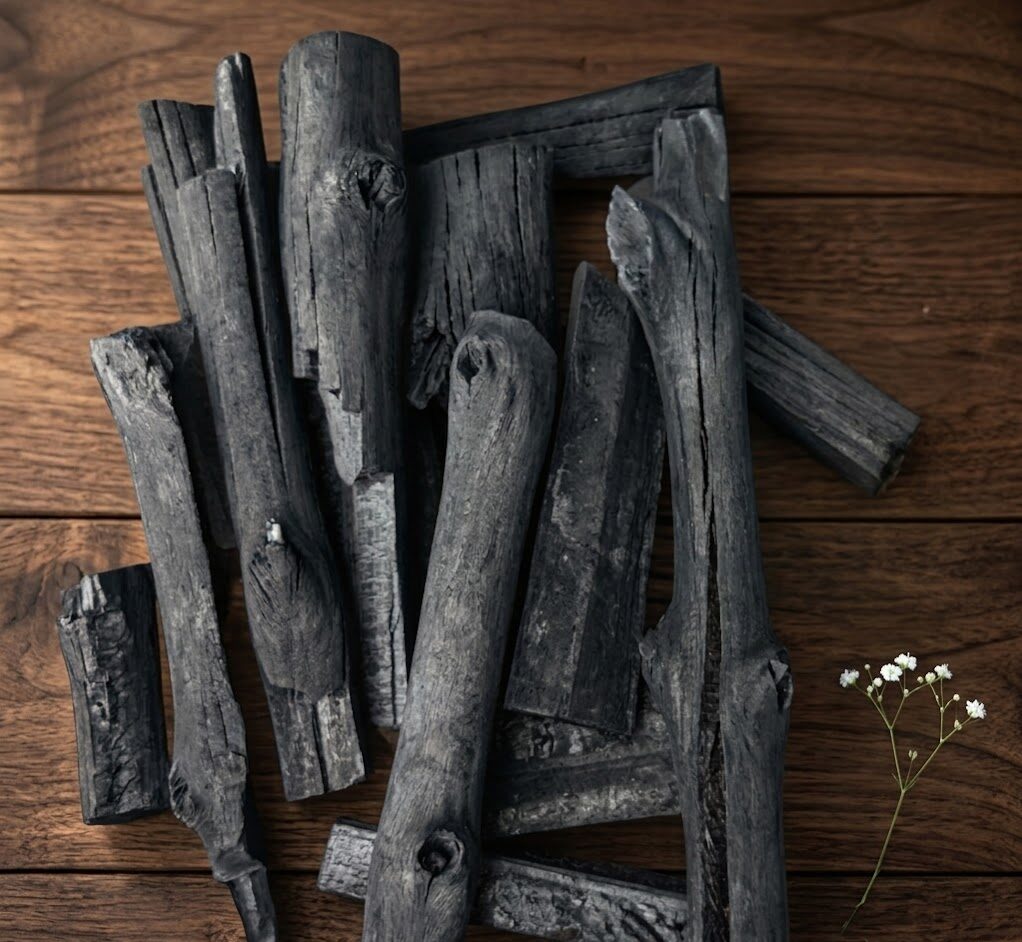
What Is Mixed Hardwood Charcoal?
Mixed Hardwood Charcoal is crafted from a selected blend of tropical hardwoods and offcuts from premium Mangrove and Eucalyptus production. This eco-efficient approach maximizes raw material utilization while delivering a budget-friendly fuel solution for commercial kitchens.
It offers reliable cooking energy (6,200–6,800 kcal/kg), stable burn duration (2.5–3.5 hours), and controlled ash content (3–5%), making it the ideal choice for high-volume restaurants and wholesale operations looking to optimize their cost-per-hour.
The product is carefully sorted, packed in durable PP woven bags, and manufactured under strict quality control to meet international export standards. Various lump sizes are available to suit different market requirements.
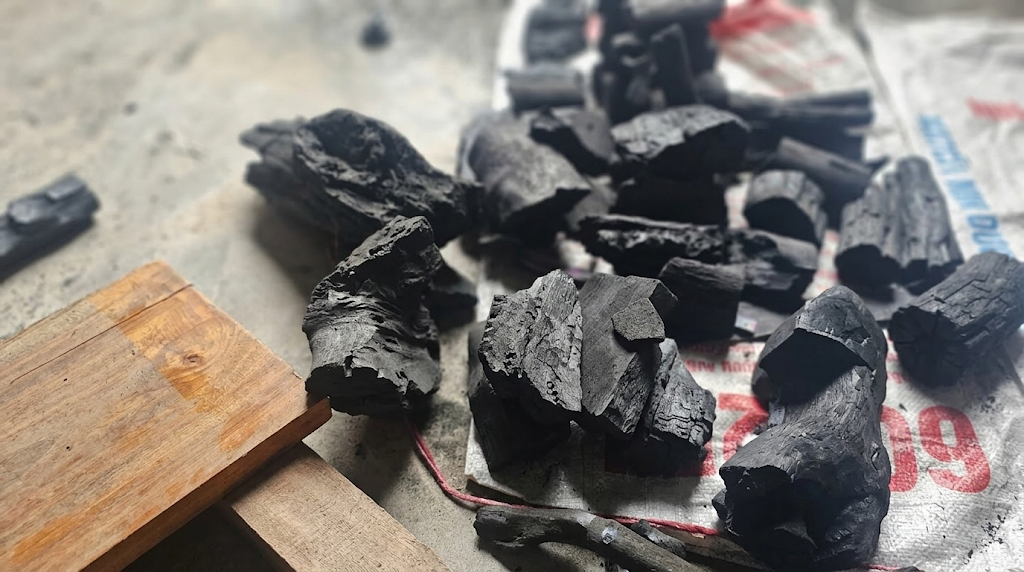
Head-to-Head Comparison: Mangrove Charcoal vs Mixed Hardwood Charcoal
The table below compares Mangrove Charcoal and Mixed Charcoal across key performance factors to help you quickly identify the better option for your needs.
| Criteria | Mangrove Charcoal | Mixed Charcoal | Advantage |
|
Density & Structure
|
Very high, dense hardwood | Medium to high (varies by blend) | Mangrove |
|
Burning Temperature
|
Stable up to 900°C | Reliable and consistent | Mangrove |
| Burn Time | Extended, long-lasting | Stable but generally shorter | Mangrove |
|
Heat Output & Stability
|
Exceptional and highly stable | Reliable and consistent | Mangrove |
| Ash Content | Very low | Low to moderate | Mangrove |
|
Moisture Content
|
Low | Controlled | Mangrove |
| Flavor Profile | Clean and neutral | Natural wood character |
Depends on need
|
| Ease of Use | Professional-grade consistency | Practical and versatile | Mixed (value) |
| Price | Premium | Cost-effective | Mixed |
| Best For | Professional kitchens, long cooks, clean results | Everyday commercial use, value-focused operations | — |
Mangrove Charcoal leads in heat intensity, burn duration, temperature stability, and cleanliness. Mixed Charcoal wins on affordability and efficient material utilization while still delivering dependable performance.
Pros and Cons: Mangrove Charcoal vs Mixed Hardwood Charcoal
Understanding the strengths and limitations of each type will help you choose the charcoal that best fits your cooking style and budget.
Mangrove Charcoal Pros
- Exceptional heat output and stable temperature up to 900°C.
- Extended burning time with low ash and low moisture.
- Clean, efficient performance ideal for professional BBQ.
- Consistent quality suitable for export markets worldwide.
Mangrove Charcoal Cons
- Higher price point
- Premium product best suited for users who prioritize performance.
Mixed Charcoal Pros
- Cost-effective solution that maximizes material utilization.
- Stable combustion and reliable heat output.
- Suitable for restaurants, wholesalers, retailers, and industrial users.
- Good balance of quality and affordability.
Mixed Charcoal Cons
- Performance is solid but generally does not match the peak intensity and longevity of premium mangrove charcoal.
Which One Should You Choose?
Choose Mangrove Charcoal if you run a BBQ restaurant, need long and stable high-heat sessions, prioritize clean results with minimal ash, or require professional-grade consistency for premium meats, seafood, or kamado-style cooking.
Choose Mixed Charcoal if you need a reliable, economical fuel for everyday commercial grilling, bulk supply, or operations where cost efficiency matters without sacrificing acceptable performance.
Many professionals combine both – using Mangrove Charcoal as the primary fuel for heat stability and Mixed Charcoal for volume or specific stages – to optimize performance and cost.
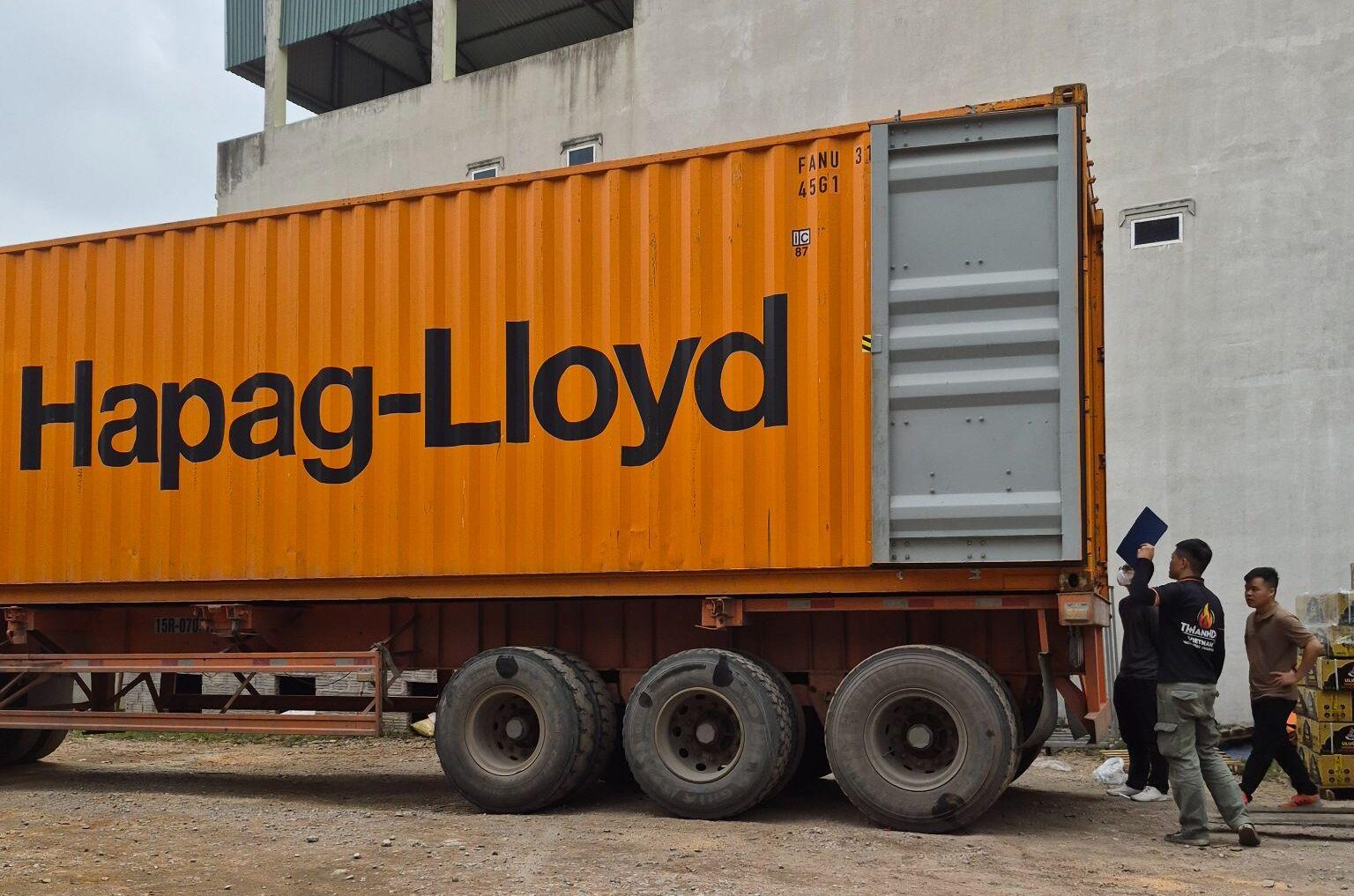
How to Identify High-Quality Charcoal
Here are the practical signs of high-quality charcoal that professional buyers and experienced grillers look for:
- Pieces should feel dry, heavy, and dense
- High-quality charcoal produces a sharp metallic sound when tapped
- Look for uniform sizing and minimal dust or fines
- Prefer suppliers who maintain strict quality control and provide consistent specifications
- For Mangrove Charcoal, prioritize products from reputable Southern Vietnam sources with transparent export standards
Conclusion
In the comparison of Mangrove Charcoal vs Mixed Hardwood Charcoal, Mangrove Charcoal stands out with superior heat (up to 900°C), longer burn time, low ash, and professional stability – ideal for high-performance BBQ. Mixed Charcoal offers a cost-effective alternative with reliable performance.
Choose based on your needs: Maximum consistency and clean results with Mangrove, or balanced quality and value with Mixed Charcoal. Source from trusted producers for the best results.
Ready to upgrade your grilling performance?
Contact Lamian Charcoal for premium Mangrove and Mixed Charcoal from Southern Vietnam. Competitive wholesale pricing, flexible OEM packaging, and consistent quality trusted worldwide.
- Email: contact.charcoal@lamianglobal.com
- WhatsApp / Hotline: +84 812 036 789
- Website: https://lamiancharcoal.com/