

In the world of high-end F&B in 2026, the difference between a “good” dish and a “masterpiece” often isn’t the seasoning—it’s the heat source. In recent years, a quiet revolution has been taking place in the kitchens of Michelin-starred restaurants: the rise of Sawdust Charcoal and specialized bio-fuel alternatives.
1. Decoding the Global Demand for Sawdust Charcoal
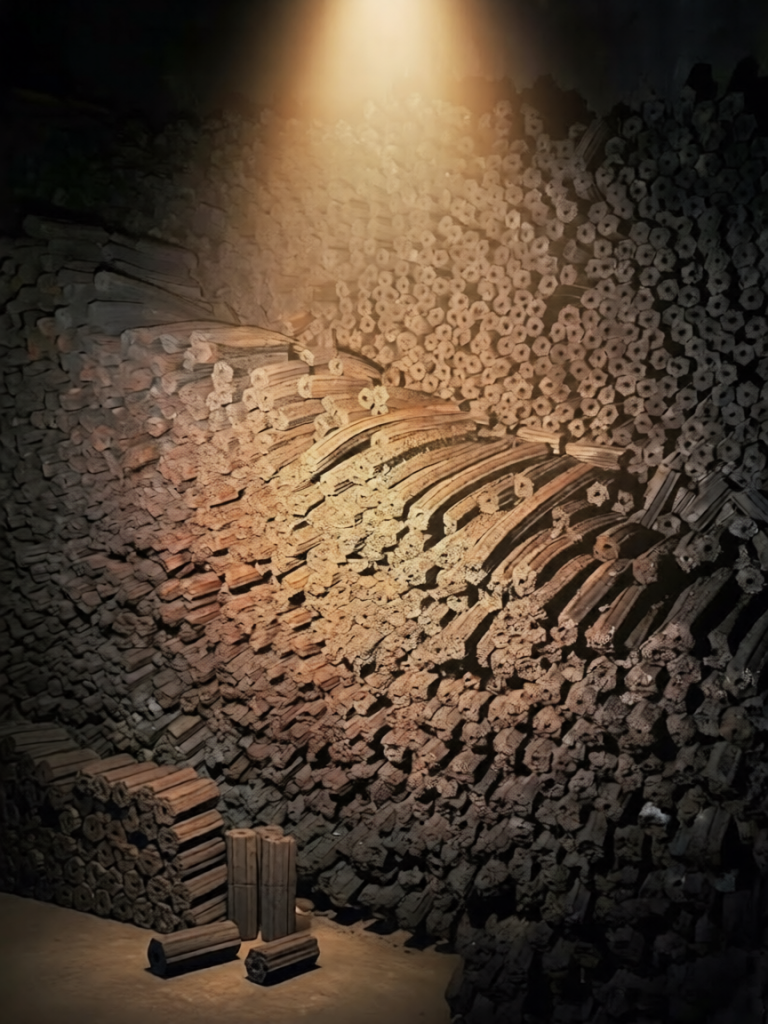
Unlike traditional lump charcoal, which often suffers from inconsistent shapes and erratic burning temperatures, Sawdust Charcoal is engineered using modern hydraulic pressing technology. This provides three technical advantages that any Executive Chef demands:
-
Hexagonal Core Structure: This specific geometry allows for perfect airflow, maintaining maximum yet stable heat (often exceeding 800°C) without the “hot spots” that ruin delicate proteins.
-
Extended Burning Time: It lasts up to three times longer than standard wood charcoal. For large-scale restaurant chains, this translates directly into significant operational cost savings and less downtime for refueling.
-
The “Triple Zero” Standard: Zero Smoke, Zero Odor, and Zero Sparks. This is critical for indoor BBQ systems (Yakiniku/K-BBQ) to protect expensive ventilation systems and ensure an untainted dining atmosphere.
2. The Art of Charcoal Selection: Mangrove vs. Lychee
A thermal energy expert knows that no single charcoal fits every culinary need. Every premium grade of clean product has its own “soul”:
-
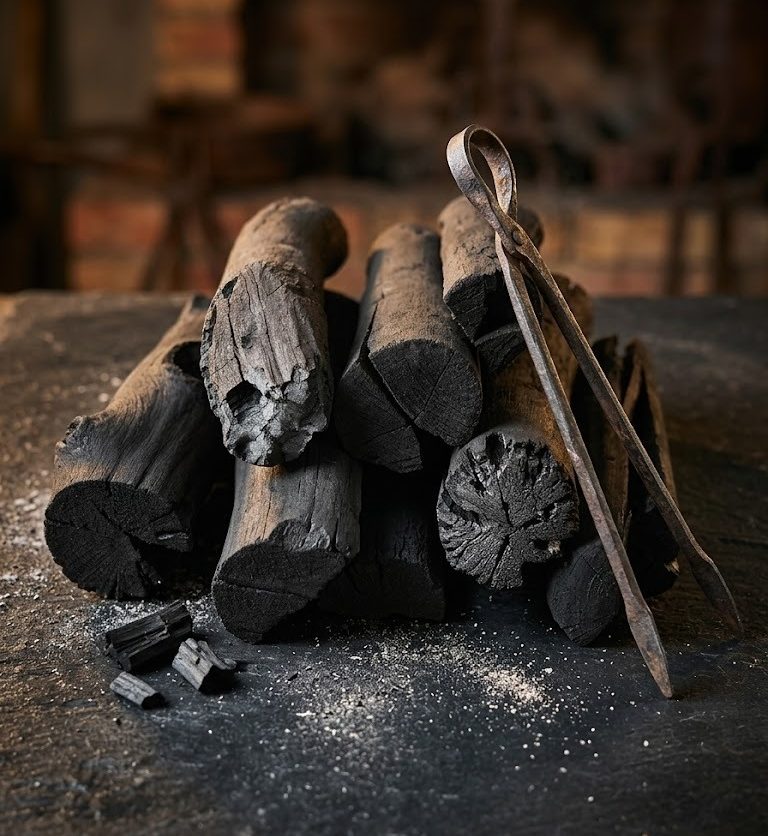
Mangrove Charcoal: Known for its density and “deep heat.” This is the gold standard for slow-cooking or searing thick cuts of meat. Its ability to hold a steady, high temperature ensures that meat is cooked evenly to the bone without charring the exterior too quickly.
-
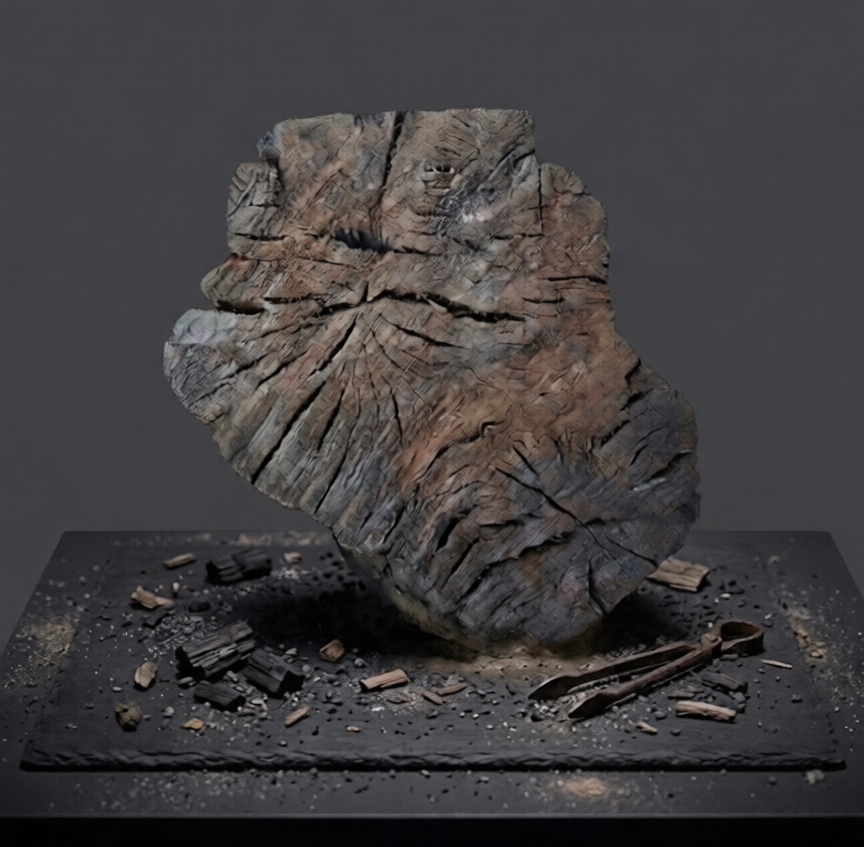
Lychee Charcoal: The favorite of artisanal chefs. When ignited, Lychee wood releases a subtle, fruity botanical aroma. It acts as a “final seasoning,” making it the perfect companion for premium seafood or poultry where a delicate smoke profile is required.
3. The “Clean Charcoal” Movement and Sourcing Integrity
In 2026, the concept of “Clean Charcoal” goes beyond being smokeless. it encompasses transparency in wood sourcing and sustainable manufacturing. Major exporters, most notably Lamian Global, are spearheading this movement by standardizing the line.
By partnering with suppliers that implement rigorous Quality Control (QC) processes—checking for fixed carbon content (above 85%) and low ash residue (under 3%)—restaurants avoid the risks associated with chemical additives. Cheap, low-quality charcoal often hides tar and sulfur, which can pose serious health risks and alter the food’s natural flavor.
4. Optimizing Operational Costs with Smart Energy
A common misconception among restaurateurs is that premium charcoal is an unnecessary expense. However, a simple economic audit reveals:
-
Traditional Charcoal: Low upfront cost, but high consumption rates, high labor costs for constant refueling, and increased maintenance for soot-clogged exhaust systems.
-
High-Performance Charcoal (Sawdust/Mangrove): Higher initial investment, but superior thermal efficiency, reduced equipment wear, and a vastly
 improved customer experience.
 improved customer experience.
Industry leaders like Lamian Global have proven that investing in fuel quality is the shortest path to sustainable profitability.