
Learn the professional 7-step process of importing charcoal. Discover premium BBQ charcoal lines like Binchotan, sawdust briquettes, mangrove, lychee charcoal… and how to optimize your import costs with Lamian Global.
Are you looking to step into the lucrative charcoal import market but feeling overwhelmed by the complex procedures? You are not alone. The global charcoal trade is experiencing tremendous growth, driven especially by the massive demand from high-end restaurant chains in Japan and South Korea.
But how do you choose the right type of charcoal, identify the correct HS code, prepare the necessary documents, and accurately calculate the costs for a container? This article will give you the complete picture of the charcoal import process from Vietnam, backed by real numbers, helping you maximize your profit margins.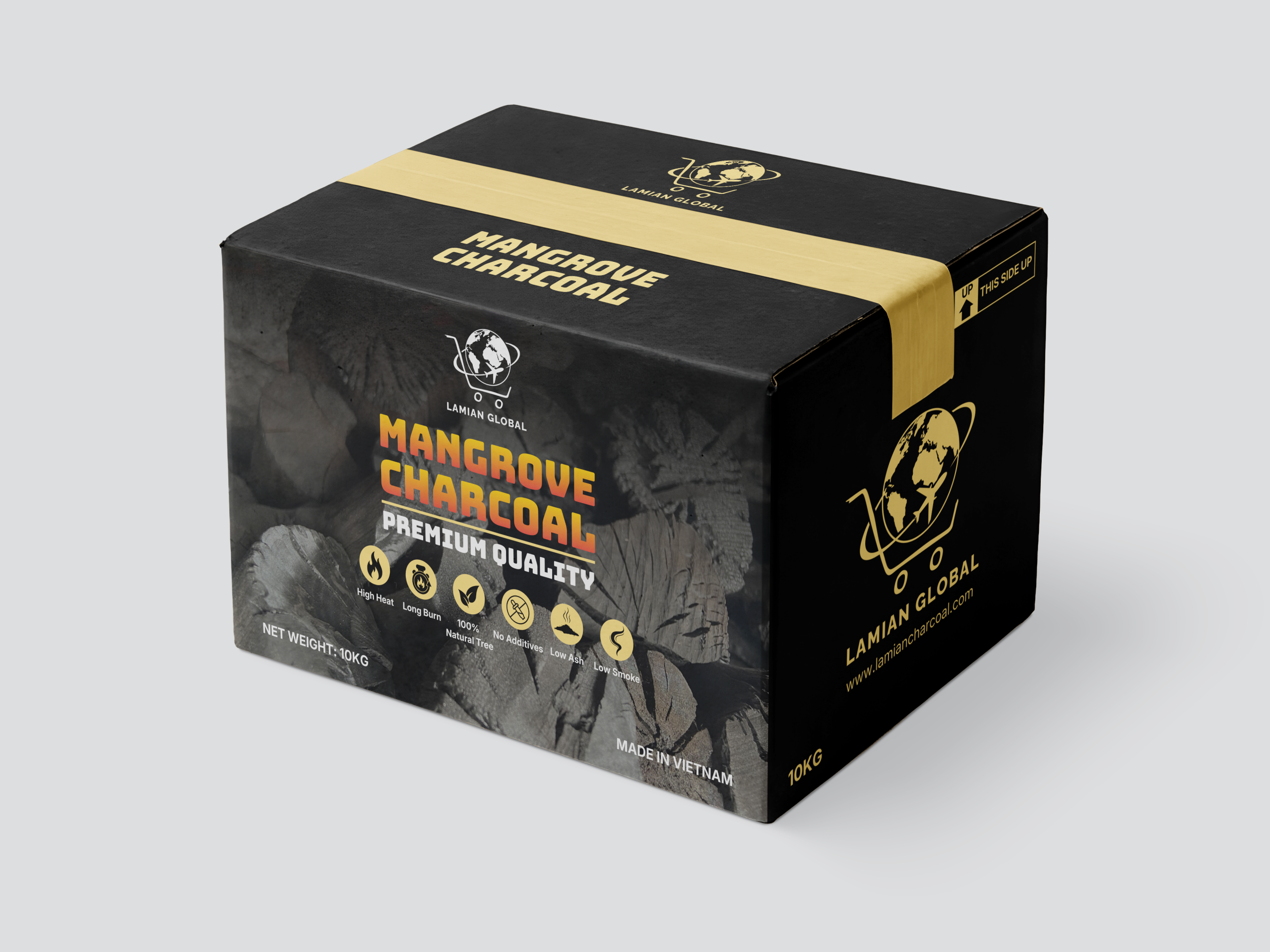
1. Why is the Demand for Charcoal Imports Booming?
2026 continues to mark the strong expansion of global BBQ and restaurant culture. The most demanding markets, such as Japan and South Korea, are willing to pay a premium for grilling charcoal that meets strict health, heat output, and environmental standards (like JAS and KFDA).
Vietnam, with its abundant raw materials and traditional charcoal-making techniques combined with modern technology, is the number one destination for importers seeking high-quality, smokeless, and odorless charcoal sources.
2. Choosing the Right Charcoal to Conquer the Market
Before importing, you need to accurately identify your target market segment. Below are the flagship charcoal types most sought after by the market, currently produced and exported in large volumes by Lamian Global:
-
Binchotan (White Charcoal): Known as the “king of charcoals” with a carbon content of up to 90-95%, incredibly long burn time (5-7 hours), completely smokeless, and odorless. This is the mandatory standard for high-end Yakitori and BBQ restaurants in Japan.
-
Sawdust Briquettes (Sawdust Charcoal): The perfect and cost-effective choice for Korean BBQ restaurant chains. Extruded sawdust charcoal maintains stable heat, burns for 4-6 hours, and does not spark.
-
Mangrove Charcoal: Stands out for its quick ignition and consistent heat. Mangrove charcoal is immensely popular in the Middle East market as well as traditional-style BBQ restaurants.
-
Lychee Charcoal: A specialty charcoal that provides a distinctive, gentle aroma that infuses into the meat. Highly sought after by gourmet chefs to create a unique twist in flavor.
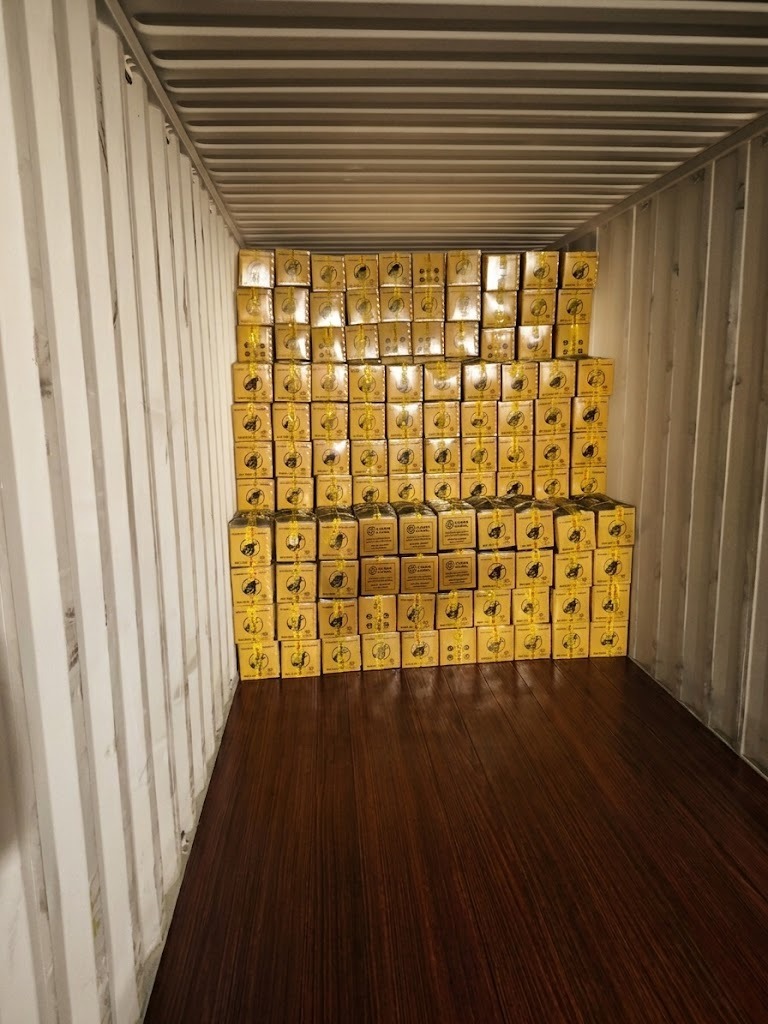
Note: A standard 40HQ container typically holds about 20-28 tons of charcoal depending on the type and packaging specifications.
3. HS Codes in Charcoal Import
Using the correct HS code is crucial for fast customs clearance and enjoying the best duty rates.
-
4402.90: Wood charcoal (including natural hardwood charcoal like mangrove, lychee, Binchotan, and sawdust briquettes). The good news is that most major markets like Japan, South Korea, the EU, and the US apply a 0% duty rate for this code.
-
4402.10: Specifically for bamboo charcoal products.
4. The 7-Step Process to Import Charcoal from Lamian Global
Importing becomes easy and smooth when you partner with a supplier who understands the procedures. At Lamian Global, we support our clients through these 7 standard steps:
Step 1: Market Research: Identify your target product (e.g., Binchotan for Japanese restaurants, sawdust charcoal for Korean restaurants).
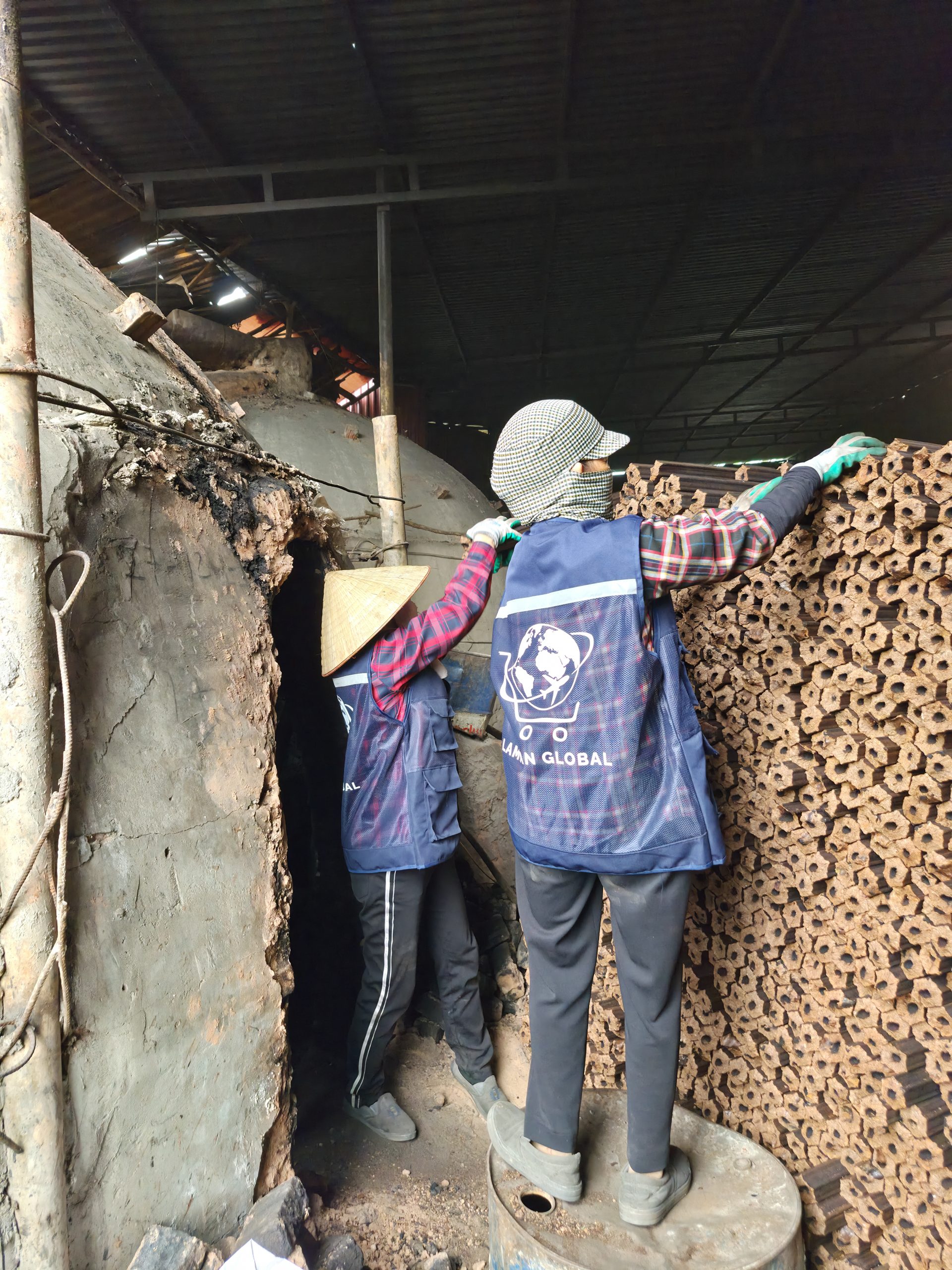
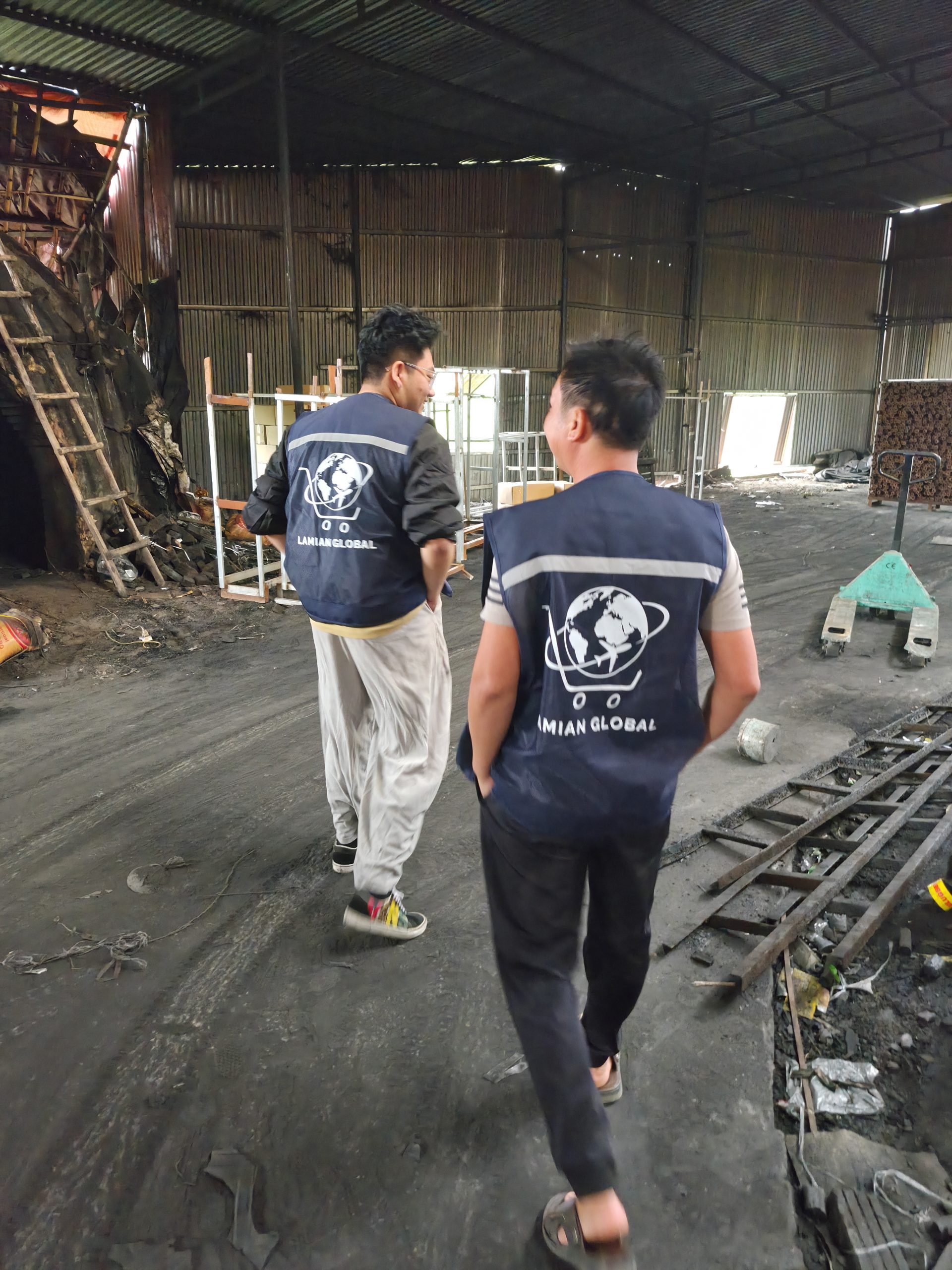
Step 2: Connect with a Direct Supplier: Work with a manufacturer rather than a middleman (trader) to get the best price. Request to see factory photos, quality control processes, and get physical samples before ordering.
Step 3: Quote Negotiation & Packaging: Agree on FOB/CIF terms, delivery time (usually 15-30 days), and payment methods. Notably, Lamian Global supports professional OEM packaging design and printing to international standards—shaping the class for distribution brands like “Firebrand BBQ Charcoal”.
Step 4: Prepare Export Documents: Lamian Global will provide a complete set of documents, including: Commercial Invoice, Packing List, Bill of Lading (B/L), Certificate of Origin (C/O), Phytosanitary Certificate, Fumigation Certificate, and test reports (SGS/Vinacontrol).
Step 5: Sea Freight: Book the container. The shipping route from Vietnam to Japan/Korea is highly convenient, taking only 5-7 days.
Step 6: Customs Clearance: Use the valid document set for customs procedures. Ensure the fumigation and phytosanitary certificates are always available to avoid storage risks.
Step 7: Receive & Distribute: Check the moisture, packaging quality, and deliver the products to your restaurant chains.
5. Cost Analysis & Profit Margins
For a 40HQ container to the Japan/Korea market, sea freight ranges around $1,500 – $2,500. Adding customs, local transport ($500 – $900), and 0% import duty, the total landed cost per kg of charcoal is usually very competitive ($0.83 – $1.05/kg).
Meanwhile, the wholesale price for restaurants in these two countries ranges from $1.50 – $3.00/kg (premium Binchotan alone can reach $5 – $15/kg). Profit margins of 40% – 200% are completely achievable if you maintain a stable and high-quality supply.
6. 5 Fatal Mistakes Buyers Often Make When Importing Charcoal
-
Skipping the sample test: Don’t hesitate to spend a few dozen dollars to receive direct samples to test burn time and ash content. This is how you protect your tens-of-thousands-of-dollars investment.
-
Wrong HS Code declaration: This can lead to shipments being held for inspection and incurring additional taxes.
-
Lacking fumigation/phytosanitary certificates: A mandatory requirement for wood-based products. Without these documents, your container will be “detained” at the destination port with massive penalty fees.
-
Ignoring moisture limits: Charcoal with moisture above 7% is prone to mold during long sea voyages and will have a reduced burn performance.
-
Buying through a middleman (Trader): This causes you to lose an extra 15-30% in markups and leaves you completely passive regarding custom brand packaging or resolving quality issues.
Are You Ready to Breakthrough with Lamian Global?
The difference between a failed import deal and a consistently profitable supply chain lies in choosing the right partner. Lamian Global is proud to be a direct manufacturer and exporter of premium BBQ charcoal in Vietnam.
From primary Binchotan and high-tech sawdust charcoal to traditional mangrove and lychee charcoal, we ensure every shipment meets the most uniform quality standards. With robust production capacity, expertise in handling complex customs documents, and the ability to flawlessly process private label packaging, Lamian Global is committed to providing you with an absolute competitive edge in the international market.
Contact Lamian Global today to receive a detailed quote, request free samples, and start your highly profitable charcoal import journey!